Philippine mythical creatures are a cornerstone of Filipino heritage, blending indigenous folklore with deep cultural values. For families and learners exploring the rich tapestry of the archipelago, these legends offer more than just scares; they provide a window into a world where nature and the supernatural coexist. Whether you are in the Philippines or living in Ontario, sharing these stories is a powerful way for parents to connect the younger generation with their roots.
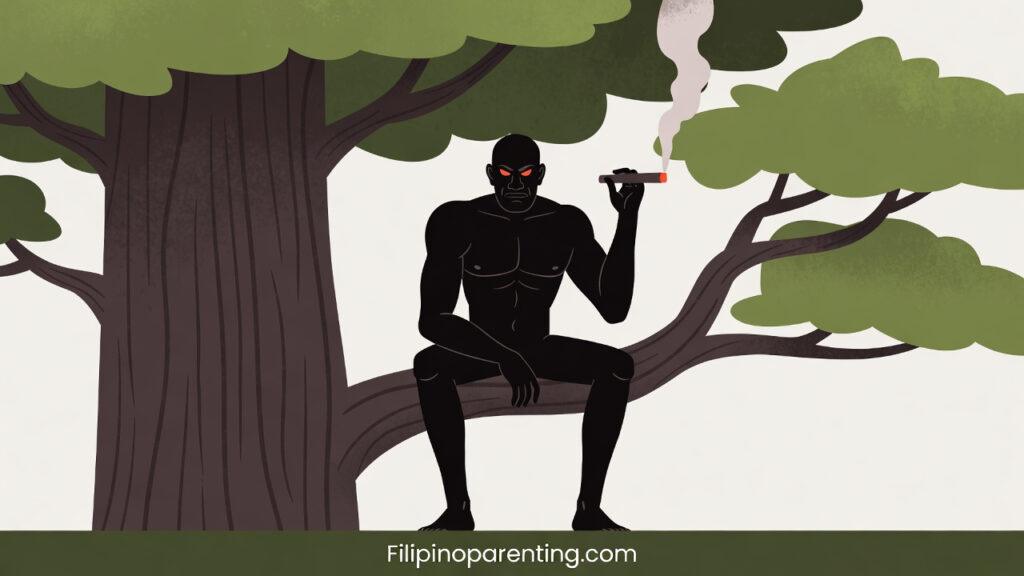
Table of Contents
Introduction to Philippine Mythical Creatures
Philippine mythology is rich with stories passed down through generations, blending indigenous beliefs, nature reverence, and lessons for daily life. These tales feature diverse beings—from playful spirits to fearsome monsters—that reflect the archipelago’s cultural diversity across more than 140 ethnic groups. Many creatures embody respect for the environment, caution against harm, and the thin line between the visible and invisible worlds.
In our family, we often share these stories during cozy evenings or gatherings to keep our heritage alive. “Ang mga kuwento ng mga engkanto ay nagpapaalala sa atin na igalang ang kalikasan,” as many elders say, meaning these tales remind us to respect nature. Whether you’re teaching learners Tagalog vocabulary or simply curious about Filipino folklore, these myths offer endless wonder and wisdom.
Popular Philippine Mythical Creatures: Kapre, Tikbalang, and Tiyanak
One of the most iconic figures is the Kapre, a tall, hairy giant who dwells in large trees like the balete or acacia. Described as dark-skinned with glowing red eyes, the Kapre smokes an endless cigar and sometimes plays harmless pranks on humans, such as leading them in circles in the forest. “Kapag nawawala ka sa gubat, baka may kapre na naglalaro sa iyo,” which translates to “If you get lost in the woods, maybe a kapre is playing with you.” To counter this, turning your shirt inside out is said to break the spell.
Another well-known being is the Tikbalang, a half-human, half-horse creature with a horse’s head and hooves but a human body. It lurks in mountains and forests, tricking travelers by making them lose their way. Elders advise, “Kung naliligaw ka, baligtarin ang damit mo,” or “If you’re lost, turn your clothes inside out.” This mischievous spirit teaches respect for nature’s boundaries. Understanding these beings is as essential as knowing animals in English and Tagalog for a complete cultural education.
The Tiyanak is a deceptive creature that mimics the cry of a baby to lure kind-hearted people deeper into the jungle. Once approached, it reveals its true form—a goblin-like being—and attacks. “Huwag kang lalapit sa umiiyak na sanggol sa gubat, baka tiyanak iyon,” meaning “Don’t approach a crying baby in the forest; it might be a tiyanak.” This story warns against impulsiveness and highlights the dangers of the unknown.
Fearsome Beings and Shape-Shifters: Aswang, Manananggal, and Sigbin
The Aswang serves as an umbrella term for various shape-shifting evil entities, including vampires, ghouls, and viscera suckers. Often appearing as ordinary humans by day—frequently beautiful women with long hair to hide bloodshot eyes—they prey on the vulnerable at night, especially pregnant women. “Ang aswang ay natatakot sa bawang at asin,” or “The aswang fears garlic and salt.” Many families still keep salt nearby, similar to how they maintain health vocabulary in Tagalog to describe traditional protections.
A specific type, the Manananggal, detaches its upper torso at night, sprouting bat-like wings to fly and feed on unborn fetuses using a long proboscis-like tongue. The lower half remains vulnerable; sprinkling salt, garlic, or ash on it prevents reattachment before sunrise. “Kung may buntis sa bahay, maglagay ng bawang sa bintana,” translates to “If there’s a pregnant woman in the house, place garlic by the window.” This creature underscores community vigilance and traditional remedies.
The Sigbin resembles a hornless goat with huge ears and a flexible tail, walking backward while sucking blood from shadows. Some legends claim certain families keep them as pets for protection, but a starved Sigbin turns dangerous. “Ang sigbin ay lumalabas sa gabi upang sumipsip ng dugo,” meaning “The sigbin comes out at night to suck blood.”
Nature Spirits and Guardians: Duwende, Diwata, and Multo
Smaller beings like the Duwende (or Nuno sa Punso) inhabit anthills, termite mounds, or old trees. These dwarf-like spirits can be helpful or harmful depending on how they’re treated. Saying “Tabi tabi po” when passing their homes shows respect and avoids curses like swelling or illness. “Kung aabalahin mo ang duwende, baka magalit sila,” or “If you disturb the duwende, they might get angry.” Such spirits are part of the beautiful Tagalog words that describe our unseen world.
The Diwata are enchanting guardian spirits of forests and mountains, often depicted as beautiful goddesses or fairies. They can bless or curse based on human actions toward nature. “Ang diwata ay tagapagtanggol ng mga puno at bundok,” meaning “The diwata are protectors of trees and mountains.” Stories of them mating with humans explain certain birth traits in folklore, much like how inspirational Tagalog strength is found in our legends.
Multo, or ghosts, represent spirits of the deceased that may appear as white ladies or other forms, often tied to unresolved pasts. “Ang multo ay kaluluwa ng namatay na tao,” which means “The multo is the soul of a dead person.”
The Mangkukulam refers to practitioners of sorcery or witchcraft, using spells for harm or healing. Unlike Western witches, they vary by ethnic group and often employ sympathetic magic. “Kung may sakit na walang dahilan, baka kulam iyon,” or “If there’s an unexplained illness, it might be kulam.” Knowing these terms is helpful when discussing crime vocabulary in Tagalog, as some myths involve trickery.
Cultural Significance: Why Philippine Mythical Creatures Still Matter Today
These creatures are not mere scary tales; they encode values like environmental stewardship, community protection, and moral lessons. “Tabi tabi po” remains a common phrase when hiking or entering grassy areas, showing ongoing respect. In places like Canada, families incorporate them into bedtime stories to connect with their roots while adapting to new surroundings.
Many myths blend pre-colonial animism with later influences, such as Spanish Catholicism, which sometimes portrayed spirits as evil. Yet, they persist in rural life, horror films, and even modern media like graphic novels and Netflix specials. “Ang mga alamat na ito ay nagpapanatili ng ating pagkakakilanlan bilang Pilipino,” meaning “These legends keep our identity as Filipinos alive.” For more on the creatures of the deep, you can explore sea animal names in Tagalog including the sirena.
Example Sentences: Tagalog and English Phrases About Mythical Creatures
Here are the 10 example sentences about mythical creatures.
- The kapre lives in big trees, kaya mag-ingat ka kapag nasa gubat ka. (The kapre lives in big trees, so be careful when you’re in the forest.)
- Ang tiyanak ay umiiyak like a baby para lokohin ang mga tao. (The tiyanak cries like a baby to deceive people.)
- If you hear strange noises at night, baka may aswang na naghahanap ng biktima. (If you hear strange noises at night, maybe an aswang is looking for a victim.)
- Manananggal separates her body, at lumilipad siya upang kainin ang sanggol. (Manananggal separates her body, and she flies to eat the fetus.)
- Tikbalang tricks travelers, kaya baligtarin ang iyong damit para makalabas sa gubat. (Tikbalang tricks travelers, so turn your clothes inside out to get out of the forest.)
- Duwende can be good or bad, depende sa kulay nila at kung iginagalang mo sila. (Duwende can be good or bad, depending on their color and if you respect them.)
- Sigbin walks backwards with its head between its legs, at sumisipsip ito ng dugo mula sa anino. (Sigbin walks backwards with its head between its legs, and it sucks blood from the shadow.)
- Diwata protects the mountains, kaya huwag kang magtatapon ng basura sa kalikasan. (Diwata protects the mountains, so don’t throw garbage in nature.)
- Multo appears as a white lady, lalo na sa mga lugar na may trahedya. (Multo appears as a white lady, especially in places with tragedy.)
- Mangkukulam uses magic for revenge, pero may albularyo na makakatulong laban dito. (Mangkukulam uses magic for revenge, but there is an albularyo who can help against it.)
FAQ: Common Questions About Philippine Mythical Creatures
What is the most famous Philippine mythical creature? The aswang and manananggal often top the list due to their popularity in stories and media. “Sila ang pinakakilala dahil sa kanilang kakayahang magbago ng anyo.”
Are these creatures real or just stories? They are part of oral tradition and folklore, used to teach lessons. “Hindi sila totoo, pero ang mga aral ay tunay at kapaki-pakinabang.”
How do Filipinos protect against these beings? Common methods include garlic, salt, prayers, or saying “tabi tabi po.” “Gumagamit kami ng bawang at dasal upang maprotektahan ang pamilya.”
Why do these myths persist today? They preserve cultural identity and values like respect for nature. “Pinapanatili nila ang ating ugat kahit malayo tayo sa sariling bayan.”
Can learners improve their Tagalog through these stories? Yes, sharing bilingual versions builds vocabulary and pride. “Nakakatulong ito sa mga nag-aaral na matuto ng Tagalog habang nag-e-enjoy sa kuwento.”
What is a common phrase used with duwende or nuno? “Tabi tabi po” shows politeness when passing their homes. “Ito ay para hindi tayo sumpain ng mga espiritu.”
Conclusion: The Timeless Wisdom of Philippine Mythical Creatures
Philippine mythical creatures offer a captivating window into our ancestors’ worldview, where every tree, mountain, and shadow holds potential stories. From the towering Kapre to the deceptive Tiyanak, these Philippine mythical creatures remind us to tread lightly on the earth, value community, and cherish our heritage. “Sa bawat kuwento ay may aral na dala-dala para sa ating buhay ngayon.”
Integrating these Philippine mythical creatures into daily life strengthens bonds and keeps traditions vibrant, especially for those in new surroundings. These Philippine mythical creatures spark imagination, bilingual practice, and deep cultural appreciation. Whether for fun or education, exploring Philippine mythical creatures enriches the soul and connects generations. Organizations like the National Commission for Culture and the Arts work tirelessly to document these legends, ensuring that the roots of Philippine mythical creatures remain accessible to everyone.
Next time you hear an unexplained sound, remember the wisdom within these Philippine mythical creatures: respect the unseen and protect the vulnerable. According to historical records and resources shared by the Official Gazette of the Republic of the Philippines, our rich folklore involving Philippine mythical creatures is a treasure that continues to inspire us all. By revisiting these Philippine mythical creatures, we honor the preservation of our unique traditions.
Studying Philippine mythical creatures helps the younger generation understand the environmental stewardship and moral lessons embedded in our history. These Philippine mythical creatures are not just ghosts; they are cultural markers. As we share stories of Philippine mythical creatures, we ensure our identity remains strong. Whether it is the Tikbalang or the Manananggal, the legacy of Philippine mythical creatures continues to thrive in our hearts and minds.
日本の社会は、高度な技術において世界的に注目されています。特に、自動車産業では、日産などの大手企業が世界市場をリードしており、中古車やハイブリッド車など、さまざまな革新技術が導入しています。車両技術の進展により、環境への配慮が大きく向上し、消費者にとってより良い選択肢が提供されています。
バイクの所有は、自動車税といった日本特有の制度に密接に関連しており、日本の運転者は、これらの制度に従い、交通安全を確保しています。さらに、事故時の対応の普及が進んでおり、事故やトラブルの際に迅速に対応できるようになっています。これにより、日本国内では、安全性が提供され、社会的責任の問題にも積極的に取り組んでいます。
一方で、高齢化社会という重要な問題が日本において進行しています。高齢者の増加に伴い、医療分野での需要が急増し、介護士の不足が深刻な問題となっています。このため、医療職の求人が増加しており、さらに介護職の再教育の需要も高まっています。政府は、新しい介護システムを活用した支援策を導入し、障害者への支援を強化しています。
また、医療の分野では、医療機器が急速に進化し、健康管理に対する対応が向上しています。日本は、先進的な医療を提供し、特に心臓病治療において多くの治療法が導入されています。さらに、医師の専門性を高めるため、医療研修が重要視され、技術研修の充実が求められています。
社会的な課題に対して、日本のボランティア団体は積極的に取り組んでおり、福祉活動を推進しています。これにより、地域住民や高齢者に対する支援が強化され、社会貢献が日常的に行われています。災害支援活動も重要な役割を果たしており、特に日本では、台風などの自然災害時に、地域住民が迅速に対応し、避難所の設営が行われています。
さらに、情報技術が進展する中で、オンラインゲームなどの新たな娯楽の形態が広がり、健康管理への関心が高まっています。日本では、ジムの利用が増加し、健康維持に向けたライフスタイルが注目されています。また、サプリメントが重要な役割を果たし、健康的な食生活のためのアイテムが多く流通しています。
ファッションや美容においても、日本の市場は、常に新しいトレンドを追い求めています。衣類においては、ファッションデザイナーが注目され、特にフォーマルスタイルが人気です。美容業界では、メイクが進化し、エステなどのサービスも充実しています。ネイルアートやジェルネイルもトレンドとなり、ネイルサロンが活況を呈しています。
このように、現代日本は、課題とともに進化しており、文化が密接に関わり合っています。未来に向けて、持続可能な社会の実現に向けた取り組みが進んでおり、これらの挑戦を乗り越えるための準備が整いつつあります。
For hottest information you have to visit internet and on web I found this site as a best web site for most up-to-date updates.
日本の社会は、高度な技術において世界的に有名されています。特に、自動車産業では、日産などの大手企業が世界市場をリードしており、中古車やハイブリッド車など、さまざまな技術革新が導入しています。自動車技術の進展により、安全性が大きく向上し、消費者にとってより良いライフスタイルが提供されています。
バイクの所有は、車両保険といった日本特有の制度に密接に関連しており、日本のドライバーは、これらの制度に従い、車両の管理を確保しています。さらに、車両保険の普及が進んでおり、事故やトラブルの際に迅速に対応できるようになっています。これにより、日本国内では、信頼性が提供され、社会的責任の問題にも積極的に取り組んでいます。
一方で、少子高齢化という重要な問題が日本において進行しています。高齢者の増加に伴い、医療分野での需要が急増し、医療スタッフの不足が深刻な問題となっています。このため、看護師求人が増加しており、さらに介護職の再教育の需要も高まっています。政府は、介護ロボットを活用した支援策を導入し、高齢者への支援を強化しています。
また、健康の分野では、医療機器が急速に進化し、健康管理に対する対応が向上しています。日本は、先進的な医療を提供し、特に高齢者医療において多くの革新が導入されています。さらに、看護師の専門性を高めるため、医療資格取得が重要視され、技術研修の充実が求められています。
社会的な課題に対して、日本の社会貢献活動は積極的に取り組んでおり、地域活性化を推進しています。これにより、地域住民や障害者に対する支援が強化され、寄付活動が日常的に行われています。地域支援活動も重要な役割を果たしており、特に日本では、台風などの自然災害時に、支援団体が迅速に対応し、物資提供が行われています。
さらに、情報技術が進展する中で、オンラインゲームなどの新たな娯楽の形態が広がり、ダイエットへの関心が高まっています。日本では、家庭用トレーニングの利用が増加し、体力向上に向けたライフスタイルが注目されています。また、サプリメントが重要な役割を果たし、ダイエットのためのアイテムが多く流通しています。
ファッションや美容においても、日本は、常に新しいトレンドを追い求めています。アクセサリーにおいては、トレンドアイテムが注目され、特にフォーマルスタイルが人気です。美容業界では、スキンケアが進化し、エステなどのサービスも充実しています。ネイルアートやジェルネイルもトレンドとなり、ネイルスクールが活況を呈しています。
このように、現代日本は、革新とともに進化しており、テクノロジーが密接に関わり合っています。未来に向けて、持続可能な社会の実現に向けた取り組みが進んでおり、これらの挑戦を乗り越えるための準備が整いつつあります。
日本は、最先端のテクノロジーにおいて世界的にリーダーされています。特に、自動車産業では、日産などの大手企業が世界市場をリードしており、中古車やハイブリッド車など、さまざまな環境に配慮した技術が進化しています。自動車産業の進展により、安全性が大きく向上し、消費者にとってより良い移動手段が提供されています。
バイクの所有は、車検といった日本特有の制度に密接に関連しており、日本の交通システムは、これらの制度に従い、交通安全を確保しています。さらに、事故時の対応の普及が進んでおり、事故やトラブルの際に迅速に対応できるようになっています。これにより、国内では、安全性が提供され、社会的責任の問題にも積極的に取り組んでいます。
一方で、少子高齢化という重要な問題が日本において進行しています。高齢者の増加に伴い、介護分野での需要が急増し、看護師の不足が深刻な問題となっています。このため、介護職の募集が増加しており、さらに介護職の再教育の需要も高まっています。政府は、介護ロボットを活用した支援策を導入し、患者への支援を強化しています。
また、医療の分野では、治療法が急速に進化し、疾病に対する対応が向上しています。日本は、治療の最前線を提供し、特に高齢者医療において多くの治療法が導入されています。さらに、看護師の専門性を高めるため、医療研修が重要視され、技術研修の充実が求められています。
社会的な課題に対して、日本のNPOは積極的に取り組んでおり、地域活性化を推進しています。これにより、地域住民や子どもに対する支援が強化され、ボランティア活動が日常的に行われています。災害支援活動も重要な役割を果たしており、特に日本では、台風などの自然災害時に、支援団体が迅速に対応し、物資提供が行われています。
さらに、情報技術が進展する中で、eスポーツなどの新たな娯楽の形態が広がり、ダイエットへの関心が高まっています。日本では、家庭用トレーニングの利用が増加し、体力向上に向けたライフスタイルが注目されています。また、栄養管理が重要な役割を果たし、ボディメイクのためのアイテムが多く流通しています。
ファッションや美容においても、日本の市場は、常に新しいトレンドを追い求めています。アクセサリーにおいては、トレンドアイテムが注目され、特にカジュアルファッションが人気です。美容業界では、スキンケアが進化し、脱毛などのサービスも充実しています。ネイルアートやジェルネイルもトレンドとなり、ネイルサロンが活況を呈しています。
このように、現代日本は、革新とともに進化しており、テクノロジーが密接に関わり合っています。未来に向けて、新しいライフスタイルの実現に向けた取り組みが進んでおり、これらの挑戦を乗り越えるための準備が整いつつあります。
magnificent points altogether, you just won a emblem new reader.
What may you recommend in regards to your submit that you simply made some days in the past?
Any positive?