If you’re learning Tagalog, planning a backyard cookout, beach barbecue, or simply love the smoky flavor of grilled food in the Philippines, the word for Grill in Tagalog is ihaw (pronounced ee-HOW, with stress on the second syllable). This is the standard and most widely used Tagalog verb and noun for grilling—whether over charcoal, gas, or electric grills. In everyday speech, you’ll hear mag-ihaw (“to grill” or “let’s grill”), inihaw (grilled/past tense), or ihaw as the cooking method itself. The English word “grill” is sometimes borrowed (“mag-grill tayo!”), but ihaw is the authentic term locals use from street vendors to family gatherings.
Grilling is at the heart of Filipino food culture—simple, social, and bursting with flavor. From inihaw na bangus to grilled squid and pork barbecue skewers, ihaw brings people together over charcoal smoke and laughter. This ultimate guide covers pronunciation, grilling traditions in the Philippines, 12 practical example sentences, popular grilled dishes, and more to help you confidently talk about Grill in Tagalog terminology.
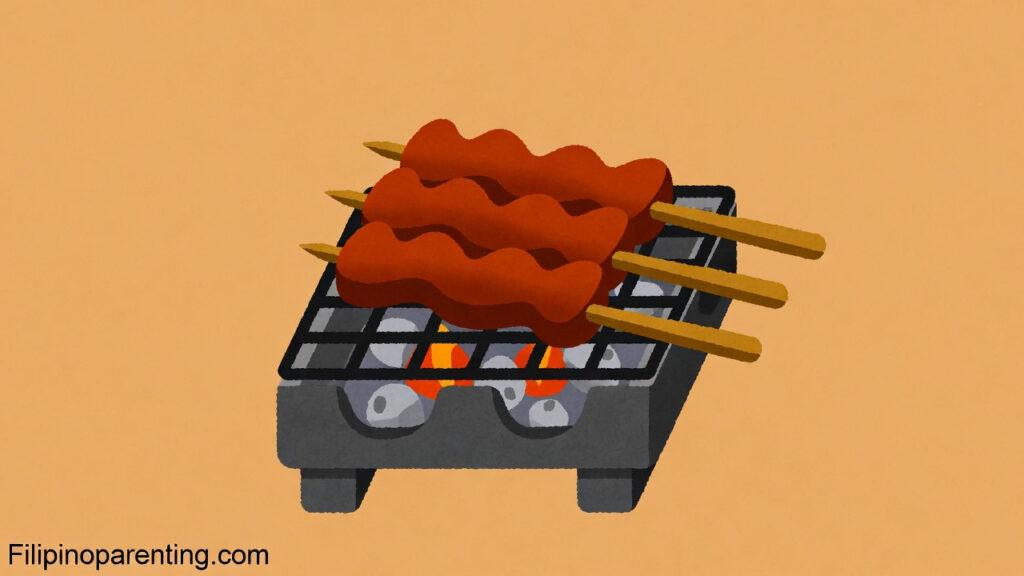
Table of Contents
What Is “Grill in Tagalog”? Pronunciation and Basics
Ihawan is the noun for grill (the equipment), while mag-ihaw or simply ihaw is the verb (“to grill” or “grill it”). Pronunciation is ee-HOW—short, strong, and easy to say. In markets and street food stalls, vendors shout “Inihaw! Inihaw na pusit!” (Grilled! Grilled squid!).
In the Philippines, grilling usually means charcoal (uling) over a makeshift grill or portable barbecue pit. Gas grills and electric grills are common in urban homes, but traditional charcoal gives the authentic smoky taste Filipinos love. Marinades often include soy sauce, calamansi, garlic, and pepper—simple yet unforgettable.
Fascinating Facts About Ihaw in Filipino Culture
Grilling is more than cooking—it’s a social ritual. Weekend “ihaw-ihaw” sessions with family and friends feature long tables, cold beer, and endless plates of grilled meat, seafood, and vegetables. Street food like isaw (grilled chicken intestines), betamax (grilled congealed pork blood), and pork barbecue are iconic Manila sidewalk treats. This tradition is a beautiful display of how Filipino hospitality makes everyone feel welcome around the fire.
Charcoal grilling is eco-friendly when using sustainable uling (coconut shell charcoal is common). Grilling preserves natural flavors without heavy oil, making it a healthier option for seafood and lean meats. During fiestas, beach outings, and family reunions, the Grill in Tagalog context places the ihawan at the center of celebration—everyone gathers around the smoke, sharing stories and food. According to The Spruce Eats, the secret to Filipino BBQ often lies in the sweet and savory balance of the baste. For those interested in the culinary science of smoke, Meathead Goldwyn’s AmazingRibs provides deep dives into how charcoal impacts flavor.
How to Use “Ihawan” and “Mag-Ihaw” in Everyday Tagalog: 12 Example Sentences
Here are 12 practical sentences using ihaw, mag-ihaw, and related grilling terms, with Tagalog first followed by English translation. Perfect for planning a barbecue, ordering street food, or chatting with cooks.
- Mag-ihaw tayo ng pusit sa beach mamaya. (Let’s grill squid at the beach later.)
- Masarap ang inihaw na bangus na may calamansi. (Grilled milkfish with calamansi is delicious.)
- Paano mag-marinade bago mag-ihaw ng manok? (How do you marinate chicken before grilling?)
- Gusto ko ng inihaw na liempo na malutong ang balat. (I want grilled pork belly with crispy skin.)
- Mag-ihaw kami ng seafood platter sa backyard. (We’re grilling a seafood platter in the backyard.)
- Huwag kalimutan ang suka at bawang sa sawsawan ng inihaw. (Don’t forget vinegar and garlic in the dipping sauce for grilled food.)
- Sa fiesta, laging may inihaw na lechon sa grill. (During fiestas, there’s always grilled lechon on the grill.)
- Ang inihaw na talakitok ay paborito ko sa Boracay. (Grilled jackfish is my favorite in Boracay.)
- Mag-ihaw tayo ng corn at eggplant para sa side dish. (Let’s grill corn and eggplant for side dishes.)
- Nakakain ako ng masarap na inihaw na pusit sa Cebu. (I ate delicious grilled squid in Cebu.)
- Gamitin ang uling na mabuti para sa magandang lasa ng ihaw. (Use good charcoal for great grilled flavor.)
- Sa gabi, mag-ihaw kami habang umiinom ng beer. (Tonight, we’ll grill while drinking beer.)
Practice these sentences aloud—they’ll make you sound like a local at any Filipino barbecue!
Ihaw in Filipino Cuisine: Popular Grilled Dishes and Traditions
Grilling is simple yet iconic in Pinoy food:
- Inihaw na Bangus — Grilled milkfish stuffed with tomatoes and onions, brushed with soy-calamansi.
- Pork Barbecue — Skewered marinated pork, grilled until caramelized and smoky.
- Inihaw na Pusit — Whole squid stuffed with tomatoes, grilled with soy glaze.
- Inihaw na Liempo — Pork belly grilled until crispy-skinned and juicy.
- Grilled Seafood Platter — Mix of squid, shrimp, fish, and shellfish.
- Inihaw na Mais — Grilled corn on the cob with butter or margarine.
Charcoal grilling over uling gives the authentic taste. Street-side “ihaw-ihaw” stalls serve quick, affordable grilled items with rice and sawsawan (dipping sauce). During family gatherings, someone always mans the Grill in Tagalog style ihawan while others prepare sides and drinks.
Related Tagalog Vocabulary for Grilling
Expand your grilling terms:
- Grill (verb) = mag-ihaw
- Grill (equipment) = ihawan
- Charcoal = uling
- Marinade = marinade or pampalasa
- Dipping sauce = sawsawan
- Skewers = tusok or stick
- Smoke = usok
- Crispy skin = malutong na balat
Try: “Mag-ihaw tayo ng pusit at hipon sa uling!” (Let’s grill squid and shrimp on charcoal!)
FAQ About Ihaw in Tagalog
What is the Tagalog word for grill?
Ihawan (noun/equipment); mag-ihaw (verb/to grill).
How do you pronounce ihaw?
Ee-HOW (stress on “how”).
What makes Filipino ihaw special?
The simple soy-calamansi-garlic marinade and charcoal smoke create unbeatable flavor.
What are the most popular foods to mag-ihaw?
Bangus, pusit, pork barbecue, liempo, chicken inasal, isaw, and seafood.
How do you start a charcoal grill in Tagalog?
“Mag-ayos ng uling” (prepare the charcoal), then “sindihan” (light it).
Is grilling healthy?
Yes—low oil, retains nutrients; choose lean meats and add vegetables.
Best tool for flipping grilled food?
Sipit (tongs) or grill fork.
How to say “Let’s grill” in Tagalog?
“Tara, mag-ihaw tayo!” or “Mag-ihaw na tayo!”
Conclusion: Start Using “Mag-Ihaw” and Fire Up Your Tagalog Today
Using a Grill in Tagalog context is more than a cooking method—it’s the sound of family, friendship, and celebration in the Philippines. From smoky charcoal grills at the beach to backyard feasts under the stars, grilling brings people together over simple, delicious food. With these 12 example sentences, you can talk about ihaw confidently: planning a barbecue, ordering street food, or chatting with the grill master.
Next time you smell charcoal smoke or see skewers sizzling, say “Mag-ihaw na tayo!” and join the fun. Learning Tagalog through food and traditions makes it warm, practical, and unforgettable. Keep practicing, fire up the grill, and explore more Pinoy cooking vocabulary. Salamat for reading—happy grilling and happy learning!