Biko recipe Filipino rice cake is a classic Filipino dessert made from sticky glutinous rice, coconut milk, and brown sugar. It is commonly prepared for merienda, family gatherings, and special celebrations because of its rich flavor and comforting sweetness.
This traditional rice cake is loved for its simplicity, cultural significance, and versatility. Learning about biko helps preserve Filipino food heritage while giving home cooks an easy, crowd-pleasing dessert to serve any day.
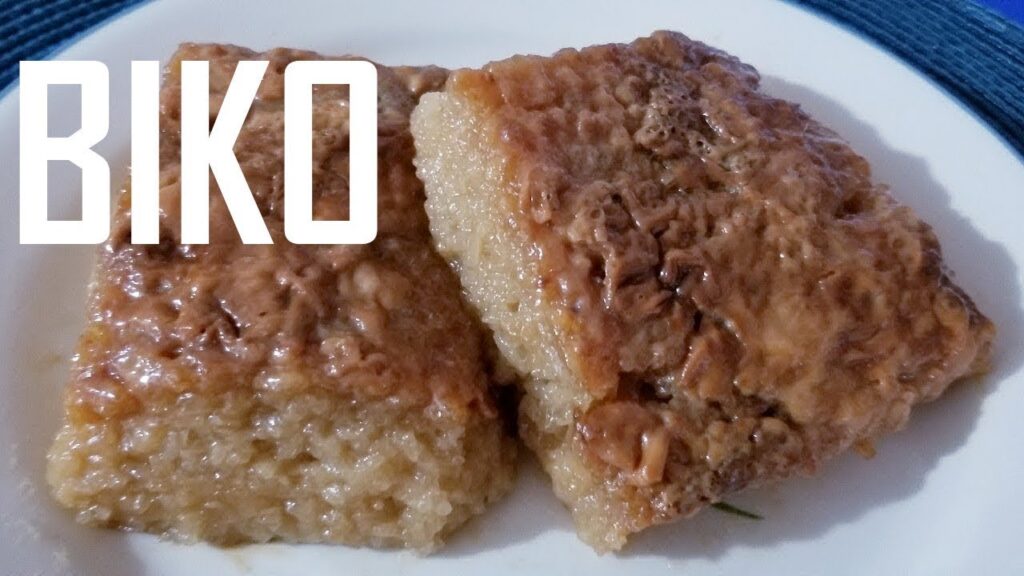
Table of Contents
What Is Biko Recipe Filipino Rice Cake?
Biko is a traditional Filipino rice cake made by cooking glutinous rice with coconut milk and brown sugar, then baking it with a creamy caramel topping. It belongs to a group of native Filipino delicacies known as kakanin.
Biko has roots in Filipino home cooking and fiestas, where rice-based desserts symbolize abundance, sharing, and celebration. Grammatically, biko is a noun and refers both to the dish and the finished rice cake itself.
Quick Facts
- Category: Food / Dessert
- Used For: Snack, merienda, dessert
- Common Context: Fiestas, holidays, family gatherings
- Related Root Word: Kakanin
Biko Recipe Filipino Rice Cake (Complete Recipe)
Ingredients
- 4 cups glutinous rice (malagkit), washed and drained
- 4 cups coconut milk (gata ng niyog)
- 1½ cups brown sugar (asukal na pula)
- 1 cup water
- 1 tablespoon melted butter (for greasing)
- 1 can condensed milk (for topping)
How to Make Biko Recipe Filipino Rice Cake
- Put the glutinous rice into a rice cooker or heavy pot.
- Add the coconut milk and water, then mix well.
- Cook the rice until it becomes soft and sticky.
- Once the mixture thickens, add the brown sugar and stir until fully dissolved.
- Continue cooking until the rice mixture is thick, glossy, and fully cooked.
- Grease a baking pan with melted butter.
- Transfer the cooked rice mixture into the pan and spread evenly.
- Preheat the oven to 350°F (180°C).
- Bake the rice mixture for 20 minutes.
- Remove from the oven and spread condensed milk evenly on top.
- Return to the oven and bake for another 40 minutes.
- Switch to broil and broil for 3 minutes or until the topping turns golden brown.
- Remove from the oven and allow to cool before slicing and serving.
Tip: Let the biko rest for at least 15 minutes before cutting for cleaner slices.
Biko Recipe Filipino Rice Cake Vocabulary Words
| # | English | Tagalog |
|---|---|---|
| 1 | Biko | Biko |
| 2 | Rice cake | Kakanin |
| 3 | Glutinous rice | Malagkit |
| 4 | Coconut milk | Gata |
| 5 | Brown sugar | Asukal na pula |
| 6 | Sticky rice | Kaning malagkit |
| 7 | Dessert | Panghimagas |
| 8 | Snack | Meryenda |
| 9 | Sweet | Matamis |
| 10 | Baked rice cake | Inihurnong kakanin |
| 11 | Caramel topping | Matamis na palaman |
| 12 | Filipino delicacy | Katutubong pagkain |
| 13 | Rice cooker | Lutuan ng bigas |
| 14 | Baking pan | Lalagyan sa oven |
| 15 | Butter | Mantikilya |
| 16 | Condensed milk | Kondensadang gatas |
| 17 | Holiday food | Pagkaing pang-pista |
| 18 | Celebration dish | Handaan |
| 19 | Traditional recipe | Tradisyonal na resipe |
| 20 | Homemade dessert | Lutong-bahay na panghimagas |
How Is Biko Recipe Filipino Rice Cake Used?
Biko is commonly served as a dessert or snack and is deeply tied to Filipino culture and celebrations.
1. As a Merienda Snack
Biko is often eaten in the afternoon with coffee or tea.
Examples:
Biko ang meryenda namin.
Masarap ang biko sa hapon.
2. During Fiestas and Celebrations
Biko is a staple at birthdays, fiestas, and holidays, symbolizing sharing and abundance.
3. As a Homemade Family Dessert
Families prepare biko at home because it uses simple, affordable ingredients.
4. Holiday and Religious Occasions
Biko is served during Christmas, New Year, and All Saints’ Day as a sign of gratitude and togetherness.
5. Cultural and Educational Use
Biko is taught in Filipino cooking lessons and cultural discussions to preserve culinary heritage.
Importance and Practical Value of Biko Recipe Filipino Rice Cake
- Communication Benefit – Helps describe Filipino food and traditions clearly.
- Cultural Relevance – Represents Filipino hospitality and heritage.
- Learning Advantage – Ideal for beginners learning Filipino cuisine.
- Practical Everyday Use – Easy to prepare using pantry staples.
- Social or Emotional Impact – Brings comfort, nostalgia, and bonding.
- Professional or Academic Value – Useful for food blogging and culinary studies.
How to Use Biko Recipe Filipino Rice Cake in Daily Life
- Serve as afternoon merienda
- Prepare for family gatherings
- Bring to potlucks and parties
- Feature in Filipino food blogs
- Teach as a traditional recipe
Commonly Used Example Phrases in Tagalog
- This biko is delicious.
Masarap ang bikong ito. - I made biko at home.
Nagluto ako ng biko sa bahay. - Biko is my favorite dessert.
Paborito kong panghimagas ang biko. - We served biko during the fiesta.
Naghain kami ng biko noong pista. - The biko is sweet and sticky.
Matamis at malagkit ang biko. - She baked biko for her family.
Nagluto siya ng biko para sa pamilya. - Biko is made with coconut milk.
Ginagawa ang biko gamit ang gata. - They shared biko with neighbors.
Nagbahagi sila ng biko sa mga kapitbahay. - Biko is a Filipino rice cake.
Ang biko ay isang Filipino rice cake. - This biko recipe is easy to follow.
Madaling sundan ang resipeng ito ng biko.
Frequently Asked Questions (FAQ)
1. What is biko recipe Filipino rice cake?
It is a traditional Filipino dessert made from glutinous rice, coconut milk, and brown sugar.
2. What does biko mean in English?
Biko means Filipino sticky rice cake.
3. Is biko formal or informal?
It is neutral and commonly used in everyday conversation.
4. When should you serve biko?
Serve it as a snack, dessert, or during celebrations.
5. How do you properly use biko in a sentence?
Use it as a noun when referring to the rice cake or dessert.
Conclusion
Biko recipe Filipino rice cake is a beloved traditional dessert that reflects Filipino culture, simplicity, and family values. Made with sticky rice and coconut milk, it remains a favorite for both everyday snacks and special occasions.
By learning, cooking, and sharing biko, you help preserve Filipino culinary traditions while enjoying a timeless and comforting dessert—one sweet slice at a time 🍚🥥✨