If you are craving the magical taste of colorful layers of sticky rice cake with the mild creaminess of coconut milk, the earthy sweetness of purple yam, and the fruity hint of jackfruit (langka), then this Easy Sapin-Sapin Recipe is exactly what you need.
Sapin-sapin is a beloved Filipino steamed dessert made from glutinous rice flour and coconut milk, layered with vibrant flavors and topped with toasted coconut flakes or latik. The word “sapin” means “layer” in Filipino, which perfectly describes this eye-catching treat.
I still remember going to the local market with my grandmother and spotting freshly cooked Sapin-sapin displayed in a large bilao lined with banana leaves. The bright colors immediately caught my attention, and the sweet aroma of coconut milk and toasted latik sealed the deal. One bite of that soft, sticky, and creamy rice cake made it unforgettable.
Today, I’m sharing this easy and simple Sapin-sapin recipe that you can make at home using basic ingredients.
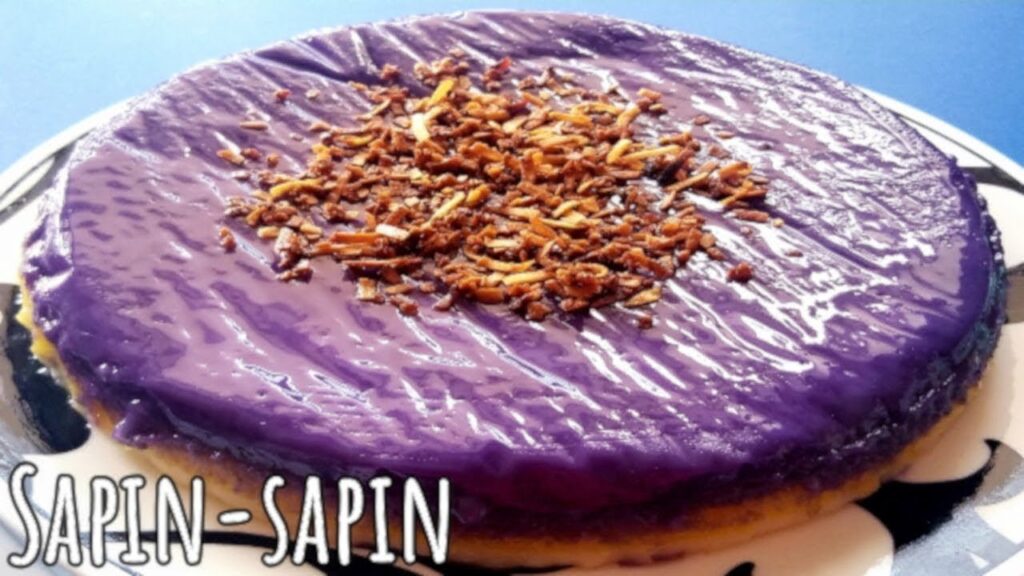
Table of Contents
What is Sapin-Sapin?
Sapin-sapin is a traditional Filipino kakanin (rice-based dessert) commonly served during special occasions and holidays. It is made by steaming layers of flavored rice batter until firm and fully set. The most common flavors include:
- Ube (purple yam)
- Langka (jackfruit)
- Buko (coconut)
Each layer is steamed separately to create distinct colorful sections that are both beautiful and delicious.
When and Where is Sapin-Sapin Usually Served?
Sapin-sapin is popular throughout the Philippines and is especially served during:
- All Saints’ Day
- All Souls’ Day
- Christmas Eve (Noche Buena)
- New Year’s Day
- Town fiestas and family celebrations
It is commonly found in local markets, street vendors, and Filipino bakeries. Because of its festive appearance, it’s often included in dessert tables for holidays and gatherings.
Ingredients for This Easy Sapin-Sapin Recipe
Here are the simple ingredients you will need:
- 1 can condensed milk
- 1 cup granulated white sugar
- 2 cans coconut milk
- 3 cups glutinous rice flour
- ¼ tsp jackfruit (langka) flavor
- ¼ tsp purple yam (ube) flavor
- 1 cup toasted coconut flakes or latik (for topping)
These pantry-friendly ingredients come together to create the soft, chewy texture and rich coconut flavor that make this Easy Sapin-Sapin Recipe so irresistible. The glutinous rice flour gives the dessert its signature sticky consistency, while the coconut milk adds natural creaminess. The ube and langka flavorings provide the traditional vibrant colors and distinct taste that define authentic Sapin-sapin.
With just these basic components, you can recreate a festive Filipino steamed rice cake that looks impressive but is surprisingly simple to prepare.
Kitchen Tools Needed
To successfully prepare this Easy Sapin-Sapin Recipe, having the right kitchen tools will make the process smoother and help you achieve clean, well-defined layers:
- Steamer – This is essential since Sapin-sapin is a steamed dessert. A stovetop steamer works perfectly, but you can also use a large pot with a steaming rack and tight-fitting lid to ensure even cooking.
- Baking Pan – A round or square pan (usually 8 to 9 inches) is ideal for creating uniform layers. Make sure it fits comfortably inside your steamer.
- Fine Mesh Cloth or Strainer – Straining the batter removes lumps and ensures a silky, smooth texture. This step is key to achieving soft and even layers.
- 1 Large Bowl – Used for mixing all the main ingredients together before dividing the batter.
- 3 Small Bowls – Needed to separate the batter into three portions for flavoring and coloring (ube, langka, and plain).
Using these simple kitchen tools will help you create a beautifully layered, smooth, and perfectly steamed Sapin-sapin every time.
How to Make Sapin-Sapin (Step-by-Step Instructions)
Step 1: Prepare the Batter
In a large bowl:
- Combine glutinous rice flour and granulated sugar.
- Add condensed milk.
- Pour in coconut milk.
- Stir thoroughly until the mixture becomes smooth and lump-free.
- Strain the batter using a fine-mesh cloth to ensure a silky texture.
Step 2: Divide and Flavor
- Divide the batter evenly into three bowls.
- Add 4 drops of langka flavoring to the first bowl.
- Add 4 drops of ube flavoring to the second bowl.
- Leave the third bowl plain.
Step 3: Steam the Layers
- Grease your baking pan lightly with oil.
- Pour the ube-flavored batter into the pan.
- Steam for 10 minutes or until set.
- Let it cool for 3–5 minutes.
Next:
- Pour the langka-flavored batter on top.
- Steam for another 10 minutes.
- Cool for 3–5 minutes.
Finally:
- Pour the plain white batter on top.
- Steam for 10 minutes or until fully set.
Step 4: Cool and Serve
- Remove from the steamer.
- Allow it to cool completely.
- Gently invert onto a serving plate.
- Top with toasted coconut flakes or latik.
- Slice into serving pieces.
Once fully cooled and sliced, arrange the colorful layers on a serving plate and sprinkle generously with toasted coconut flakes or rich, golden latik for added texture and flavor. The soft, chewy consistency combined with the creamy coconut taste and subtle sweetness from the ube and langka makes every bite truly satisfying.
This Easy Sapin-Sapin Recipe is best enjoyed with family and friends, especially during holidays and special gatherings. Pair it with a warm cup of coffee or tea for a comforting treat. Whether served as a festive dessert centerpiece or an afternoon merienda snack, your homemade Sapin-sapin is sure to impress and bring a delightful taste of Filipino tradition to the table.
Tips for the Best Sapin-Sapin – Easy Sapin-Sapin Recipe Guide
To achieve perfectly defined layers, a soft chewy texture, and that authentic Filipino flavor, follow these helpful tips when making this Easy Sapin-Sapin Recipe:
- Strain the batter for a smoother texture.
Always pass the mixture through a fine mesh strainer or cloth before dividing it into bowls. This removes lumps from the glutinous rice flour and ensures each layer turns out silky, smooth, and evenly cooked. - Steam each layer until fully set.
Patience is key when preparing this Easy Sapin-Sapin Recipe. Make sure each layer is firm before pouring the next one on top. Gently touch the surface with a spoon — if it doesn’t stick and feels set, it’s ready for the next layer. This prevents colors from blending together. - Wipe the steamer lid to avoid water drips.
Condensation can drip onto the batter and cause uneven texture. Wrap the lid with a clean cloth or wipe it occasionally to keep the surface smooth. - Allow full cooling before slicing.
Let the Sapin-sapin cool completely at room temperature before removing it from the pan. This helps the layers firm up and makes slicing easier, resulting in clean and beautiful sections. - Lightly grease the pan for easy removal.
Brushing the pan with oil prevents sticking and makes it easier to invert onto a serving plate. - Line the pan with banana leaves for authentic flavor.
Using banana leaves not only enhances the presentation but also adds a subtle traditional aroma that makes your Easy Sapin-Sapin Recipe taste even more special. - Use moderate heat when steaming.
Steaming over medium heat ensures the layers cook evenly without forming bubbles or cracks on the surface.
By following these simple yet important tips, your Easy Sapin-Sapin Recipe will turn out beautifully layered, soft, creamy, and perfect for any celebration or special gathering.
Frequently Asked Questions (FAQ)
Why is my Sapin-sapin too soft?
It may need more steaming time. Make sure each layer is fully set before adding the next one.
Can I use fresh ube instead of flavoring?
Yes, you can use ube halaya or mashed cooked ube for a more natural flavor.
How do I store Sapin-sapin?
Store it in an airtight container in the refrigerator for up to 3 days. Reheat lightly before serving if desired.
Can I freeze Sapin-sapin?
Freezing is not recommended as it may alter the texture.
Why You’ll Love This Easy Sapin-Sapin Recipe
- Simple pantry ingredients
- No baking required
- Perfect for holidays and celebrations
- Visually stunning dessert
- Soft, creamy, and perfectly sweet
This Easy Sapin-Sapin Recipe is beginner-friendly and perfect for anyone who wants to recreate a classic Filipino steamed sticky rice cake at home.
Conclusion
Sapin-sapin is more than just a colorful rice cake — it is a nostalgic Filipino dessert that brings families together during special occasions. With its soft texture, creamy coconut flavor, and vibrant layers of ube and langka, this steamed delicacy continues to be a favorite across generations.
Now that you know how to make this Easy Sapin-Sapin Recipe, you can prepare it for your next holiday celebration or whenever you crave a sweet and comforting Filipino treat.
Happy cooking and enjoy every sticky, delicious bite!