Vegetables in Tagalog: More Than Just Food
Vegetables in Tagalog are called gulay, but in the Philippines, gulay means much more than edible plants on a plate. It represents daily life, family meals, hospitality, and the simple joy of eating together.
Filipino meals are typically served all at once — soup, vegetables, meat, and rice — laid out together so everyone can enjoy a little of everything in each bite. Instead of eating in courses, families gather around a table where flavors are mixed freely. A spoon in one hand and a fork in the other, diners combine sabaw (soup), rice, and gulay in a single satisfying spoonful. Condiments sit nearby so each person can season their food to taste. In some homes, especially in rural provinces, hands are still used — a beautiful reminder that eating is meant to be shared and experienced fully.
Hospitality is deeply woven into Filipino food culture. When someone passes by during mealtime, it is customary to say, “Kain tayo” — come eat with us. Even if the meal is simple, it is offered generously. And very often, that meal includes vegetables in Tagalog cooking — sautéed greens, simmered squash, fresh cucumbers, or a hearty bowl of vegetable soup.
Gulay represents both practicality and abundance. Meat can be expensive, but vegetables are accessible, nourishing, and versatile. They stretch a meal to feed more people and add balance to rich dishes. From everyday home cooking to large fiesta celebrations, vegetables are always present — whether in humble sautéed dishes or alongside festive spreads prepared for weddings, birthdays, Christmas, and New Year.
Growing up in many Filipino households means waking up to the aroma of garlic and onions sizzling in a pan — the familiar beginning of countless vegetable dishes. It means watching elders select fresh produce at the local market. It means learning that food tastes better when shared with family, neighbors, and even unexpected guests.
Learning vegetables in Tagalog is not only about building vocabulary. It is about understanding how gulay connects language, culture, generosity, and tradition.
Once you begin to notice it, you will see that vegetables in Tagalog life are everywhere — in the palengke, in backyard gardens, in simmering pots of soup, and most importantly, at the heart of every Filipino table. 🌱🍲
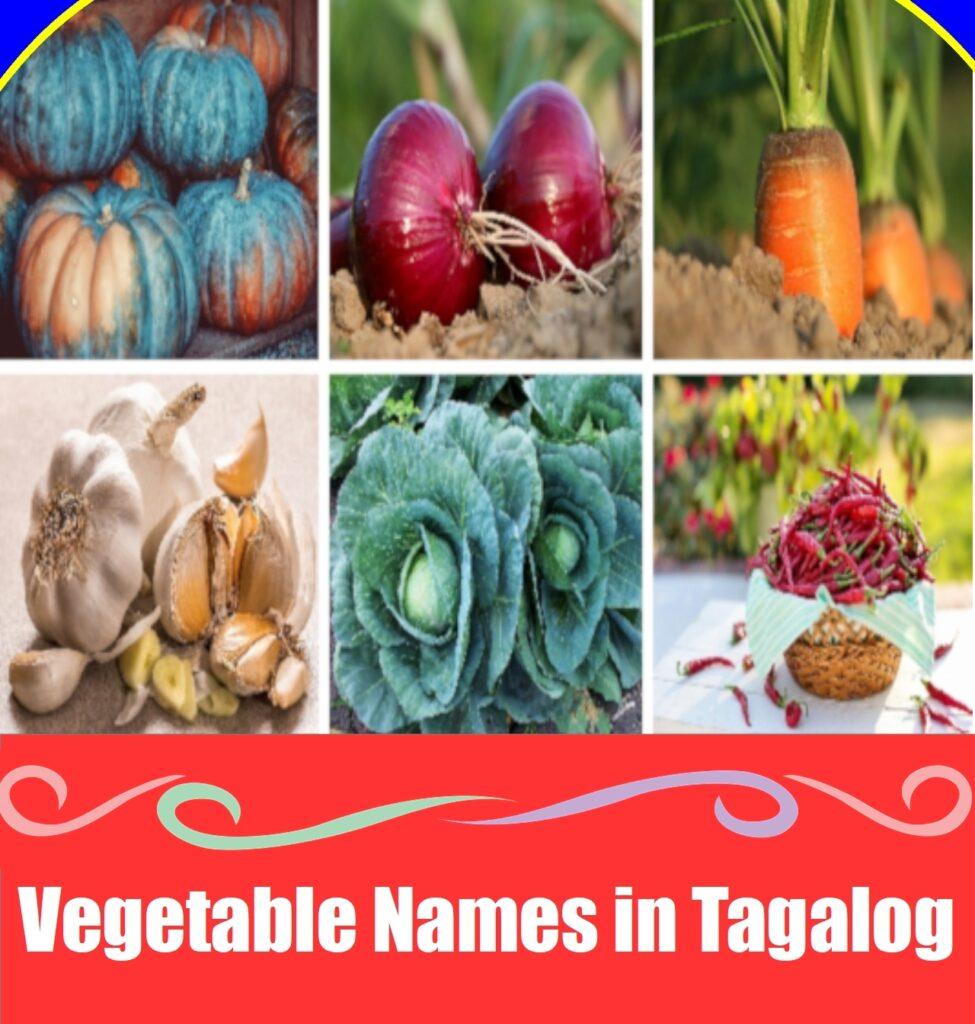
Table of Contents
What Are Vegetables in Tagalog?
Vegetables in Tagalog are known as gulay. But in Filipino culture, gulay is more than a simple translation — it represents everyday nourishment, home cooking, and the flavors that bring families together around the table.
The word gulay refers to the edible parts of plants used in cooking. These may include:
- Roots
- Leaves
- Stems
- Seeds
- Bulbs
- Fruits used as vegetables
In Filipino kitchens, gulay appears in soups, stews, stir-fries, salads, and even snacks. Some are simmered in sour broths, others sautéed with garlic and onion, and many are simply steamed or boiled to preserve their natural flavor.
There is no single scientific name for vegetables because they come from many different plant species. What connects them is not biology alone — it is how they are prepared, shared, and enjoyed in daily Filipino life.
Quick Facts About Vegetables (Gulay)
- Tagalog Term: Gulay
- Scientific Classification: Varies by species
- Colors: Green, red, orange, purple, yellow, white
- Taste Profile: Sweet, bitter, earthy, mild, spicy
Vegetables have been part of Filipino cooking for centuries. Long before modern supermarkets, communities relied on backyard gardens, local farms, and seasonal harvests. Indigenous traditions shaped early vegetable dishes, while trade and colonization introduced new crops that eventually became staples in Filipino cuisine.
Today, gulay continues to reflect that rich history. From humble home gardens to busy public markets, vegetables remain essential in both rural and urban households. They balance rich flavors, stretch family meals, and provide daily nourishment.
Why Vegetables in Tagalog (Gulay) Are Important in FVegetables in Tagalog and Filipino Culture
In the Philippines, vegetables in Tagalog cuisine are never just ingredients on a plate. Gulay carries meaning. It reflects daily life, resourcefulness, and the deep connection between food and family.
Vegetables in Tagalog cooking represent:
- Everyday family meals shared around one table
- Sustainable farming practices passed down through generations
- Local agriculture that supports communities and small farmers
- Cultural heritage shaped by history, geography, and tradition
In many Filipino homes, meals are simple but thoughtfully prepared. A pot of rice, a bowl of soup, and a dish of sautéed vegetables can be enough to gather everyone together. Gulay stretches meals, balances flavors, and ensures that even modest dishes feel complete.
Classic Filipino favorites such as Sinigang, Pinakbet, and Ginisang Gulay beautifully showcase how vegetables take center stage. In these dishes, fresh produce is not an afterthought — it defines the flavor, texture, and heart of the meal.
In many households, gulay is bought early in the morning from the local palengke (market), carefully selected for freshness, and cooked the very same day. There is pride in choosing vibrant greens, firm squash, or crisp beans. The shorter the time from market to table, the better the taste.
Beyond nutrition, vegetables symbolize care. Preparing gulay is a quiet act of love — ensuring children eat something healthy, making sure guests are well-fed, and honoring traditions that value sharing over excess.
To understand vegetables in Tagalog is to understand a piece of Filipino identity. Gulay connects farms to kitchens, elders to children, and everyday meals to centuries of cultural tradition. 🌱🍲
Vegetables Vocabulary Words in Tagalog
Learning vegetables in Tagalog goes beyond memorizing names of produce. To truly understand gulay in Filipino culture, it helps to know the everyday words that surround it — the terms used in markets, kitchens, gardens, and family conversations.
When Filipinos talk about food, they are often describing freshness, taste, preparation, and the care that goes into cooking. From selecting vegetables at the palengke to sautéing them in a hot pan, these vocabulary words bring the experience of gulay to life.
Here are important vocabulary words related to vegetables in Tagalog:
| English | Tagalog |
|---|---|
| Vegetables | Gulay |
| Root | Ugat |
| Leaf | Dahon |
| Seed | Buto |
| Stem | Tangkay |
| Soup | Sabaw |
| Stir-fry | Ginisa |
| Market | Palengke |
| Fresh | Sariwa |
| Harvest | Ani |
| Healthy | Masustansya |
| Bitter | Mapait |
| Sweet | Matamis |
| Boiled | Nilaga |
| Fried | Prito |
| Salad | Ensalada |
| Farmer | Magsasaka |
| Garden | Hardin |
| Chop | Hiwain |
| Cook | Lutuin |
These words are commonly heard in daily life. You might hear someone say, “Sariwa ba ang gulay?” (Are the vegetables fresh?) or “Magluto tayo ng ginisang gulay.” (Let’s cook sautéed vegetables.) Even children grow up hearing reminders like “Kumain ka ng gulay — masustansya iyan.” (Eat vegetables — they’re nutritious.)
Why These Words Matter
Building your vegetables vocabulary in Tagalog helps you move from simply identifying food to understanding conversations about cooking, health, and tradition. These words connect you to the rhythm of Filipino kitchens — where garlic sizzles, soup simmers, and vegetables are prepared with care.
As you continue learning vegetables in Tagalog, try using these terms in simple sentences. Imagine yourself at the market choosing fresh produce, or in the kitchen chopping and cooking gulay for family and friends.
Language, like food, is best experienced when used and shared. And with every new word you learn, you step closer to understanding the heart of Filipino meals. 🌱🍲
35 Essential Vegetables in Tagalog
Below is a categorized list of commonly used vegetables in Tagalog cooking.
Root Vegetables in Tagalog (Ugat at Tubers)
Root vegetables, known in Tagalog as ugat, grow underground and store nutrients within their roots or tubers. These vegetables are an important part of Filipino meals because they are filling, nutritious, and versatile in cooking.
In many Filipino households, root vegetables are used in soups, stews, boiled dishes, and even desserts. They provide natural sweetness, texture, and energy, making them a staple ingredient in everyday cooking.
Below are some common root vegetables in Tagalog that you will often find in markets and kitchens across the Philippines:
- Gabi – Taro
- Kamote – Sweet Potato
- Singkamas – Jicama
- Labanos – Radish
- Karot – Carrot
These vegetables are not only affordable and widely available, but they are also packed with vitamins, fiber, and essential nutrients. Whether boiled, mashed, added to soups, or eaten fresh, root vegetables continue to play a vital role in traditional Filipino cuisine.
By learning these root vegetables in Tagalog, you strengthen both your vocabulary and your understanding of how gulay shapes everyday Filipino meals.
Leafy Greens in Tagalog (Mga Madahong Gulay)
Leafy greens, known in Tagalog as mga madahong gulay, are vegetables harvested primarily for their leaves. These vegetables are widely used in Filipino cooking because they are light, nutritious, and easy to prepare. Many traditional dishes feature leafy greens as the main ingredient or as a healthy addition to soups and sautéed meals.
In the Philippines, leafy vegetables are often bought fresh from the palengke and cooked the same day to preserve their flavor and nutrients. They are rich in vitamins, minerals, and fiber, making them an essential part of balanced daily meals.
Here are common leafy greens in Tagalog:
- Mustasa – Mustard Greens
- Alugbati – Malabar Spinach
- Kangkong – Water Spinach
- Malunggay – Moringa Leaves
- Saluyot – Jute Leaves
- Pechay – Bok Choy
- Pako – Edible Fern
- Letsugas – Lettuce
- Repolyo – Cabbage
- Brokuli – Broccoli
These vegetables can be steamed, sautéed with garlic, added to soups, or served fresh in salads. Leafy greens are especially valued for their health benefits, including supporting digestion, strengthening the immune system, and providing essential nutrients for children and adults alike.
By learning these leafy greens in Tagalog, you expand your vocabulary while gaining a deeper appreciation for the importance of gulay in Filipino cooking and everyday life.
Gourds and Squash in Tagalog (Fruits Used as Vegetables)
Some vegetables in Filipino cooking are technically fruits because they grow from the flowering part of the plant. However, they are prepared and eaten as vegetables. In Tagalog, these are commonly grouped with gulay and are widely used in soups, stews, and sautéed dishes.
Gourds and squash are popular in the Philippines because they grow well in tropical climates. They are soft, mild in flavor, and absorb seasonings easily, making them perfect for traditional home-cooked meals.
Here are common gourds and squash in Tagalog:
- Patola – Sponge Gourd
- Sayote – Chayote
- Upo – Bottle Gourd
- Kalabasa – Squash
- Kundol – Winter Melon
- Ampalaya – Bitter Gourd
- Okra – Lady’s Finger
These vegetables are commonly added to dishes like sautéed vegetables, noodle soups, and hearty stews. For example, ampalaya is known for its bitter taste but is highly valued for its health benefits, while kalabasa adds natural sweetness and rich texture to meals like pinakbet.
Gourds and squash are rich in vitamins, fiber, and antioxidants. They are also low in calories, making them a healthy choice for everyday cooking.
By learning these fruits used as vegetables in Tagalog, you continue building your knowledge of gulay and understanding how Filipino cuisine makes the most of fresh, locally grown produce.
Legumes and Beans in Tagalog (Mga Butong Gulay)
Legumes and beans, known in Tagalog as mga butong gulay, are vegetables harvested for their seeds or pods. These ingredients are an important source of plant-based protein in Filipino households and are commonly used in everyday meals. They are affordable, filling, and highly nutritious, making them a staple in many traditional dishes.
In Filipino cooking, legumes and beans are often boiled, sautéed, or added to soups and stews. They provide texture, flavor, and essential nutrients such as fiber, iron, and protein.
Here are common legumes and beans in Tagalog:
- Sigarilyas – Winged Bean
- Mani – Peanuts
- Sitaw – String Beans
- Bataw / Patani – Hyacinth Bean
- Monggo – Mung Beans
- Toge – Mung Bean Sprouts
These vegetables are widely used in dishes like sautéed string beans, mung bean soup, and vegetable stir-fries. Monggo is especially popular in Filipino cuisine and is often cooked into a hearty soup, while toge is commonly added to fresh lumpia and noodle dishes.
Legumes and beans are valued not only for their taste but also for their health benefits. They support digestion, help maintain energy levels, and contribute to heart health.
By learning these legumes and beans in Tagalog, you strengthen your vocabulary while gaining insight into how gulay supports both nutrition and tradition in Filipino cooking.
Bulbs and Aromatics in Tagalog (Mga Pampalasa at Sangkap)
Bulbs and aromatics are essential ingredients in Filipino cooking. In Tagalog, these are often referred to as mga pampalasa (seasonings) because they enhance the aroma, flavor, and depth of every dish. While some of them are technically fruits or roots, they are grouped with vegetables in everyday cooking.
In many Filipino recipes, cooking begins with sautéing garlic and onion — a method known as ginisa. This simple step creates a rich base flavor that defines countless traditional meals.
Here are common bulbs and aromatics in Tagalog:
- Kamatis – Tomato
- Sibuyas – Onion
- Luya – Ginger
- Bawang – Garlic
- Sili – Chili Pepper / Bell Pepper
These ingredients are used in soups, stir-fries, stews, marinades, and sauces. For example:
- Bawang and sibuyas are typically sautéed first to build flavor.
- Kamatis adds natural sweetness and slight acidity to dishes.
- Luya provides warmth and helps balance strong flavors.
- Sili adds spice or mild sweetness, depending on the variety used.
Beyond taste, these aromatics also offer health benefits. Garlic and ginger are known for supporting immunity, while tomatoes are rich in antioxidants.
By learning these bulbs and aromatics in Tagalog, you will be able to understand the foundation of Filipino cooking. These simple ingredients may seem small, but they are powerful in creating the distinct flavors that make gulay dishes truly delicious.
Shoots and Other Vegetables in Tagalog (Mga Usbong at Iba Pang Gulay)
Shoots and tender young plant parts are commonly used in Filipino cooking. In Tagalog, young sprouts or shoots are called usbong, and they are valued for their crisp texture and mild flavor. These vegetables are often harvested while still young, making them soft and easy to cook.
Shoots and similar vegetables are popular in soups, sautéed dishes, and fresh side preparations. They add variety to meals and highlight the use of seasonal, locally grown produce in Filipino households.
Here are common shoots and other vegetables in Tagalog:
- Budbod – Taro Shoots
- Labong – Bamboo Shoots
- Pipino – Cucumber
Budbod and labong are usually cooked before eating. They are often added to coconut-based dishes, stir-fries, or sour soups for extra texture and flavor. Labong, in particular, is widely enjoyed for its slightly earthy taste and crunchy bite.
Pipino, on the other hand, is commonly eaten fresh. It is used in salads, side dishes, and refreshing snacks, especially during warm weather.
These vegetables provide fiber, hydration, and important nutrients while keeping meals light and balanced. By learning these shoots and other vegetables in Tagalog, you continue building your vocabulary and gaining a better understanding of how diverse and resourceful Filipino cooking can be.
Health Benefits of Vegetables in Tagalog Cuisine
Vegetables in Tagalog meals provide powerful health benefits:
1. Rich in Vitamins
Gulay contains Vitamins A, C, and K.
2. High in Fiber
Supports digestion and gut health.
3. Low in Calories
Helpful for weight management.
4. Full of Antioxidants
Protects cells from damage.
5. Supports Heart Health
Improves overall cardiovascular wellness.
How to Use Vegetables in Everyday Cooking
Adding more vegetables in Tagalog (gulay) to your daily meals doesn’t have to be complicated. Filipino cooking is naturally vegetable-friendly, and many traditional dishes already highlight fresh, seasonal produce. With simple preparation methods, you can enjoy healthy and flavorful meals at home.
Here are easy ways to include more gulay in your everyday cooking:
- Add leafy greens to soups
Toss malunggay, kangkong, or pechay into hot broth for added nutrients and color. - Stir-fry mixed vegetables with garlic
Quickly sauté carrots, sitaw, repolyo, and other vegetables for a fast and healthy dish. - Prepare fresh vegetable salads
Use pipino, kamatis, and letsugas for a refreshing side. - Include gulay in stews
Add kalabasa, sayote, or labanos to hearty soups and meat dishes. - Steam vegetables as a healthy side dish
Steaming preserves nutrients while keeping the natural flavor of the vegetables.
Cooking vegetables in Tagalog style often begins with sautéing garlic (bawang) and onion (sibuyas) — a method called ginisa. This step builds a rich aroma before adding broth, meat, seafood, or other ingredients.
By incorporating vegetables into everyday meals, you not only improve nutrition but also embrace the heart of Filipino home cooking. Simple techniques and fresh ingredients are all you need to make gulay a regular part of your table. 🌱🍲
Example Sentences Using Vegetables in Tagalog (With English Translation)
Practicing example sentences is one of the best ways to remember vegetables (gulay) in Tagalog. Below are common everyday phrases with their English translations to help you understand meaning, grammar, and usage.
- Masustansya ang gulay.
Vegetables are nutritious. - Bumili ako ng gulay sa palengke.
I bought vegetables at the market. - Kumain ka ng gulay araw-araw.
Eat vegetables every day. - Sariwa ang mga gulay.
The vegetables are fresh. - Nagluluto ng gulay ang aking nanay.
My mother is cooking vegetables. - Nagtanim kami ng gulay sa hardin.
We planted vegetables in the garden. - Mabuti ang gulay para sa mga bata.
Vegetables are good for children. - Hugasan mo ang mga gulay.
Wash the vegetables. - Gusto ko ang sabaw na may gulay.
I like vegetable soup. - Umaani ng gulay ang mga magsasaka.
Farmers harvest vegetables.
How These Sentences Help You Learn
These example phrases show how gulay is used in:
- Daily conversations
- Giving advice
- Talking about cooking
- Shopping at the market
- Describing health benefits
Notice how the word gulay can change form:
- Gulay – singular/general
- Mga gulay – plural (many vegetables)
By reading and repeating these sentences aloud, you improve pronunciation, sentence structure, and vocabulary retention. Try creating your own sentences using the vegetables you learned earlier.
The more you practice using vegetables in Tagalog in real sentences, the more confident and natural your Filipino language skills will become. 🌱
Frequently Asked Questions About Vegetables in Tagalog
What is Vegetables in Tagalog?
Vegetables in Tagalog is gulay.
Is there one scientific name for vegetables?
No. Vegetables come from many different plant species.
Are vegetables healthy?
Yes. They are rich in nutrients, fiber, and antioxidants.
Can vegetables replace each other in recipes?
Yes. Many gulay can be substituted depending on availability.
How are vegetables commonly prepared?
Vegetables can be boiled, steamed, sautéed, fried, or eaten fresh.
Conclusion: Why Learning Vegetables in Tagalog Matters
Vegetables — or gulay in Tagalog — are more than ingredients in Filipino cooking. They are part of everyday life. They sit beside rice at the family table, simmer in comforting soups, and stretch simple meals so everyone can eat. Gulay brings color, balance, flavor, and nourishment to dishes enjoyed across generations.
To learn vegetables in Tagalog is to learn something deeper than vocabulary. It is to understand how Filipino families cook, share, and care for one another. It is hearing the familiar sound of garlic and onions sizzling before fresh produce is added to the pan. It is watching elders choose the freshest greens at the market. It is remembering that even the simplest meal becomes meaningful when shared.
By learning these 35 vegetables in Tagalog, you are not only expanding your language skills — you are stepping into a living food tradition shaped by history, community, and hospitality.
Try practicing in small ways. Identify vegetables in your kitchen and say their Tagalog names aloud. Visit a local market and imagine selecting sariwang gulay for the day’s meal. Use the words in simple sentences. The more you speak them, the more natural they will feel.
In time, you will begin to notice that vegetables in Tagalog are everywhere — in gardens, in markets, in celebrations, and in quiet everyday dinners at home.
Enjoy learning. Enjoy sharing. And most of all, enjoy eating your gulay. 🌱🍲