Sponge Gourd in Tagalog is famously known as Patola. This unique and nutritious vegetable is a staple in Filipino kitchens, loved for its mild taste and ability to soak up delicious flavors in soups and stews. Whether you are a parent teaching the younger generation about traditional food or a learner looking to expand your vocabulary, understanding this vegetable is essential.
Patola (also known as Sponge Gourd or Loofah) is a member of the gourd family, closely related to cucumbers and pumpkins. While many people around the world know the “Loofah” as a bath tool, in the Philippines, it is celebrated as a healthy food when harvested young.
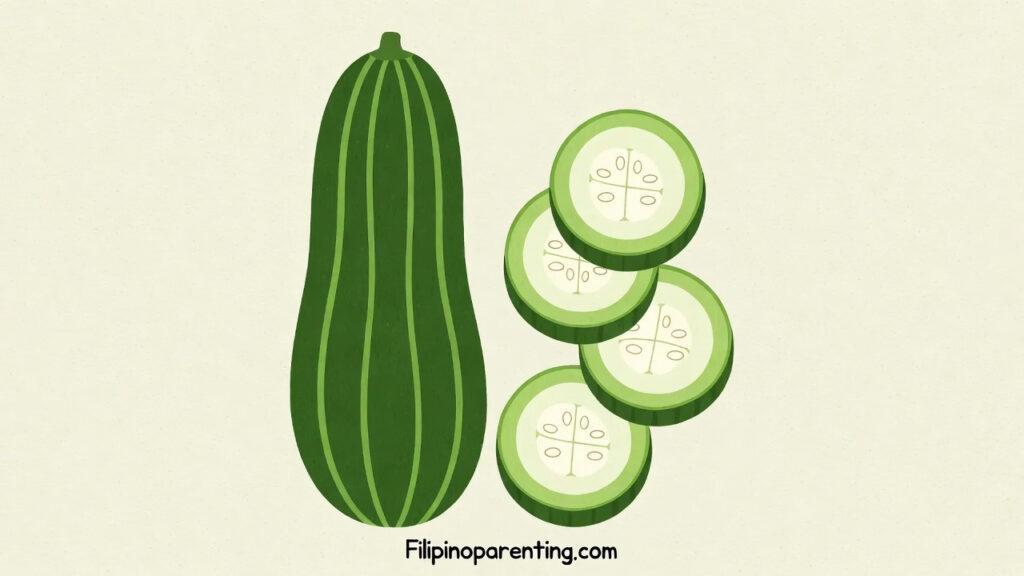
Table of Contents
1. Understanding Patola (Sponge Gourd/Loofah)
The Sponge Gourd in Tagalog refers to two varieties: the ridged gourd and the smooth gourd. It grows on climbing vines and is best enjoyed when the flesh is soft and slightly spongy.
As the vegetable matures, it becomes very fibrous. At this stage, it is no longer edible but is dried and used as a natural cleaning tool. In Filipino culture, nothing goes to waste, and the transition from a kitchen ingredient to a household tool is a perfect example of sustainability.
2. Essential Health Benefits of Patola
Consuming Sponge Gourd in Tagalog dishes provides more than just a great meal. This vegetable is packed with health benefits:
- Low in Calories: Perfect for maintaining a healthy weight.
- High Fiber Content: Excellent for digestion and gut health.
- Rich in Vitamins: It contains Vitamin C for immunity and Vitamin A for eye health.
- Hydrating: Since it has high water content, it helps keep the body hydrated.
For those interested in more healthy ingredients, you can explore our guide on herbs in Tagalog to complement your vegetable dishes.
3. Popular Culinary Uses in the Philippines
In Filipino cuisine, Patola is prized for its delicate texture. It absorbs the flavors of the broth, making every bite flavorful.
- Sinigang na Baboy sa Patola: A sour soup where the mild Patola balances the tangy tamarind broth.
- Ginisang Patola: A simple stir-fry with garlic, onions, and often shrimp or ground meat.
- Patola with Munggo: Adding this vegetable to mung bean soup creates a lighter, more nutritious meal.
If you are planning a meal, learning the names of kitchen utensils in Tagalog can make your cooking experience even more educational.
4. How to Prepare Sponge Gourd in Tagalog
Preparing Patola is straightforward. First, you must peel the tough, ridged skin using a vegetable peeler or knife. Once peeled, the white, soft flesh is revealed. You can then cut it into slices or cubes. It cooks very quickly, so it is usually added at the end of the cooking process to maintain its texture.
5. Growing Patola in the Garden
For families interested in Filipino vegetable gardening, Patola is a great choice. It requires a trellis or a fence to climb. Seeing the yellow flowers bloom into long green gourds is a wonderful way for the younger generation to learn where their food comes from.
6. Nutritional Profile of Patola
Every serving of Sponge Gourd in Tagalog recipes provides essential minerals like iron and magnesium. Iron is vital for red blood cell production, while magnesium supports nerve function. For more information on plant nutrition, you can visit CABI Digital Library or NutritionValue.org for detailed data.
7. Cultural Significance of the “Loofah”
The transformation of Patola into a bath sponge is a common sight in Filipino households. It reminds us of the resilience and versatility of nature. Just as we use beautiful Tagalog words to describe our values, the Patola represents our practical and resourceful way of life.
FAQ About Sponge Gourd in Tagalog
1. What is the English name for Patola?
The English names are Sponge Gourd, Ridged Gourd, or Loofah.
2. Is Patola good for weight loss?
Yes, it is very low in calories and fat while being high in water and fiber.
3. Why does Patola become a sponge?
As the vegetable matures on the vine, the soft flesh turns into a tough, fibrous network.
4. How do I choose the best Patola at the market?
Look for firm gourds that are not too heavy. Very heavy or large ones might be too mature and fibrous to eat.
5. Can I use Patola as a substitute for cucumber?
In cooked dishes, yes, but the texture is much softer once heated.
Conclusion
Understanding the Sponge Gourd in Tagalog opens up a world of healthy eating and cultural appreciation. From the garden to the kitchen, and eventually to the bath, Patola is a versatile gift of nature. By incorporating it into your family meals, you are not only eating healthy but also preserving a piece of Filipino heritage.