Philippines Independence Day Tagalog phrases are the heartbeat of every June 12 celebration. Whether you are a parent helping the younger generation with a school program, an OFW living abroad, or a traveler joining local festivities, understanding these terms connects you to the Filipino spirit.
Independence Day, or Araw ng Kalayaan, is a powerful celebration of freedom and national pride. It marks the 1898 declaration of independence from Spain and honors the ongoing spirit of bayanihan. Araw ng Kalayaan ay sa Biyernes, Hunyo 12—perpekto para sa family outings at flag-raising sa alas-otso! Maligayang paghahanda sa lahat!
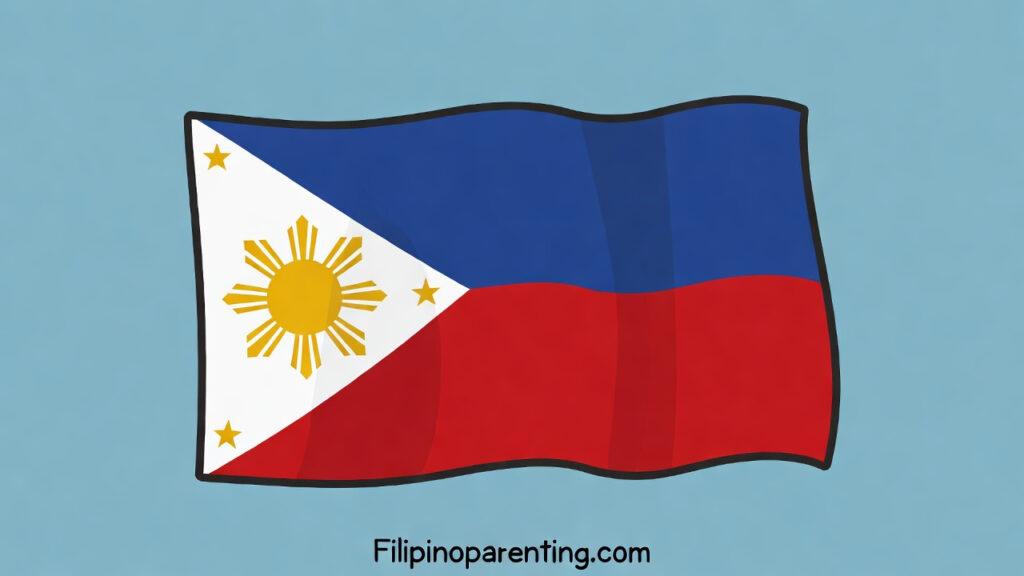
Table of Contents
🇵🇭 Core Philippines Independence Day Tagalog Phrases
To participate fully in the national holiday, you must know the foundational vocabulary. These terms describe the official events and the historical significance of the day. Using the right Philippines Independence Day Tagalog phrases helps maintain the solemnity and joy of the event.
- Araw ng Kalayaan – Independence Day (National holiday celebrating freedom).
- Watawat – Flag (The Philippine flag with sun, stars, blue, red, and white).
- Lupang Hinirang – Chosen Land (The Philippine national anthem).
- Pagtaas ng watawat – Flag raising (Ceremony held at 8:00 a.m.).
- Paradahan – Parade (Marching procession with bands).
- Bayani – Hero (National or everyday hero).
- Kalayaan – Freedom (State of being free from oppression).
- Rebolusyon – Revolution (The 1896 Philippine Revolution).
- Deklarasyon – Declaration (The 1898 declaration in Kawit).
- Pambansang pista opisyal – National holiday (Official non-working day).
Example core phrases:
- Tagalog: Maligayang Araw ng Kalayaan sa lahat!
- English: Happy Independence Day to everyone!
- Tagalog: Tataas ang watawat natin sa alas-otso.
- English: Our flag will be raised at 8 o’clock.
- Tagalog: Kanta natin ang Lupang Hinirang.
- English: Lupang Hinirang is our anthem.
Location: Place after the “Core Independence Day Words” section.
🎉 Celebration & Event Objects
Parades and school programs are filled with specific sights and sounds. Use these words to describe the beautiful Baro’t Saya or the music filling the streets during a paradahan.
- Seremonya ng watawat – Flag ceremony.
- Banda – Band (Marching band).
- Karosa – Float (Decorated vehicle in parades).
- Kostyum – Costume (Historical outfits).
- Paputok – Fireworks.
- Programa – Program (School or community event).
- Talumpati – Speech (Patriotic address).
- Pambansang awit – National anthem.
- Korona ng bulaklak – Wreath.
- Monumento – Monument (Statues of heroes).
Example celebration phrases:
- Tagalog: Makukulay ang kostyum sa paradahan.
- English: The costumes in the parade are colorful.
- Tagalog: Ipagdiwang natin ang ating kalayaan!
- English: Let’s celebrate our freedom!
- Tagalog: Naglagay kami ng wreath sa monumento ni Rizal.
- English: We laid a wreath at the Rizal monument.
If you are hosting a gathering, consider serving Canned Tuna Lumpia or traditional Palitaw. For more cultural context, explore our guide on National Symbols of the Philippines.
🇵🇭 Patriotic & Pride Phrases
Expressing your feelings about your heritage is an important part of the holiday. These terms highlight the values of Bayanihan and resilience.
- Proud na Pinoy – Proud to be Pinoy.
- Bayanihan – Community spirit.
- Bayan – Nation/Homeland.
- Laban – Fight/Struggle.
- Tiyaga – Perseverance.
- Salamat sa mga bayani – Thank you to the heroes.
- Mabuhay ang Pilipinas! – Long live the Philippines!
- Ipagdiwang natin ang kalayaan – Let’s celebrate freedom.
- Bayan muna bago sarili – Nation first before self.
Example pride phrases:
- Tagalog: Bayanihan ang lakas natin bilang Pilipino.
- English: Bayanihan is our strength as Filipinos.
- Tagalog: Salamat sa mga bayani ng kalayaan.
- English: Thank you to the heroes of independence.
- Tagalog: Proud na Pinoy ako!
- English: I’m proud to be Pinoy!
For more inspiration, read our Inspirational Tagalog Strength Quotes or learn about the Narra Tree, a symbol of Filipino strength. Understanding our history is essential, and you can find detailed historical records through the Official Gazette of the Philippines or educational archives at National Geographic.
FAQ: Common Questions About June 12
What is the focus of Philippines Independence Day Tagalog celebrations?
The focus is on celebrating the declaration of independence from Spanish rule in 1898. It is a time to honor the bayani who fought for the bayan.
How do you say Happy Independence Day in Tagalog?
You say, “Maligayang Araw ng Kalayaan!”
What time is the flag ceremony?
Traditionally, the pagtaas ng watawat happens at exactly 8:00 a.m. across the country.
Why is the national anthem important?
The Lupang Hinirang is the musical embodiment of Filipino history and pride, sung at every official programa.
Conclusion: Celebrating Araw ng Kalayaan with Pride and Heart
Maraming salamat for exploring these Philippines Independence Day Tagalog phrases. These beautiful terms—kalayaan, watawat, bayani, and bayanihan—capture the resilient, freedom-loving heart of the Filipino people.
We hope this guide helps you feel more connected to your identity this June 12. Whether you are raising the watawat with your family, singing the Lupang Hinirang, or simply saying “Maligayang Araw ng Kalayaan!” with pride, every word you use keeps our history and values alive.
Ipagdiwang natin ang ating kalayaan with joy, gratitude, and bayanihan. Mabuhay ang Pilipinas!