Cow in Tagalog is one of the most practical animal terms you can learn, especially if you plan on visiting the beautiful provinces of the Philippines. If you’re learning Tagalog, teaching beginners about farm animals, or exploring rural areas, the word for cow is baka (pronounced BAH-kah). This is the standard, native, and most widely used Tagalog term for cows—both dairy cattle and beef cattle.
In everyday speech and family stories across the Philippines, baka is the word you’ll hear everywhere. You might hear someone say, “May baka sa bukid!” (There’s a cow in Tagalog in the field!) or “Ang baka ay nagbibigay ng gatas” (The cow gives milk!). This term is essential for parents and the younger generation to master when discussing Philippine agriculture.
Table of Contents
What Is Cow in Tagalog? Pronunciation and Basics
Baka is the core word for cow in Tagalog. While it usually refers to female cattle, it is often used broadly for all cattle. Bulls are technically called toro, while the younger generation of cattle (calves) are called guyong or bikoy. Pronunciation is BAH-kah—short, strong, and easy to say.
Common distinctions in everyday Tagalog:
- Baka = Cow (general)
- Mga baka = Cows / cattle (plural)
- Baka na nagbibigay-gatas = Dairy Cow
- Baka sa bukid = Farm Cow / Field Cow
- Guyong = Calf / Baby Cow
In the Philippines, cows are a common sight in rural areas. They are used for plowing rice fields, producing milk, and as a steady source of labor. For more on local animals, check out our guide on mammals in Tagalog.
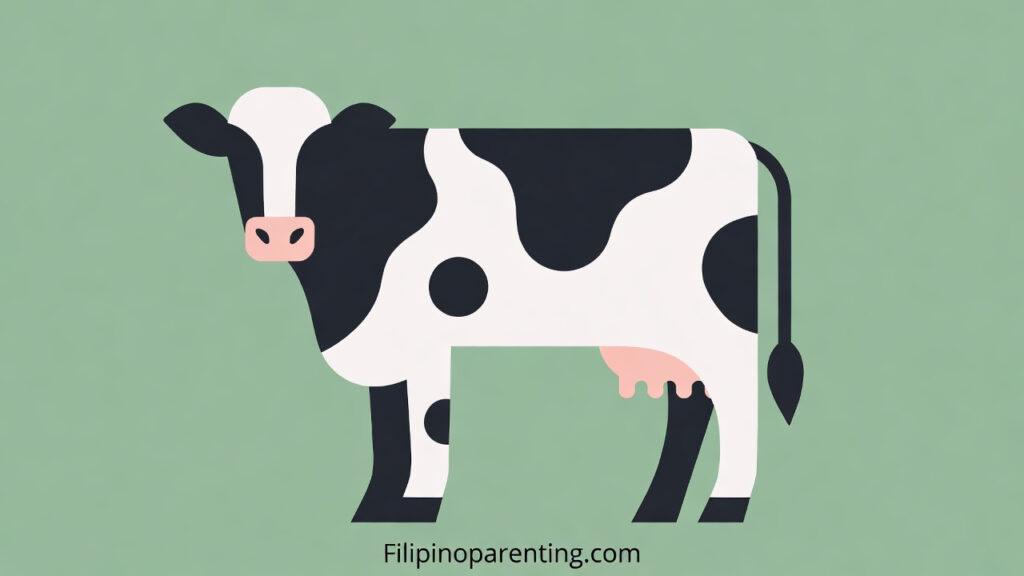
Fascinating Facts About Baka in Philippine Life & Culture
The cow in Tagalog is central to the Filipino rural economy. While the Carabao is the most famous for plowing, baka (especially native breeds) are raised for milk and meat. Dairy farming is a growing industry in provinces like Batangas and Bukidnon. Fresh gatas ng baka (cow’s milk) is a prized local product used for treats like pastillas.
In Filipino culture, baka symbolize strength and patience. Many beginners find it funny that the word baka also means “maybe” in Tagalog (as in “Baka umulan” = Maybe it will rain). It’s a fun coincidence that makes the language even more interesting to learn! Understanding these animals is a great way to explore Filipino wildlife.
How to Use Baka in Everyday Tagalog: 12 Example Sentences
Here are 12 practical sentences using baka. These are perfect for farm visits, teaching families, or rural storytelling.
- Ang baka ay nagbibigay ng gatas araw-araw. (The cow gives milk every day.)
- Sa bukid, maraming baka na tumutulong sa pag-aararo. (In the field, there are many cows helping with plowing.)
- Gusto ng mga magulang na pakainin ang baka ng damo. (The parents want to feed the cow grass.)
- Paano alagaan ang baka sa mainit na panahon? (How do you take care of a cow in hot weather?)
- Ang baka ay may malaking katawan at mahabang buntot. (The cow has a large body and a long tail.)
- Sa umaga, naririnig mo ang ungol ng baka sa kuwadra. (In the morning, you can hear the cow mooing in the barn.)
- Huwag kang lumapit nang masyado sa baka kung hindi mo kilala. (Don’t get too close to the cow if you don’t know it.)
- Sa probinsya, ang gatas ng baka ay sariwa at masustansya. (In the province, cow’s milk is fresh and nutritious.)
- Nakakatuwa panoorin ang baka na kumakain ng damo. (It’s fun to watch the cow eating grass.)
- Sa kwentong bayan, ang baka ay madalas na mabait at matiyaga. (In folk stories, the cow is often kind and patient.)
- Ang guyong (baby baka) ay napaka-cute kapag tumatalon. (The calf is very cute when it jumps.)
- Gusto kong mag-alaga ng baka sa bukid. (I want to raise a cow on the farm.)
Baka in Filipino Culture and Daily Rhythms
The cow in Tagalog represents the warmth and sincerity of life in the Philippines. In many barrios, owning a baka is a sign of hard work and prosperity. The presence of these gentle giants in the field is a living experience of the connection between families and the land. You can find more about these peaceful rural moments in our deep Tagalog nighttime reflections.
In modern agriculture, organizations like the National Dairy Authority work to improve the dairy industry in the Philippines. Globally, groups like The Livestock Conservancy help protect heritage breeds of cattle.
Related Tagalog Vocabulary for Farm Animals
- Cow = Bbaka
- Calf = Guyong
- Milk = Gatas
- Horn = Sungay
- Farm = Bukid
- Plow = Araro
Try saying: “Ang baka ay may sungay at malakas na buntot.” (The cow has horns and a strong tail.)
FAQ About Baka in Tagalog
What is the Tagalog word for cow?
Baka — the standard term for cows and cattle.
How do you pronounce baka?
BAH-kah (stress on the first syllable).
What sound does a cow make in Tagalog?
Unga! — this is the traditional Filipino “moo.”
How to say “dairy cow” in Tagalog?
Baka na nagbibigay-gatas — this is very clear and commonly used.
Conclusion
Understanding the cow in Tagalog connects you to the heart of Filipino rural life. From the fields where baka graze to the fresh milk on a breakfast table, these animals represent provision and togetherness. Next time you see a cow or hear that familiar unga, say “Tingnan mo ang baka!” and share the moment. Learning Tagalog through farm life makes the language feel real and full of heart. Keep practicing and explore more creature vocabulary!