Bat in Tagalog is the perfect way to start exploring the diverse wildlife of the Philippines. If you are learning the language or exploring Philippine nature, the word for bat (the flying mammal) is paniki (pronounced pah-NEE-kee). This is the standard, native, and most widely used Tagalog term for all bats — from small fruit bats to large flying foxes.
In everyday speech, rural conversations, and nature talks across the Philippines, paniki is the word you’ll hear everywhere. You might hear someone say, “May paniki sa puno ng mangga!” (There’s a bat in Tagalog in the mango tree!) or “Ang paniki ay lumilipad sa gabi” (Bats fly at night!).
Table of Contents
What Is Bat in Tagalog? Pronunciation and Basics
Paniki is the core word for bat in Tagalog. It is used for all species, including fruit bats (paniking prutas), insect-eating bats, and the large flying foxes (paniking malaki). Pronunciation is pah-NEE-kee — say it with a clear “pah” and emphasis on the second syllable.
Common distinctions in everyday Tagalog:
- Paniki = Bat (general)
- Mga paniki = Bats (plural)
- Paniki sa gabi = Night Bat / Nocturnal Bat
- Paniking prutas = Fruit Bat
- Paniking malaki = Flying Fox
In the Philippines, bats are abundant in forests, caves, and orchards. Many roost in trees or caves during the day and fly out at dusk to feed. For more on local animals, check out our guide on mammals in Tagalog.
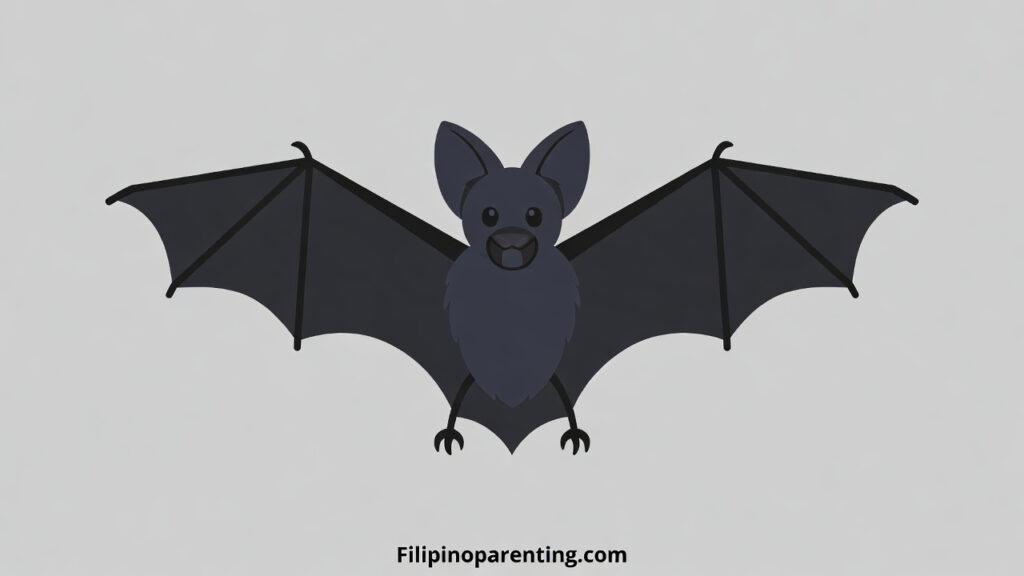
Fascinating Facts About Paniki in Philippine Wildlife
The Philippines is a global hotspot for bat diversity. Species like the giant golden-crowned flying fox are found in Mindanao and Palawan. This variety is a key part of Filipino wildlife.
Fruit bats play a vital role in pollination and seed dispersal — many forest trees depend on them. Insect-eating bats help control mosquitoes and agricultural pests. This makes the bat in Tagalog a hero of the local ecosystem. According to Bat Conservation International, bats are essential for healthy environments worldwide.
How to Use Paniki in Everyday Tagalog: 12 Example Sentences
Here are 12 practical sentences using paniki. These are perfect for nature talks, storytelling, or casual wildlife chats.
- Ang paniki ay lumilipad sa gabi at natutulog sa araw. (Bats fly at night and sleep during the day.)
- Nakakita ako ng maraming paniki sa loob ng kuweba. (I saw many bats inside the cave.)
- Sa probinsya, maraming paniki sa puno ng mangga. (In the province, there are many bats in mango trees.)
- Paano makilala ang paniki sa ibon? (How do you distinguish a bat from a bird?)
- Ang paniking malaki ay may pakpak na parang payong. (The large flying fox has wings like an umbrella.)
- Huwag kang takutin ang paniki — hindi sila umaatake sa tao. (Don’t scare the bats — they don’t attack people.)
- Ang paniki ay kumakain ng prutas at insekto. (Bats eat fruit and insects.)
- Sa kwentong bayan, ang paniki ay madalas na misteryoso. (In folk stories, bats are often mysterious.)
- Nakakatuwa panoorin ang paniki na lumilipad sa takipsilim. (It’s fun to watch bats flying at dusk.)
- Sa conservation, pinoprotektahan ang pugad ng paniki sa kuweba. (In conservation, bat roosts in caves are protected.)
- Ang paniki ay mahalaga sa polinasyon ng mga puno. (Bats are important for pollinating trees.)
- Gusto kong makita ulit ang kawan ng paniki sa gabi. (I want to see the bat colony again at night.)
Paniki in Filipino Culture and Conservation
The bat in Tagalog represents a living experience of nature. In rural areas, their silhouettes at dusk are part of the night soundscape. You can find more about these quiet moments in our deep Tagalog nighttime reflections.
In modern conservation, bats are protected in key sites like the Subterranean River caves. Organizations like the Philippines Biodiversity Conservation Foundation work to protect these vital species and their habitats.
Related Tagalog Vocabulary
- Bat = Paniki
- Wing = Pakpak
- Cave = Kuweba
- Night = Gabi
- Flock = Kawan
FAQ About Paniki in Tagalog
What is the Tagalog word for bat?
Paniki — the standard term for all bats.
Are bats dangerous in the Philippines?
Most are harmless. Fruit bats eat fruit, and insect-eaters eat bugs.
How to say “bat wings” in Tagalog?
Pakpak ng paniki — very clear and commonly used.
Conclusion
Understanding the bat in Tagalog helps us appreciate the hidden wonders after sunset. From rural orchards where fruit bats pollinate trees to conservation sites, paniki remind us that life becomes richer when it is shared with nature. Next time you see a silhouette against the moon, say “Tingnan mo ang paniki!” and enjoy the magic.