Understanding how to describe symptoms in Tagalog is an essential skill for learners and parents navigating health situations in the Philippines. Whether you are at a local clinic or helping the younger generation understand their own health, knowing these terms ensures that important information is never lost in translation. In Filipino culture, being able to express physical discomfort accurately is a way to ensure that families and the community can provide the necessary support.
[!CAUTION]
Medical Disclaimer: This information is for general educational purposes only and does not constitute a medical diagnosis or professional medical advice. Always seek the advice of a physician or other qualified health provider with any questions you may have regarding a medical condition.
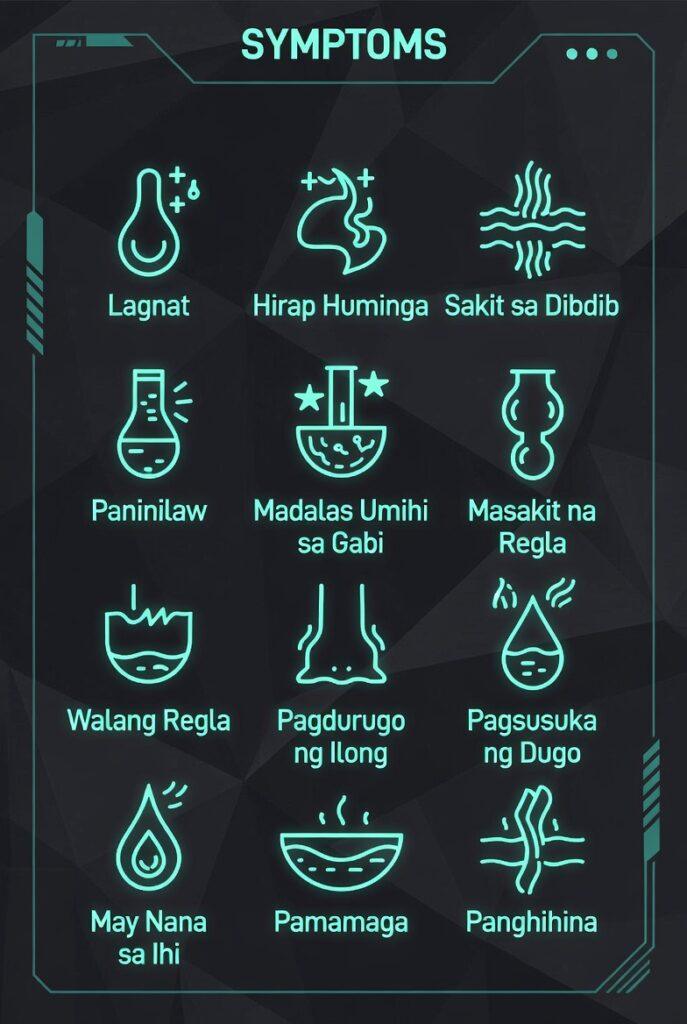
Table of Contents
Why You Need to Master Symptoms in Tagalog
Being able to clearly state your symptoms in Tagalog is vital during medical emergencies. Medical professionals at The Mayo Clinic emphasize that accurate symptom reporting is the first step toward a correct diagnosis. Furthermore, as noted by WebMD, recognizing early signs of illness can significantly improve health outcomes.
Common Tagalog Words for Illness and Pain
Here is the verified vocabulary you should use when describing symptoms in Tagalog:
| Tagalog Term | English Translation |
| Sakit | Illness or Sickness / Pain |
| Lagnat | Fever |
| Ubo | Cough |
| Hika | Asthma |
| Sipon | Cold / Mucous |
| Suka | Vomit |
| Sugat | Wound |
| Nagtatae | Diarrhea |
| Makati | Itchy |
| Nahihilo | Dizzy |

Describing Your Condition: Useful Phrases
To effectively communicate your symptoms in Tagalog, practice these “Real-Talk” sentence patterns:
- May lagnat ka ba? – Do you have a fever?
- Ano ang nararamdaman mo? – What do you feel?
- Masama ang pakiramdam ko. – I’m not feeling well.
- May sakit ako. – I’m sick or I’m ill.
- Masakit ang ulo ko. – My head hurts (I have a headache).
- Barado ang ilong ko. – My nose is clogged.
- Nasusuka ako. – I feel nauseous.
What is “Trangkaso”?
In many conversations, you might hear the word trangkaso. While it is often translated as “flu,” in daily Tagalog use, it is a broader term. A person might say “May trangkaso ako” to mean they have the flu, a fever, or simply feel generally weak and ill. It is the go-to term for that “under the weather” feeling that often requires bed rest.

Taking Action for Recovery
When you or a family member displays symptoms in Tagalog, knowing the right action words is just as important as knowing the illness:
- Kailangan mong magpahinga. – You need to take some rest.
- Kailangan mong uminom ng gamot. – You need to take medicine.
- Kailangan mong pumunta sa ospital. – You need to go to the hospital.
Frequently Asked Questions
- How do I say “it hurts” in Tagalog?You can say “Aray!” for “Ouch!” or “Masakit” to mean “It is painful.”
- What is the Tagalog word for itchy skin?Itchy skin is makati ang balat.
- How do you ask someone if they are okay?You can ask, “Okay ka lang ba?”
- How do you say “Get well soon”?The phrase is “Pagaling ka agad.”
Conclusion
Mastering the vocabulary for symptoms in Tagalog is a powerful tool for health and daily life. By using the correct terms for pain and illness, you can ensure better care for yourself and your loved ones. For more cultural and language guides, visit our posts on Health in Tagalog or learn more about the Hospital in Tagalog context to further your learning!