The Filipino parol star is more than just a colorful decoration—it’s a symbol of hope, faith, and the resilient Filipino spirit. Traditionally crafted as a star-shaped lantern, the parol lights up homes and streets across the archipelago, marking the start of the world’s longest Christmas season.
In this guide, we’ll explore the history, the deep symbolic meaning, and how the “Ber” months transform the Filipino home into a hub of light and legendary hospitality.
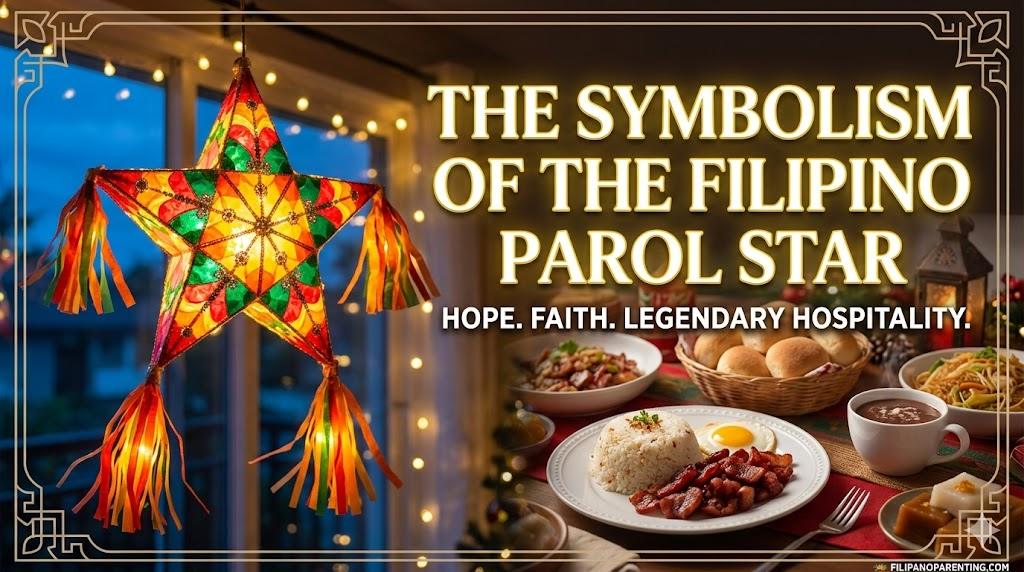
Table of Contents
What is a Filipino Parol Star?
The word parol is derived from the Spanish word farol, meaning “lantern.” It represents the Star of Bethlehem that guided the Three Wise Men to the manger. While it began as a simple light to guide practitioners to early morning Simbang Gabi (Midnight Mass), it has evolved into a masterpiece of Filipino craftsmanship.
Today, these lanterns are centerpieces of Filipino identity. Whether made of traditional bamboo or shimmering capiz shells (windowpane oysters), the Filipino parol star is a beacon that says: “You are welcome here.”
The Symbolism Behind the Filipino Parol Star
For every Filipino, hanging a parol is a bold declaration of joy. It isn’t just about aesthetics; every element of the design carries a deep, traditional meaning that resonates with our heritage and sense of Pinoy Pride:
- The Five-Pointed Star: This is the heart of the design, representing the Star of Bethlehem. It serves as a reminder of the light of the Nativity and the ultimate triumph of light over darkness.
- The Radiating Tails: These tassels (or buntot) mimic rays of light. They symbolize hope and the spirit of goodwill spreading from the home out into the entire community.
- The Light Within: Historically provided by candles or oil lamps—and now vibrant LEDs—this glow symbolizes the warmth of the Filipino spirit and our culture of Bayanihan (community unity).
Understanding the star is the first step in embracing our heritage. To dive deeper into the language of the season and learn how to share these wishes with your loved ones, check out our Tagalog Christmas Greetings Guide for parents, beginners, and families.
“Kain Tayo”: Hospitality Under the Light of the Parol
In the Philippines, the light of the Filipino parol star is almost always an invitation to eat. Food is the basis of social life, and our hospitality is “Real-Talk” legendary. If you are visiting a Filipino home during the holidays, the parol is the signal that the table is set.
The 5-Meal Filipino Day
Filipinos are famous for having five distinct mealtimes. During the Christmas season, these are observed with even more fervor. Use this table as a quick Tagalog vocabulary guide for your next family gathering:
| Tagalog Term | English Translation | Typical Dishes |
| Almusal | Breakfast | Sinangag (Garlic Fried Rice), Itlog (Egg), and Tocino |
| Segundo Almuerzo | Second Breakfast | Small snacks, Pandesal, or coffee |
| Pananghalian | Lunch | Rice with entrees like Pork Adobo or Sinigang |
| Merienda | Afternoon Snack | Kakanin (Rice Cakes), Pansit, or Lumpia |
| Hapunan | Dinner | The main communal meal featuring holiday Lechon |
Real-Talk: The Etiquette of the Filipino Feast
If you are a guest or a learner navigating a Filipino home, keep these cultural nuances in mind:
- The “Polite” Decline: It is culturally expected to decline the first invitation to eat. A polite excuse (like “I just ate”) allows you to gauge if the host is being sincere. When they ask a second or third time, the invitation is genuine—dig in!
- No Courses, Just Community: Unlike Western dining, all dishes—from the soup to the iconic Lechon (roasted pig)—are laid out simultaneously.
- The Spoon & Fork Mastery: Knives are rarely used. We use a spoon in the right hand and a fork in the left to expertly push food onto the spoon.
- Leaving a “Satisfied” Plate: It is common to leave a small morsel of food on the plate to indicate you are full and well-catered for.
Many of these traditions are best shared over a meal. You can find more about our favorite holiday dishes and phrases in our Essential Tagalog Food Vocabulary post.
Modern Artistry: Beyond Bamboo and Paper
The evolution of the Filipino parol star reflects the growth of the nation. While the “Real-Talk” roots are in bamboo and papel de hapon, the modern Filipino parol star found in homes today often showcases high-end craftsmanship and sustainable materials:
- Capiz Shell Lanterns: Made from the shells of windowpane oysters, a Capiz Filipino parol star creates a soft, pearlescent glow. These are often the centerpiece of a home, especially when families gather to share Maligayang Pasko greetings with loved ones.
- Electronic LED Parols: These are giant, high-tech versions of the Filipino parol star (especially from San Fernando, Pampanga) that dance in synchronization with Christmas carols. They represent the festive energy you’ll find at any major Filipino food celebration during the holidays.
- Recycled Art: In a culture of upcycling, many families create a stunning Filipino parol star from soda cans, plastic bottles, and native husks. This creativity is a point of Pinoy Pride, much like the resilience shown in our traditional Filipino life lessons and proverbs.
Frequently Asked Questions (FAQ)
What does the Filipino parol star symbolize?
It symbolizes the Star of Bethlehem, hope, and the victory of light over darkness. It is a reminder that even in hard times, the Filipino spirit remains bright.
When should I hang a parol?
Traditionally, parols go up in September (the start of the “Ber” months) and stay lit until the Feast of the Three Kings in January.
Is the parol only a religious symbol?
While rooted in faith, it has become a cultural icon of Pinoy Pride. For the younger generation living abroad, it is a way to claim their heritage and identity.
Conclusion: Light and Food, the Heart of the Home
The Filipino parol star is a timeless beacon of unity. It bridges the gap between our history and our modern lives. Whether it hangs in a window in Manila or a suburb in the West, it represents the heart of the Filipino home: full of light, open to all, and—most importantly—always ready with a plate of food.
Bring the Light of the Parol to Your Home!
Do you have a Filipino parol star hanging in your window this year? We’d love to see it! Share a photo of your holiday setup or your favorite Noche Buena dish on Instagram and tag us. We love seeing how our community keeps these traditions alive.
Your Filipino Culture & Feast Cheat Sheet
Want to share these traditions with the younger generation? Use the guide below during your next family gathering to practice your Tagalog and honor our heritage.
Essential Phrases for the Dinner Table:
- “Kain tayo!” – Let’s eat! (The ultimate Filipino invitation).
- “Masarap!” – Delicious!
- “Busog na ako.” – I am full.
- “Gusto mo pa?” – Do you want more? (A classic Pinay Mom question!)
For a deeper dive into these terms, don’t miss our Essential Tagalog Food Vocabulary list, where we break down the names of every dish on your holiday table.