Calamansi in Tagalog is spelled kalamansi (also commonly written as calamansi).
In the heart of Filipino kitchens, kalamansi is a cherished citrus fruit known for its tangy flavor and versatility. Often compared to limes or lemons, this small fruit holds a special place in Filipino culture. Whether used in marinades, dipping sauces, soups, or refreshing drinks, kalamansi adds a bright citrusy zest to any dish.
Beyond cooking, kalamansi is also valued for its health benefits, making it a staple in many Filipino homes.
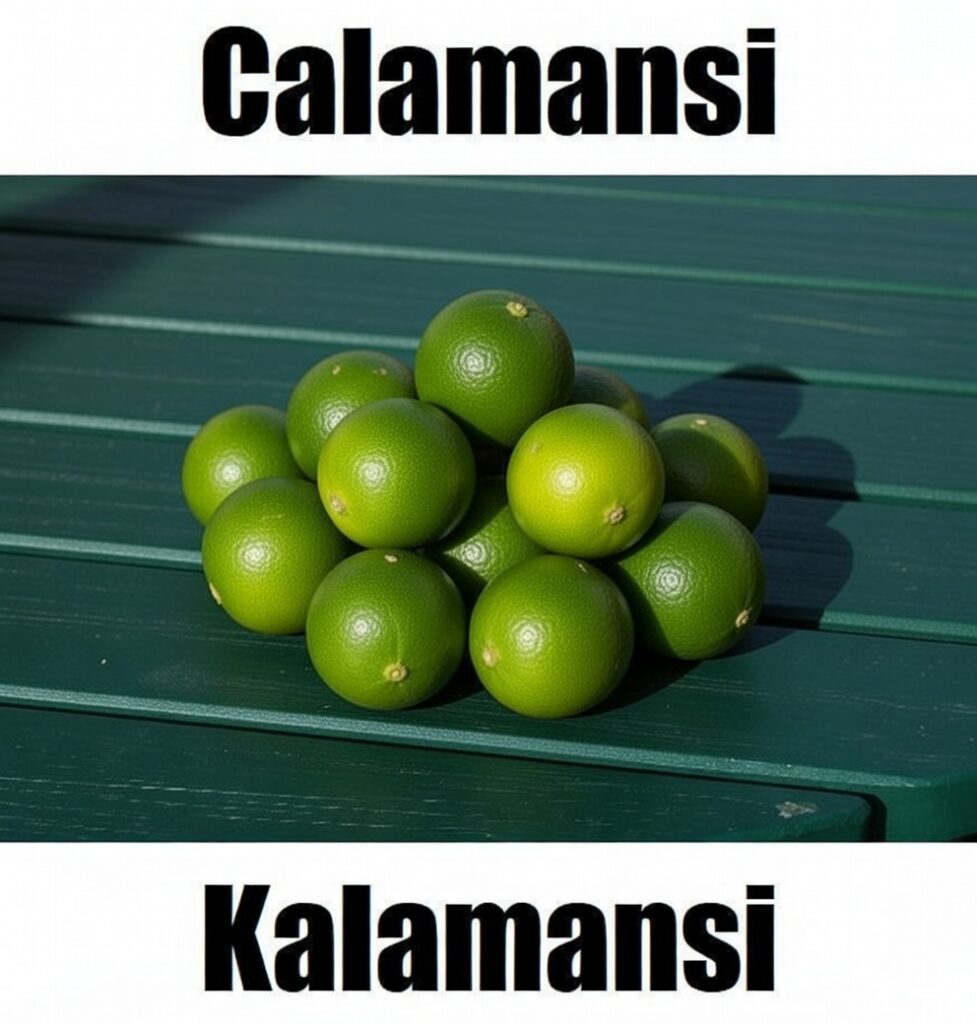
Table of Contents
What Is Calamansi?
Kalamansi is a small, round citrus fruit native to Southeast Asia, especially the Philippines.
Its scientific name is Citrus microcarpa.
It is believed to be a hybrid between a mandarin orange and a lime, which gives it a unique flavor that is both tart and slightly sweet.
Color: Green when unripe, deep orange when ripe
Taste: Sour with a hint of sweetness
Common Nickname: “Filipino lime”
Calamansi Vocabulary Words
Learning Calamansi in Tagalog vocabulary words helps you confidently describe this popular Filipino citrus fruit in everyday conversations. Calamansi, known locally as kalamansi, is widely used in Filipino cooking, traditional drinks, and home remedies. Because it plays such an important role in Filipino cuisine and culture, understanding the correct English and Tagalog terms expands both your language skills and cultural knowledge.
Below is a carefully selected list of essential vocabulary words related to Calamansi in Tagalog, including terms about taste, health benefits, planting, harvesting, and common kitchen uses. These words are frequently used in markets, households, and food preparation across the Philippines, making them practical for students, parents, and Filipino language learners.
| # | English | Tagalog |
|---|---|---|
| 1 | Calamansi | Kalamansi |
| 2 | Citrus Fruit | Prutas na Sitrus |
| 3 | Juice | Katas |
| 4 | Peel | Balat |
| 5 | Seed | Buto |
| 6 | Tree | Puno |
| 7 | Sour | Maasim |
| 8 | Sweet | Matamis |
| 9 | Vitamin C | Bitamina C |
| 10 | Sauce | Sarsa / Sawsawan |
| 11 | Marinade | Pinaatsara |
| 12 | Soup | Sabaw |
| 13 | Drink | Inumin |
| 14 | Orchard | Halamanan |
| 15 | Harvest | Ani |
| 16 | Planting | Pagtatanim |
| 17 | Backyard | Likod-bahay |
| 18 | Market | Palengke |
| 19 | Fresh | Sariwa |
| 20 | Healthy | Masustansya |
Mastering these Calamansi in Tagalog vocabulary words strengthens your Filipino language skills while helping you better understand how this citrus fruit is described in daily life. From basic terms like katas (juice) and balat (peel) to health-related words like Bitamina C and masustansya, these translations allow you to speak more naturally about food, nutrition, and Filipino traditions.
By practicing these words regularly, you will improve your Tagalog vocabulary, enhance fluency, and gain deeper insight into how Calamansi in Tagalog connects to Filipino cooking, local markets, backyard gardening, and everyday conversation.
How Is Calamansi Used in Filipino Cuisine?
Kalamansi is extremely versatile in Filipino cooking. Here are some of the most common ways it is used:
1. Dipping Sauces
Kalamansi juice is often mixed with soy sauce, fish sauce, or bagoong to create a tangy dip.
It is commonly paired with dishes like:
- Lumpia
- Sisig
- Grilled meats
Its acidity balances rich and savory flavors.
2. Marinades
Kalamansi juice is used to marinate meats such as:
- Adobo
- Lechon kawali
- Grilled fish
The citrus juice tenderizes meat and adds fresh flavor.
3. Sinigang
Kalamansi can be used as an alternative souring agent in Sinigang.
It gives the broth a fresh tangy kick that pairs well with pork, shrimp, or fish.
4. Drinks and Juices
Kalamansi juice is a popular refreshing drink in the Philippines. It is often:
- Mixed with water and sugar
- Added to iced tea or cocktails
- Made into calamansi lemonade
Because of the country’s tropical climate, kalamansi juice is especially popular during hot weather.
5. Baking and Desserts
Kalamansi is also used in sweets such as:
- Calamansi cheesecake
- Calamansi muffins
- Calamansi pie
Its tart flavor adds a refreshing twist to desserts.
Health Benefits of Calamansi
Kalamansi is not only flavorful but also packed with nutrients.
Rich in Vitamin C
Kalamansi is high in Vitamin C, which helps boost immunity and fight infections.
Supports Digestion
Its acidity stimulates digestive juices and may help relieve bloating or indigestion.
Detoxifies the Body
Kalamansi contains antioxidants that help flush toxins and support liver health.
Promotes Skin Health
Vitamin C supports collagen production, improving skin elasticity and overall skin health.
May Aid Weight Loss
Many Filipinos drink warm water with kalamansi in the morning as part of a detox routine.
Anti-Inflammatory Properties
It contains natural compounds that may help reduce inflammation.
How to Use Calamansi in Your Kitchen
Here are easy ways to use kalamansi at home:
- Fresh Juice: Cut in half and squeeze into water or tea.
- Zest and Juice: Add to dressings, soups, and baked goods.
- Frozen Juice Cubes: Freeze juice in ice trays for future use.
- Preserved Kalamansi: Make syrup or pickle for condiments.
- Garnish: Serve alongside grilled dishes or soups.
Commonly Used Example Phrases in Tagalog
Understanding how Calamansi in Tagalog is used in real-life sentences helps learners speak more naturally and confidently in everyday situations. Kalamansi is a staple in Filipino households, commonly added to soy sauce, grilled dishes, soups, pancit, and refreshing drinks. Because of its strong sour flavor and rich Vitamin C content, it frequently appears in daily conversations about food, cooking, and home remedies.
Below are practical and natural example sentences that show how Calamansi in Tagalog is used in Filipino cuisine, markets, backyard gardening, and family meals. These phrases are useful for students, parents, travelers, and anyone learning Filipino vocabulary related to food and culture.
- Add calamansi to the soy sauce.
Maglagay ka ng kalamansi sa toyo. - Squeeze some calamansi on the pancit.
Pigaan mo ng kalamansi ang pancit. - I like my fish with calamansi and salt.
Gusto ko ang isda na may kalamansi at asin. - Calamansi juice is good for a sore throat.
Mabisa ang katas ng kalamansi para sa masakit na lalamunan. - We use calamansi for our dipping sauce.
Gumagamit kami ng kalamansi para sa sawsawan. - This dish tastes better with calamansi.
Mas masarap ang ulam na ito kapag may kalamansi. - She sells fresh calamansi in the market.
Nagbebenta siya ng sariwang kalamansi sa palengke. - Put calamansi in the soup to make it sour.
Lagyan mo ng kalamansi ang sabaw para umasim. - I planted a calamansi tree in our backyard.
Nagtanim ako ng puno ng kalamansi sa aming bakuran. - Calamansi is often served with grilled pork.
Madalas ihain ang kalamansi kasama ng inihaw na baboy.
By practicing these example sentences, you will better understand how Calamansi in Tagalog is spoken in everyday Filipino conversation. From adding kalamansi to dipping sauces and grilled pork to using it in soup or juice for a sore throat, these phrases reflect real-life usage in the Philippines.
Regular practice of these sentences will improve your Tagalog fluency, expand your food-related vocabulary, and help you communicate more confidently about Filipino cuisine. Learning how Calamansi in Tagalog appears in natural dialogue makes your language skills more practical, culturally relevant, and easy to apply in daily life.
Frequently Asked Questions (FAQ)
1. What is calamansi in Tagalog?
Calamansi in Tagalog is spelled kalamansi.
2. What is the scientific name of calamansi?
The scientific name is Citrus microcarpa.
3. Can calamansi replace lemon or lime?
Yes. Kalamansi can be used as a substitute for lemon or lime in many recipes.
4. Is calamansi healthy?
Yes. It is rich in Vitamin C, antioxidants, and beneficial plant compounds.
5. How do you prepare calamansi?
Simply cut it in half and squeeze out the juice. The zest can also be used in cooking and baking.
Conclusion
Now you understand why Calamansi in Tagalog (kalamansi) is such an important fruit in Filipino homes. From savory dishes like sinigang and grilled meats to refreshing drinks, marinades, dipping sauces, and desserts, kalamansi adds a bright citrus flavor that enhances every meal.
Beyond its culinary versatility, calamansi is rich in Vitamin C, antioxidants, and essential nutrients that support immune health and overall wellness. This makes Calamansi in Tagalog not only a flavorful ingredient but also a nutritious addition to a balanced Filipino diet.
Whether used fresh from the backyard tree, bought from the local market, or squeezed into your favorite dish, kalamansi continues to play a meaningful role in Filipino cuisine, culture, and everyday conversation. By learning more about Calamansi in Tagalog, you gain both practical language skills and a deeper appreciation of this beloved tropical citrus fruit.