Understanding the neck in Tagalog is an essential skill for anyone navigating daily health conversations or learning the Filipino language. Since our well-being is often tied to how clearly we can communicate our needs, mastering the specific terms for this part of the body is more than just a vocabulary lesson. Whether you are discussing a stiff neck after a long day at the computer or explaining a specific discomfort to a professional, knowing the right words is vital.
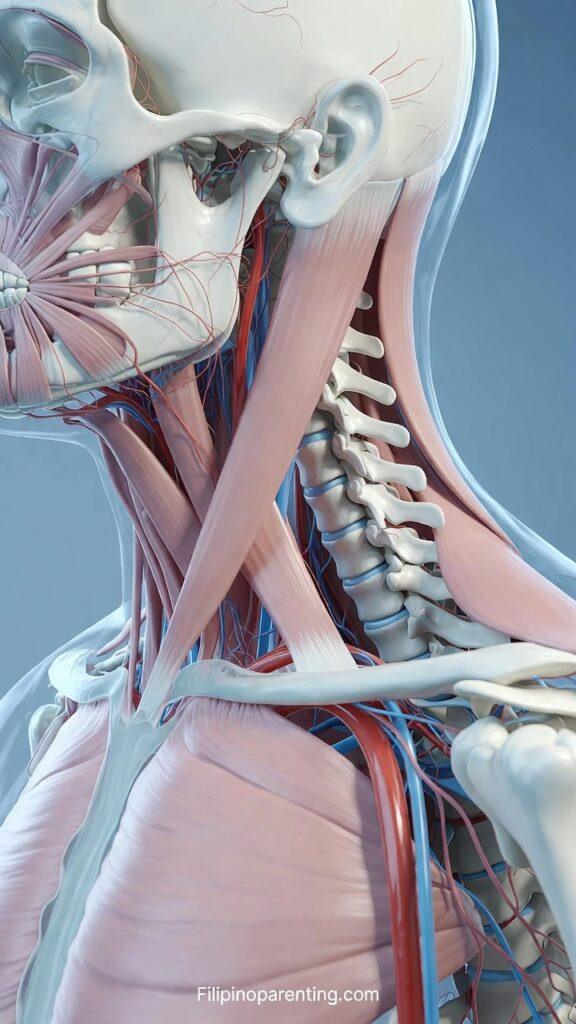
Table of Contents
Why Learn the Tagalog Word for Neck?
Neck pain has become increasingly common for many adults due to our modern lifestyle. Spending hours looking down at smartphones or sitting in front of workstations can lead to significant strain. In Filipino culture, we value clear communication, especially when it comes to family health.
Being able to use the term neck in Tagalog correctly allows you to explain symptoms quickly and accurately. This is especially helpful for parents or learners who want to be prepared for any medical situation. According to health resources like the Mayo Clinic, most neck pain is associated with poor posture. By learning the Tagalog terms, you can better engage with your community regarding these common issues.
Key Vocabulary for Neck in Tagalog
To build a solid foundation, focus on these specific terms and phrases. These have been verified for accuracy to ensure you are using the correct Filipino terminology as provided by native speakers.
- Leeg (LEH-eg) – Neck
- Sakit sa leeg (sa-KIT sa LEH-eg) – Neck pain
- Matigas ang leeg (MA-ti-gas ang LEH-eg) – Stiff neck

7 Fascinating Facts and Tips for Your Leeg
- The Word “Leeg” is Universal: In all Tagalog-speaking regions, leeg is the standard term used in both casual and formal health settings.
- Posture and Communication: Using the term neck in Tagalog helps you participate in “Bayanihan” (community spirit) by looking out for the physical health of those around you.
- Matigas ang Leeg: This phrase literally means “hard neck,” which perfectly describes the physical sensation of a stiff neck.
- Describing Symptoms: When you visit a clinic, saying “Sakit sa leeg” is the fastest way to get help for cervical discomfort. You can find more symptoms in Tagalog to help your description.
- Anatomical Connections: The leeg connects the head to the rest of the body. For more related terms, view our guide on parts of the head and face in Tagalog.
- Ergonomics at Home: Maintaining good posture is a proactive way to avoid pain. Experts at Healthline suggest regular stretching to prevent chronic issues.
- Sincere Care: In the Philippines, asking about someone’s leeg after they have been working hard is a sign of “pagmamalasakit” or sincere empathy.
Practice Sentences for Everyday Use
Using these words in a sentence helps reinforce your learning. Here are three practical examples involving the neck in Tagalog:
- Masakit ang leeg ko. (My neck hurts.)
- Matigas ang leeg niya. (His/Her neck is stiff.)
- Ehersisyo para sa leeg. (Exercise for the neck.)
These sentences are perfect for beginners who need to express physical feelings or describe the condition of a family member. For a broader view, our overview of body parts in Tagalog covers everything from head to toe.

Frequently Asked Questions (FAQ)
How do you say “stiff neck” in Tagalog?
The most common way to say stiff neck is matigas ang leeg.
What is the literal translation of leeg?
The literal translation of leeg is neck.
Is there a specific word for the back of the neck?
While leeg covers the general area, Filipinos often use specific descriptions for pain locations, but for beginners, leeg is the standard and correct term.
Final Thoughts on Neck in Tagalog
Mastering the word for neck in Tagalog is a simple yet powerful step in your language journey. It ensures you are ready for health-related discussions and helps you connect more deeply with the Filipino way of life, which is rooted in kindness and togetherness. To expand your medical vocabulary further, be sure to check out our health vocabulary word list and our guide on Tagalog medical emergency words.