Dragonfly in Tagalog is tutubi.
If you are learning Filipino vocabulary or exploring Philippine wildlife, understanding the meaning of dragonfly in Tagalog helps you connect language with nature.
Dragonflies are fast-flying insects commonly found near rivers, ponds, rice fields, farms, and even urban gardens across the Philippines. Beyond their beauty, they play an important ecological role by helping control mosquito and small insect populations.
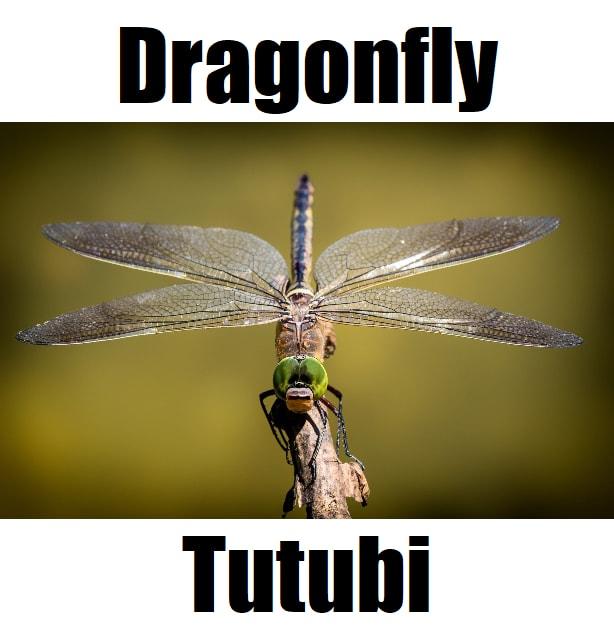
Table of Contents
Scientific Name of Dragonfly in the Philippines
When people search for the scientific name of dragonfly in the Philippines, it’s important to understand that there isn’t just one species.
Dragonflies belong to the insect order Odonata, specifically the suborder Anisoptera. The Philippines is a biodiversity hotspot, meaning there are hundreds of Philippine dragonfly species—many of which are native or endemic to the country.
Here are a few examples:
- Pantala flavescens – commonly seen gliding over open fields (also known as the Wandering Glider)
- Orthetrum sabina – often spotted near ponds and rice fields
- Neurothemis terminata – known for its bright red wings
- Orthetrum pruinosum – frequently seen near water and marshes
Because there are many species, the “scientific name of dragonfly” depends on the exact type being identified.
Dragonfly in Tagalog: Vocabulary Words
If you are studying Filipino, here are useful vocabulary words related to dragonflies:
- Tutubi – dragonfly
- Tutubing karayom – damselfly (needle dragonfly)
- Insekto – insect
- Hayop – animal
- Halaman – plant
- Mabilis – fast
- Lumilipad – flying
- Pakpak – wing
- Mga mata – eyes
- Bukid – farm
- Hayop na walang buto – invertebrate
- Kitikiti – dragonfly nymph (larva)
- Itlog – egg
Learning how to use dragonfly in Tagalog in sentences makes vocabulary easier to remember.
Example Sentences Using “Dragonfly” in Tagalog
Here are simple practice sentences:
- Ang mga tutubi ay may dalawang pares ng mga pakpak.
Dragonflies have two pairs of wings. - Ang tutubi ay nakakalipad nang mabilis.
A dragonfly can fly fast. - Ang kitikiti ng tutubi ay kumakain ng maliliit na organismo sa tubig.
A dragonfly larva eats small organisms in the water. - Ang ulo ng tutubi ay may malalaking mga mata.
A dragonfly’s head has large eyes. - Makikita ang mga tutubi sa bukid at malapit sa ilog.
Dragonflies can be seen in farms and near rivers.
Philippine Dragonfly Species by Color
Many people identify dragonflies by color. In the Philippines, you can commonly see:
Red Dragonfly Philippines
Red dragonflies are often males of certain species such as Neurothemis terminata. Their bright red bodies stand out in rice fields and sunny open areas.
Blue Dragonfly Philippines
Blue dragonflies are frequently seen near clean water. Some species develop a powdery blue coating as they mature.
Green Dragonfly Philippines
Green dragonflies like Orthetrum sabina are common in grassy wetlands and marshes. Their striped green and black patterns help them blend into plants.
Orange Dragonfly Philippines
Orange dragonflies are often found in open farmland and grassy areas.
White Dragonfly Philippines
Some dragonflies appear white or pale due to a powder-like coating that develops as they age.
Color can vary depending on age, gender, and sunlight exposure.
Life Cycle of a Dragonfly (Tutubi)
Like many insects, dragonflies go through three main stages:
1. Egg (Itlog)
Female dragonflies lay eggs in or near water—ponds, rivers, rice fields, or marshes.
2. Nymph (Kitikiti)
The nymph lives underwater and is a skilled predator. It feeds on mosquito larvae, tiny fish, and other aquatic creatures. This stage may last several months or even years.
3. Adult (Tutubi)
After leaving the water, the nymph transforms into a fully winged adult dragonfly. Adults spend their time hunting insects and reproducing.
Most of a dragonfly’s life is actually spent underwater before becoming the flying insect we see.
Dragonflies in the Philippines
The Philippines has a rich diversity of Odonata, including dragonflies and damselflies. Some notable and endemic species include:
- Rhinocypha colorata – Philippine Jewel Damselfly
- Species under the genus Risiocnemis, which are endemic to the country
Dragonflies thrive in:
- Forests
- Rivers and streams
- Rice fields
- Wetlands
- Urban gardens
Because dragonflies require clean water to reproduce, their presence is a natural sign of a healthy ecosystem.
Why Dragonflies Are Important in the Philippines
Understanding dragonfly in Tagalog is not just about vocabulary—it also connects to ecology.
Dragonflies:
- Help control mosquito populations
- Reduce agricultural pests in rice fields
- Serve as indicators of clean water
- Support natural balance in ecosystems
In farming communities, tutubi are considered helpful insects because they naturally reduce harmful pests.
Cultural Notes
In some areas of the southern Philippines, dragonfly larvae—called kulibpos—are traditionally collected as food and believed to provide energy.
It’s also important to note that the term “Philippine Forest Dragon” refers to Draco mindanensis, a flying lizard—not a dragonfly.
Fun Facts About Dragonflies
- Dragonflies can fly forward, backward, sideways, and hover.
- Their compound eyes allow them to see almost 360 degrees.
- Some species migrate long distances across islands.
- They catch prey mid-air with impressive accuracy.
- Despite myths, dragonflies do not sting or sew people’s mouths shut.
Frequently Asked Questions
What is dragonfly in Tagalog?
Dragonfly in Tagalog is tutubi.
What is the scientific name of dragonfly in the Philippines?
Dragonflies belong to the order Odonata. There are many species in the Philippines, each with its own scientific name.
Are dragonflies common in the Philippines?
Yes. The tropical climate and abundant water sources support many Philippine dragonfly species.
What do dragonflies eat?
They eat mosquitoes, flies, and other small insects. Dragonfly nymphs eat aquatic organisms.
Are dragonflies dangerous?
No. Dragonflies do not bite or sting humans.
What is the difference between a dragonfly and a damselfly?
Dragonflies are usually larger and rest with wings spread open. Damselflies are slimmer and often rest with wings folded.
Conclusion
Learning the meaning of dragonfly in Tagalog, or tutubi, helps you expand your Filipino vocabulary while appreciating the rich biodiversity of the Philippines. From red dragonflies in rice fields to blue and green species near rivers, these insects are more than beautiful flyers—they are essential protectors of the ecosystem.
Whether you are studying language, researching Philippine dragonfly species, or simply observing nature, dragonflies remain one of the most fascinating insects you can encounter in both rural and urban environments.