Rose Apple in Tagalog is spelled makopa.
In the Philippines, rose apple in Tagalog is called makopa, a refreshing tropical fruit loved for its crisp bite and delicate sweetness. The fruit comes from the tree scientifically known as Syzygium jambos, which thrives in warm, humid climates. During the hot summer months, makopa becomes a popular snack because of its high water content, making it naturally cooling and hydrating.
Many Filipino families grow makopa trees in their backyards, especially in provinces where fruit trees are part of everyday home gardens. For many adults, seeing or tasting makopa brings back childhood memories of climbing trees, picking freshly ripened fruits, and sharing them with friends and siblings. Because the fruit grows abundantly and is easy to harvest, it remains both nostalgic and accessible.
Makopa is usually pink to reddish in color, sometimes with a pale yellow or green variety. Its texture is crisp and slightly spongy, similar to a watery apple, but milder in flavor. It is commonly eaten fresh with a sprinkle of salt or dipped in vinegar, a classic Filipino way of enjoying slightly sweet fruits.
Beyond eating it fresh, makopa can also be added to fruit salads, blended into refreshing juices, made into jams, or even pickled for a sweet-and-sour side dish. Thanks to its light sweetness and refreshing quality, rose apple continues to be a simple yet valuable part of local tropical diets and Filipino food culture.
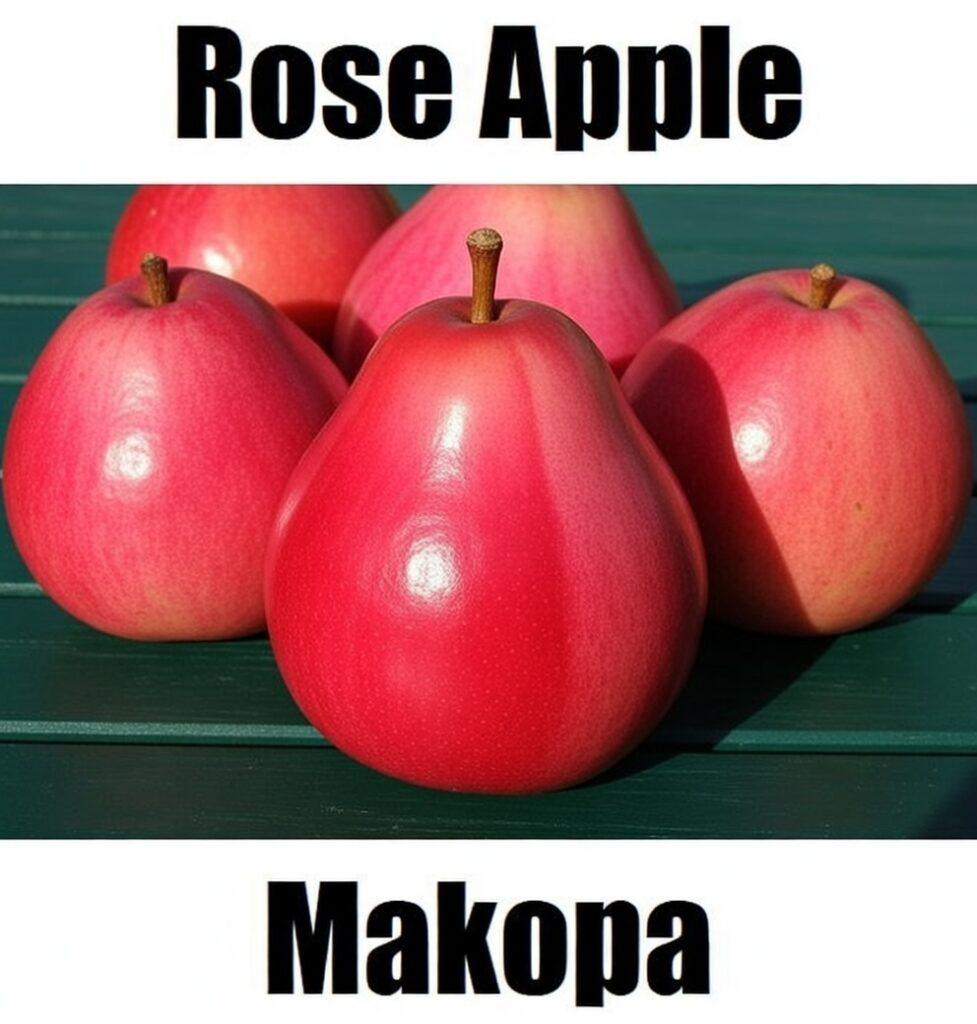
Table of Contents: Rose Apple in Tagalog (Makopa) Guide
What Is Rose Apple?
Rose apple, locally known as makopa, is a tropical fruit with smooth, glossy skin and a crisp, watery interior. It has a mild sweetness with subtle floral notes and a refreshing crunch.
Its scientific name is Syzygium jambos.
Makopa belongs to the Myrtaceae family, which also includes Guava and Java Plum. It grows widely in Southeast Asia and thrives in tropical climates like the Philippines.
Color: Pale pink, light yellow, white, or red
Taste: Mildly sweet with floral hints
Common Nickname: Bell fruit
Rose Apple in Tagalog: Essential Vocabulary Words (Makopa)
Expanding your vocabulary is one of the best ways to become more confident in speaking Tagalog. Learning words related to rose apple (makopa) helps you describe its taste, texture, health benefits, and how it’s used in everyday life. These terms are especially useful when visiting the palengke (market), talking about fruits at home, or discussing Filipino food and nutrition.
Below are common English words related to rose apple and their Tagalog translations. Try reading them aloud and forming simple sentences using each word to improve retention and pronunciation.
| # | English | Tagalog |
|---|---|---|
| 1 | Rose Apple | Makopa |
| 2 | Fruit | Prutas |
| 3 | Sweet | Matamis |
| 4 | Sour | Maasim |
| 5 | Seed | Buto |
| 6 | Peel | Balat |
| 7 | Flesh | Laman |
| 8 | Tree | Puno |
| 9 | Harvest | Ani |
| 10 | Market | Palengke |
| 11 | Juice | Katas |
| 12 | Smoothie | Inuming prutas |
| 13 | Salad | Ensalada |
| 14 | Pickle | Atsara |
| 15 | Fiber | Hibla |
| 16 | Vitamin C | Bitamina C |
| 17 | Healthy | Masustansya |
| 18 | Fresh | Sariwa |
| 19 | Crunchy | Malutong |
| 20 | Hydrating | Nakapagpapahid |
Practicing fruit-related vocabulary like rose apple in Tagalog (makopa) regularly will help you speak more naturally about food, health, and daily life in Filipino conversations. When you understand how to use makopa in sentences—whether you’re describing its sweet taste, buying it at the market, or talking about its health benefits—you strengthen both your vocabulary and confidence.
The more you connect words like rose apple in Tagalog to real-life experiences—such as visiting the palengke, enjoying a refreshing summer snack, or discussing tropical fruits with friends—the faster your language skills will grow. Keep practicing, keep speaking, and soon using makopa in everyday Tagalog will feel completely natural. 🌿🍎
How Is Rose Apple Used?
Rose apple is enjoyed in many simple and refreshing ways.
1. Eaten Fresh
The most common way to enjoy makopa is fresh.
- Washed thoroughly
- Peeled lightly (optional)
- Seeds removed
It is perfect as a cooling snack during warm weather.
2. Added to Fruit Salads
Makopa adds crunch and floral flavor to mixed fruits.
- Combined with mango
- Mixed with pineapple
- Paired with coconut
It balances sweetness with a light texture.
3. Blended into Drinks
Makopa can be turned into refreshing beverages.
It can be blended alone or mixed with citrus fruits for a tangy twist.
4. Used in Filipino Desserts
Makopa can be included in desserts like Halo-halo.
- Added as topping
- Mixed with shaved ice
- Combined with sweet beans
It adds a crisp contrast to creamy ingredients.
5. Made into Pickles
Unripe makopa is sometimes pickled.
- Sliced and soaked in vinegar
- Mixed with salt and sugar
This creates a tangy side dish that pairs well with rice meals.
Health Benefits of Rose Apple
Makopa is light yet nutritious.
Rich in Vitamin C
Supports immune system health.
High Water Content
Helps maintain hydration.
Contains Fiber
Promotes healthy digestion.
Low in Calories
Ideal for weight management.
Packed with Antioxidants
Helps protect against cell damage.
Supports Heart Health
Contains potassium for blood pressure regulation.
How to Use Rose Apple at Home
Here are simple ways to enjoy makopa:
Method 1: Wash and eat fresh as a snack.
Method 2: Slice into fruit salads.
Method 3: Blend into smoothies or juices.
Method 4: Freeze blended pulp for sorbet.
Method 5: Pickle unripe slices for a tangy side dish.
Commonly Used Example Phrases for Rose Apple in Tagalog
One of the best ways to remember new vocabulary is by seeing how it’s used in real-life situations. These natural, everyday sentences will help you understand how makopa (rose apple) fits into daily conversations — whether you’re talking about buying fruit at the market, enjoying snacks at home, or describing the weather during summer in the Philippines.
Read each sentence slowly, compare the English and Tagalog versions, and try saying them aloud for better pronunciation and confidence.
- I bought fresh makopa at the market.
Bumili ako ng sariwang makopa sa palengke. - Makopa tastes sweet and crisp.
Matamis at malutong ang makopa. - Peel the makopa before eating.
Balatan mo ang makopa bago kainin. - Makopa is in season this summer.
Panahon ng makopa tuwing tag-init. - The makopa tree is very tall.
Mataas ang puno ng makopa. - I like makopa in fruit salad.
Gusto ko ang makopa sa ensalada ng prutas. - Makopa is refreshing on hot days.
Nakakarefresh ang makopa kapag mainit ang panahon. - My grandmother made makopa pickles.
Gumawa ang lola ko ng atsarang makopa. - Makopa is healthy and hydrating.
Masustansya at nakatutulong sa hydration ang makopa. - We harvested makopa from our backyard.
Umanni kami ng makopa sa aming bakuran.
Try creating your own sentences using makopa and related vocabulary like sariwa (fresh), matamis (sweet), or ani (harvest). You can also describe fruits you see at the market or talk about your favorite summer snacks in Tagalog.
The more you practice forming simple, natural sentences, the more confident you’ll become in everyday conversations. Small steps like these make a big difference in building strong Tagalog speaking skills. 🌿🍎
Frequently Asked Questions (FAQ)
1. What is Rose Apple in Tagalog?
Rose apple in Tagalog is called makopa.
2. What is the scientific name of Rose Apple?
Its scientific name is Syzygium jambos.
3. Can it replace something similar?
It can sometimes substitute other crisp fruits in salads and desserts.
4. Is it healthy?
Yes. It contains Vitamin C, fiber, antioxidants, and high water content.
5. How do you prepare or use it?
Wash, remove seeds, and eat fresh or use in salads, drinks, or pickles.
Final Thoughts on Rose Apple in Tagalog (Makopa)
Rose apple in Tagalog is called makopa, and it is more than just a refreshing tropical fruit—it’s part of everyday life in many Filipino homes. From childhood memories of climbing backyard trees to quick afternoon snacks shared with family, makopa carries both cultural and nutritional value across generations.
Beyond being eaten fresh, rose apple (makopa) can be enjoyed in fruit salads, blended into juices, turned into jams, or prepared as atsara for a sweet-and-sour twist. Its fiber and Vitamin C content make it not only tasty but also a healthy addition to balanced meals, especially in warm tropical climates.
As you continue learning Tagalog, remembering that rose apple in Tagalog means makopa helps strengthen your fruit vocabulary and build confidence in everyday conversations. Whether you’re visiting a local market, traveling in the provinces, or simply describing your favorite tropical snacks, this simple word connects language with real-life Filipino culture.
Keep exploring more Filipino fruit names, practice using them in short sentences, and enjoy discovering the rich flavors, traditions, and meanings behind each word. Step by step, your Tagalog skills will continue to grow—just like a makopa tree in a sunny backyard. 🌿🍎