Termites are small insects that feed mainly on wood and plant material. In the Philippines, Termite in Tagalog is called anay. These insects are commonly found in houses, trees (puno), farms (bukid), and wooden structures because the country’s warm and humid climate allows anay to thrive all year round. You may also hear people describe them as an insekto that lives in wood (kahoy) and sometimes builds tunnels made of mud (putik).
When learning Termite in Tagalog, it is helpful to understand not only the word anay but also the insect’s behavior, body structure, and role in nature. Although anays are often labeled as peste in homes, they are actually highly organized social insects. Inside one colony, there are workers, soldiers, and a reyna ng mga anay that can live for many years. Each group has a specific role, showing how disciplined and structured these small insekto can be.
This guide will help you learn useful vocabulary related to anay, practice example sentences, identify important body parts such as ulo, dibdib, and tiyan, and understand the life cycle stages of this fascinating insekto. By exploring Termite in Tagalog in a simple and educational way, you can expand your language skills while also learning more about nature and science in everyday life.
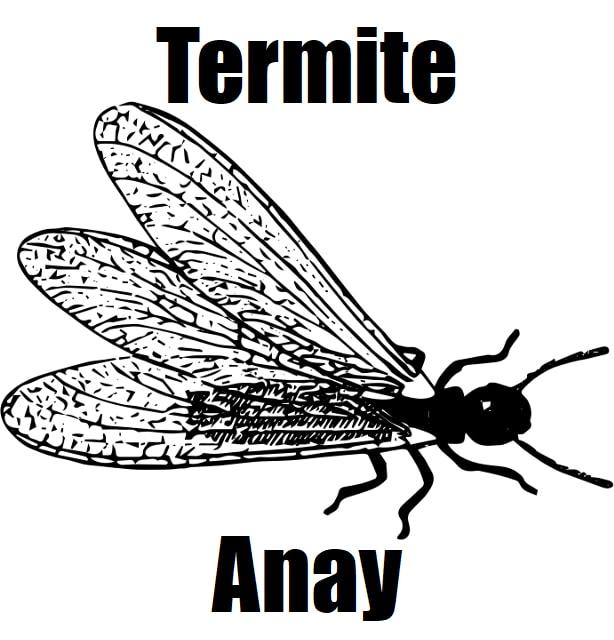
Table of Contents
What Is a Termite?
A termite is a small, pale insect that feeds mostly on wood and plant material.
Like other insects, a termite has three main body parts:
- Head
- Thorax
- Abdomen
Termites live in large groups called colonies. Each colony has different types of termites that work together. Some gather food, some defend the colony, and others reproduce.
Learning about termite in Tagalog makes it easier to describe insects and nature in everyday conversation.
Termite Vocabulary Words in Tagalog
Here are helpful vocabulary words related to Termite in Tagalog:
- Anay – termite
- Insekto – insect
- Hayop – animal
- Putik – mud
- Kahoy – wood
- Puno – tree
- Peste – pest
- Pakpak – wing
- Bukid – farm
- Ilaw – light
These words help describe where termites live and how they behave.
Example Sentences Using “Termite” in Tagalog
Practicing sentences makes learning Termite in Tagalog easier and more fun.
- Ang mga anay ay kumakain ng kahoy.
Termites eat wood. - Ang mga lumilipad na anay ay naaakit sa ilaw tuwing gabi.
Flying termites are attracted to light at night. - Ang anay ay isang maliit na insekto.
A termite is a small insect. - Ang reyna ng mga anay ay maaaring mabuhay ng maraming taon.
The queen termite can live for many years. - Ang mga anay at ang mga langgam ay magkaiba.
Termites and ants are different.
Reading and repeating sentences like these helps improve your Tagalog vocabulary naturally and builds confidence in using new words in everyday conversation. By practicing simple examples about anay and other insekto, you become more familiar with sentence structure, pronunciation, and word meaning. Over time, this consistent practice makes it easier to remember the term Termite in Tagalog and use it correctly when speaking or writing.
Termite Life Cycle (Siklo ng Buhay ng Anay)
Understanding the life cycle helps explain how termite colonies grow.
Termites go through three main stages:
1. Egg (Itlog)
The queen lays tiny white eggs. She can lay thousands during her lifetime.
2. Nymph (Nimpa)
Young termites are called nymphs. They look like small, pale adults. As they grow, they shed their outer skin several times.
Depending on the colony’s needs, nymphs can become:
- Workers
- Soldiers
- Reproductive termites (winged termites)
3. Adult (Ganap na Anay)
Adult termites belong to different groups:
- Workers gather food and build tunnels.
- Soldiers protect the colony.
- Reproductive termites grow wings and start new colonies.
The queen termite can live for 25 to 50 years, making her one of the longest-living insects in the world. During her lifetime, she can lay thousands of eggs and is responsible for the growth and survival of the entire colony. Her long lifespan allows the termite colony to expand steadily over many years, with workers and soldiers supporting and protecting her. This remarkable ability to live for decades shows how organized and resilient termite societies truly are.
Body Parts of a Termite
A termite has a soft, straight body that usually measures about 6–20 millimeters long.
1. Head (Ulo)
The head contains:
- Straight antennae for sensing
- Strong jaws for chewing wood
- Small or very weak eyes
Soldier termites often have larger heads for protection.
2. Thorax (Dibdib)
The thorax is the middle part of the body. It has:
- Three sections
- Six legs
Winged termites grow their wings from this section.
3. Abdomen (Tiyan)
The abdomen is soft and flexible. In queen termites, this part becomes very large as she produces eggs.
Unlike ants, termites do not have a narrow or pinched waist between their body sections. Instead, their bodies look straight, soft, and evenly shaped from head to abdomen. This smooth, uniform body structure is one of the easiest ways to tell termites apart from ants, which have a clearly defined waist and elbowed antennae. Observing these physical differences can help you identify termites more accurately when studying insects or exploring nature.
Termites in the Philippines
Because of the Philippines’ warm and rainy climate, termites are active all year. Some common types include:
- Subterranean termites – live underground and build mud tunnels
- Drywood termites – live inside dry wood
- Conehead termites – known for spreading quickly
The species Coptotermes vastator is one of the most common types of termites found in the Philippines. It is a subterranean termite, meaning it lives underground and builds mud tubes to reach wooden structures above the soil. This species is especially known for damaging homes, buildings, and furniture because it feeds continuously on wood and other cellulose materials. Due to the country’s warm and humid climate, Coptotermes vastator thrives and can form large colonies that are difficult to detect until visible damage appears.
Fun and Interesting Termite Facts
Learning fun facts makes studying Termite in Tagalog more exciting:
- Termites work 24 hours a day.
- Most worker termites are blind.
- They communicate by tapping and creating vibrations.
- Some colonies can grow to millions of members.
- Termites are often mistaken for ants, but they are different insects.
Even though they are tiny, termites are highly organized and hardworking insects that live in well-structured colonies. Each member has a specific role, whether it is gathering food, protecting the colony, or caring for the young. They communicate through vibrations and chemical signals, allowing them to work together efficiently as a team. This strong sense of cooperation and division of labor is what helps termite colonies survive and grow over many years.
Frequently Asked Questions (FAQ)
What is termite in Tagalog?
Termite in Tagalog is called anay.
Are termites and ants the same?
No, termites and ants are different insects. Although they may look similar, termites have straight bodies and do not have a narrow waist like ants.
Why are termites common in the Philippines?
Termites thrive in warm and humid climates. The Philippines provides the perfect environment for anay to live and build colonies, especially in wooden structures and soil.
Are termites only pests?
While anay can damage wood in homes, they also play an important role in nature by breaking down dead wood and recycling nutrients back into the soil.
How long can a queen termite live?
A queen termite can live for 25 to 50 years, making her one of the longest-living insects.
Final Thoughts on Termite in Tagalog
Termite in Tagalog is called anay.
By learning about termites, you expand your vocabulary while also understanding how this small insect lives, grows, and survives in nature.
Studying insects like the termite is a great way for families and children to learn about science and language at the same time. It helps build curiosity, improve Tagalog skills, and appreciate the natural world around us.