In the countryside, mornings begin with the crow of a tandang, the steady footsteps of a kalabaw, and chickens scratching the soil beneath the rising sun. These animals are more than vocabulary words — they are woven into everyday Filipino life, stories, and school lessons.
Farm animals in Tagalog are called mga hayop sa bukid, which literally means “animals of the farm.” You’ll commonly find them in rural communities and traditional provinces across the Philippines, where agriculture remains an important part of daily living.
In this guide, you’ll learn essential farm animal names in Tagalog, organized by category and supported with example sentences to help you understand natural usage.
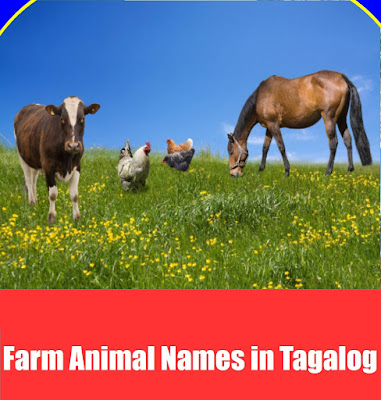
Table of Contents
🐄 Common Livestock: Farm Animals in Tagalog Found in Every Bukid
(Mga Karaniwang Hayop sa Bukid)
In many provinces across the Philippines, mornings begin with the quiet movement of livestock. The air smells of grass and soil, and the gentle sounds of animals echo across the fields.
These common farm animals in Tagalog are part of everyday rural life. They provide food, help with farming, and support families who depend on agriculture. If you visit a Filipino bukid (farm), these are the animals you’ll most likely see.
Animal Names
| Tagalog | English |
|---|---|
| Manok | Chicken |
| Baboy | Pig |
| Baka | Cow |
| Kambing | Goat |
| Kabayo | Horse |
| Kalabaw | Carabao / Water Buffalo |
| Tupa | Sheep |
| Pabo | Turkey |
Example Sentences
Ang manok ay nangitlog.
(The chicken laid an egg.)
Ang baboy ay natutulog sa putikan.
(The pig is sleeping in the mud.)
Ang baka ay nagbibigay ng sariwang gatas.
(The cow gives fresh milk.)
Ang kambing ay umakyat sa maliit na burol.
(The goat climbed the small hill.)
Ang kabayo ay mabilis tumakbo.
(The horse runs very fast.)
Ang kalabaw ay tumutulong sa mga magsasaka na mag-araro ng bukid.
(The carabao helps farmers plow the field.)
Ang tupa ay may makapal na balahibo.
(The sheep has thick wool.)
Ang pabo ay malakas ang tunog kapag sumisigaw.
(The turkey makes a loud noise.)
These animals represent hard work, patience, and daily life in rural communities.
🐣 Baby Farm Animals in Tagalog: Life Begins on the Farm
(Mga Batang Hayop sa Bukid)
One of the most heartwarming parts of farm life is seeing young animals grow. Children often play near piglets, watch chicks follow their mother, or see a calf run freely in open fields.
Young Animal Names
| Tagalog | English |
|---|---|
| Biik | Piglet |
| Guya | Calf |
| Bisiro | Foal |
| Sisiw | Chick |
Example Sentences
Ang biik ay sumususo sa kanyang ina.
(The piglet drinks milk from its mother.)
Ang guya ay masiglang tumatakbo sa bukid.
(The calf runs playfully in the field.)
Ang bisiro ay laging malapit sa kabayo.
(The foal stays close to the horse.)
Ang sisiw ay sumusunod sa inahin.
(The chick follows the hen.)
Learning baby farm animals in Tagalog strengthens your vocabulary and helps you understand natural conversation.
🐔 Poultry Vocabulary in Tagalog
(Mga Manok at Iba Pang Ibon sa Bukid)
In many rural areas of the Philippines, the day begins with a rooster’s crow.
Backyard poultry is common, even in small homes. These birds provide eggs, meat, and sometimes additional income.
Poultry Names
| Tagalog | English |
|---|---|
| Inahin | Hen |
| Tandang | Rooster |
| Pato | Duck |
| Gansa | Goose |
Example Sentences
Ang tandang ay tumitilaok nang maaga sa umaga.
(The rooster crows early in the morning.)
Ang inahin ay pinoprotektahan ang kanyang mga sisiw.
(The hen protects her chicks.)
Ang pato ay lumalangoy sa lawa.
(The duck is swimming in the pond.)
Ang gansa ay nagbabantay ng kanyang pugad.
(The goose guards its nest.)
🐕 Other Animals Around the Farm
(Iba Pang Mga Hayop sa Bukid)
Not every animal on a farm is raised for food or labor. Some live alongside families and are part of everyday rural life.
Animal Names
| Tagalog | English |
|---|---|
| Aso | Dog |
| Pusa | Cat |
| Kuneho | Rabbit |
| Daga | Mouse / Rat |
Example Sentences
Ang aso ay nagbabantay sa bukid tuwing gabi.
(The dog guards the farm at night.)
Ang pusa ay natutulog sa dayami.
(The cat sleeps on the hay.)
Ang kuneho ay kumakain ng sariwang gulay.
(The rabbit eats fresh vegetables.)
Ang daga ay tumakbo sa kamalig.
(The mouse ran across the barn.)
🌾 Why Learn Farm Animals in Tagalog?
These words appear in:
- Filipino children’s stories
- Nursery rhymes
- Classroom lessons
- Everyday conversations
- Provincial family visits
Because they are visual, practical, and culturally relevant, farm animals in Tagalog are excellent vocabulary for beginners. They are easy to imagine, simple to pronounce, and commonly used in real-life situations.
Learning these words also helps you understand Filipino rural culture, where agriculture plays an important role in daily life. Whether you’re visiting relatives in the province, talking with native speakers, or reading Tagalog storybooks, these animal names will naturally come up in conversation.
Most importantly, they build a strong foundation. Once you’re comfortable with everyday farm vocabulary, forming sentences and understanding basic Tagalog becomes much easier.
❓ Frequently Asked Questions About Farm Animals in Tagalog
What are farm animals called in Tagalog?
Farm animals in Tagalog are called mga hayop sa bukid, which means “animals of the farm.”
What is cow in Tagalog?
Cow in Tagalog is baka.
What is pig in Tagalog?
Pig in Tagalog is baboy.
What is chicken in Tagalog?
Chicken in Tagalog is manok.
What is goat in Tagalog?
Goat in Tagalog is kambing.
What is horse in Tagalog?
Horse in Tagalog is kabayo.
What does kalabaw mean?
Kalabaw means carabao or water buffalo. It is an important farming animal in the Philippines and is often associated with strength and hard work.
What are baby animals called in Tagalog?
Some common examples include:
- Biik – piglet
- Guya – calf
- Bisiro – foal
- Sisiw – chick
Why should I learn farm animals in Tagalog?
Learning farm animals in Tagalog helps you:
- Build beginner vocabulary
- Understand rural Filipino culture
- Improve sentence construction
- Recognize common words used in school and daily life
Final Thoughts
Learning farm animals in Tagalog is more than memorizing vocabulary — it’s stepping into the rhythm of rural Filipino life.
These animal names reflect mornings that begin before sunrise, the crow of a tandang echoing across the fields, and the steady strength of a kalabaw working beside farmers. They represent families who rise early, children who walk to school, and communities where neighbors share what they have.
Across the Philippines, agriculture remains an important tradition. Whether in farming villages or small fishing communities, animals are part of daily routines, responsibilities, and stories passed from one generation to the next.
As you practice these words, you’re not just building vocabulary — you’re gaining insight into culture, resilience, and the deep sense of community that defines provincial life.
With consistent practice, these farm animal names will become natural parts of your Tagalog vocabulary — and meaningful connections to the heart of Filipino culture.