Strawberry in Tagalog is commonly called presas.
If you’re learning Filipino, knowing the local names of fruits is a simple but powerful way to build your vocabulary and sound more natural in everyday conversations. Strawberries are especially popular in cooler regions of the Philippines, particularly in Benguet and Baguio, where they are grown, sold fresh, and made into jams, desserts, and sweet treats. Because of this, the word presas often comes up in discussions about food, travel, farming, and local culture.
In everyday speech, you may also hear presa (the singular form) or even the English word strawberry, sometimes spelled phonetically as istrowberi. These variations reflect both Spanish and English influences on the Filipino language, showing how Tagalog has evolved over time through cultural exchange and history.
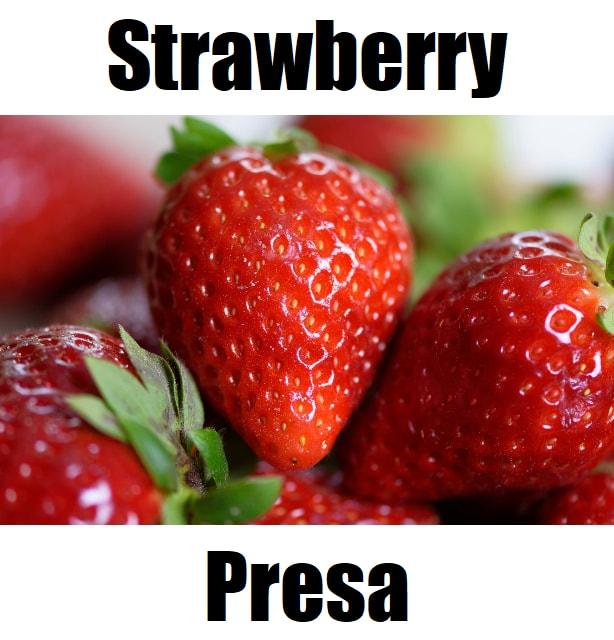
Strawberry in Tagalog: Complete Guide to Meaning, Variations, Vocabulary & 15 Example Sentences
What Is Strawberry in Tagalog?
The most widely accepted Filipino translation for strawberry is presas.
The word comes from the Spanish term fresa, which influenced many food-related words in Tagalog.
Common Variations
- Presas – Standard Filipino translation (most commonly used in formal contexts)
- Presa – Singular form used in casual conversation
- Strawberry / Istrowberi – Common in markets and daily speech due to English influence
All of these forms are understood in the Philippines.
Strawberry in Tagalog: 15 Essential Vocabulary Words You Should Know
Building vocabulary by topic makes learning Filipino easier and more effective. When you study related words together, you improve retention and gain the confidence to describe things more naturally in conversation. In this section, you’ll learn useful words connected to presas, including terms related to farming, nutrition, color, and everyday food discussions.
Here are common vocabulary words related to strawberry:
| # | English | Tagalog |
|---|---|---|
| 1 | Strawberry | Presas |
| 2 | Fruit | Prutas |
| 3 | Seed | Buto |
| 4 | Plant | Halaman |
| 5 | Crop | Tanim |
| 6 | Vitamin C | Bitamina C |
| 7 | Healthy | Masustansya |
| 8 | Food | Pagkain |
| 9 | Orchard | Lagwerta |
| 10 | Red | Pula |
| 11 | Garden | Hardin |
| 12 | Farm | Bukid |
| 13 | Planting | Pagtatanim |
| 14 | Farming | Pagsasaka |
| 15 | Plantation | Plantasyon |
By learning these strawberry-related vocabulary words, you’ll be able to talk about fruits, agriculture, and healthy eating more fluently in Tagalog. Try creating your own example sentences using these terms to strengthen your grammar and pronunciation. Consistent practice with themed vocabulary lists like this will steadily improve your Filipino communication skills.
Strawberry Example Phrases in Tagalog
Practicing full sentences is one of the fastest ways to improve your Tagalog skills. Instead of memorizing single vocabulary words, reading and saying complete phrases helps you understand grammar patterns, sentence structure, and natural expression. The examples below show how presas can be used in everyday conversations about food, family, travel, and local culture.
If you’re planning a trip to Baguio City — famous for its cool climate, strawberry farms, and delicious local products like strawberry jam and even strawberry taho — these phrases will be especially useful. Whether you’re buying fresh fruit in the market, visiting farms in La Trinidad, or ordering strawberry desserts, knowing how to speak about strawberries in Tagalog can make your experience more enjoyable and interactive.
Here are your sentences refined for smoother grammar and natural flow:
- We buy strawberry jam in Baguio City.
Kami ay bumibili ng palamang presa sa Baguio City. - I went to pick fresh strawberries in La Trinidad, Benguet.
Namitas ako ng sariwang mga presa sa La Trinidad, Benguet. - My mother cooks strawberries with sugar to make jam.
Ang aking nanay ay niluluto ang mga presa na may asukal upang gawing palaman. - I like to eat fresh strawberries.
Mahilig akong kumain ng sariwang mga presa. - Strawberries are rich in Vitamin C.
Ang mga presa ay mayaman sa Bitamina C. - Remove the green leaves from the strawberries before washing.
Alisin mo ang mga luntiang dahon ng presa bago hugasan. - My little sister likes strawberry ice cream.
Mahilig ang aking nakababatang kapatid sa sorbetes na presa. - Strawberries are used in making sweet desserts.
Ang mga presa ay ginagamit sa paggawa ng matatamis na panghimagas. - My grandmother made me a strawberry cake for my birthday.
Ang aking lola ay gumawa ng keyk na presa para sa aking kaarawan. - I made a drink using strawberries and milk.
Gumawa ako ng inumin gamit ang presa at gatas.
By practicing these strawberry example phrases, you’ll gain confidence speaking Tagalog in real-life situations — especially while traveling in places like Baguio and Benguet. Try reading the sentences aloud, using them when shopping in markets, or even while ordering strawberry treats. The more you apply vocabulary like presas in practical settings, the more natural and fluent your Filipino will become.
Cultural Note: Strawberries in the Philippines
Strawberries are famously grown in the highlands of Benguet, especially in La Trinidad. Many tourists visit strawberry farms to experience fruit picking and buy fresh strawberry products like jam, wine, and ice cream.
Because of tourism and English influence, many vendors simply use the word “strawberry,” but presas remains the standard Filipino term.
Why Learn “Strawberry” in Tagalog?
Learning strawberry in Tagalog helps you:
- Expand your fruit vocabulary
- Understand Spanish- and English-influenced Filipino words
- Communicate better in markets
- Describe desserts and sweet dishes
- Improve everyday Tagalog conversation
Frequently Asked Questions (FAQ)
1. What is strawberry in Tagalog?
Strawberry in Tagalog is presas.
2. Is “presa” correct?
Yes. Presa is the singular and commonly used in casual speech.
3. Do Filipinos use the English word strawberry?
Yes. Many people use “strawberry” or the phonetic spelling “istrowberi” in daily conversation.
4. Are strawberries healthy?
Yes. Presas are rich in Bitamina C and antioxidants.
5. Where are strawberries grown in the Philippines?
They are widely grown in Benguet, especially in La Trinidad.
Conclusion
Now you know that strawberry in Tagalog is presas. You’ve learned its variations, related vocabulary words, example sentences, pronunciation tips, and even its cultural connection to places like Baguio and Benguet where strawberries are widely grown and enjoyed.
But don’t stop here. Language learning becomes powerful when you consistently practice and apply what you’ve learned. Try forming your own sentences using presas, use it in daily conversations, or practice while talking about food, travel, or local markets. If you ever visit strawberry farms in the Philippines, you’ll feel more confident speaking with locals and understanding signs, menus, and product labels.
Keep expanding your fruit vocabulary one word at a time. Small lessons like this build a strong foundation in Tagalog and help you communicate more naturally and comfortably every day.
Happy learning — and enjoy your journey into Filipino language and culture! 🍓