Pineapple in Tagalog is called pinya.
If you’re learning Filipino, understanding how to say pineapple in Tagalog will help you expand your fruit vocabulary and improve everyday conversations about food and culture.
In this guide, you’ll discover the meaning of pinya, its pronunciation, useful vocabulary words, example sentences, and its cultural significance in the Philippines. Whether you’re a beginner building basic word lists or someone looking to improve conversational fluency, this simple yet meaningful word connects language, nutrition, and Filipino tradition in a practical way.
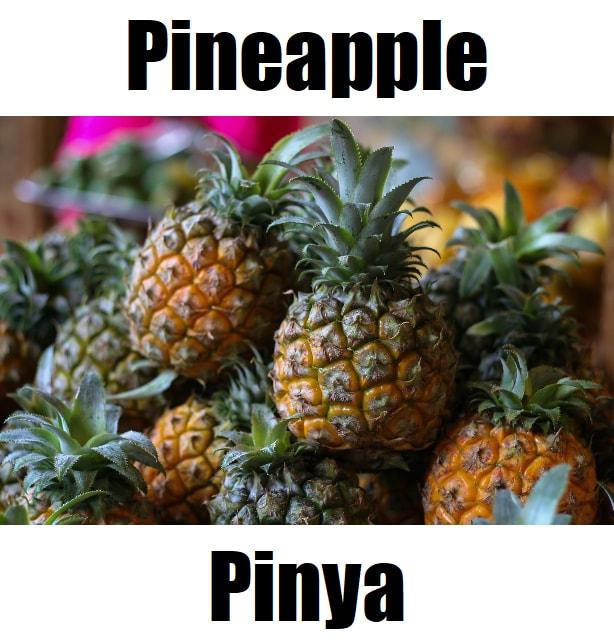
Table of Contents
What Is Pineapple in Tagalog?
The Tagalog word for pineapple is pinya.
Language Notes
- Origin: The word pinya comes from the Spanish word piña, reflecting Spanish influence on the Filipino language.
- Usage Examples:
- Gusto ko ng pinya. (I want some pineapple.)
- Matamis ang pinya. (The pineapple is sweet.)
Cultural Significance of Pinya
In the Philippines, piña does not only refer to the fruit. It also refers to a traditional fiber made from pineapple leaves.
This delicate fiber is woven into luxury textiles used for traditional Filipino clothing such as the Barong Tagalog.
Because of this, pineapple has both culinary and cultural importance in Filipino society.
Pineapple Vocabulary Words in Tagalog
Learning vocabulary related to pinya helps you describe the fruit more clearly in everyday conversations. Whether you’re talking about nutrition, farming, gardening, or food preparation, these words will expand your Filipino vocabulary and make your sentences more natural and detailed.
Here are common vocabulary words related to pineapple:
| # | English | Tagalog |
|---|---|---|
| 1 | Pineapple | Pinya |
| 2 | Fruit | Prutas |
| 3 | Seed | Butil |
| 4 | Plant | Halaman |
| 5 | Crop | Tanim |
| 6 | Vitamin C | Bitamina C |
| 7 | Healthy | Masustansya |
| 8 | Food | Pagkain |
| 9 | Orchard | Lagwerta |
| 10 | Yellow | Dilaw |
| 11 | Garden | Hardin |
| 12 | Farm | Bukid |
| 13 | Planting | Pagtatanim |
| 14 | Farming | Pagsasaka |
| 15 | Tree | Puno |
By mastering these pineapple-related vocabulary words, you’ll be able to confidently discuss topics like farming (pagsasaka), nutrition (Bitamina C), gardening (hardin), and healthy eating in Tagalog. Building themed vocabulary lists like this is one of the fastest ways to improve fluency and strengthen your everyday Filipino communication skills.
Pineapple Example Phrases in Tagalog
Using complete sentences is one of the best ways to remember new vocabulary. Instead of memorizing single words, practicing full example phrases helps you understand grammar, sentence structure, and natural expression in everyday Filipino conversations. The sentences below show how the word pinya can be used when talking about food, health, farming, and daily life.
Here are your sentences refined for smoother grammar and natural flow:
- The province of Bukidnon is known for its sweet pineapples.
Ang probinsya ng Bukidnon ay kilala sa kanilang matamis na pinya. - Pineapples are used in making sweet drinks and desserts.
Ang mga pinya ay ginagamit sa paggawa ng mga inumin at panghimagas. - A pineapple is a rich source of Vitamin C.
Ang pinya ay mayaman sa Bitamina C. - I like to eat fresh or canned pineapples.
Gusto kong kumain ng sariwa o nakade-latang pinya. - I eat fresh pineapple with salt.
Kumakain ako ng sariwang pinya na may asin. - My mom bakes a pineapple upside-down cake for my birthday.
Ang aking ina ay naghahanda ng pinya upside-down cake para sa aking kaarawan. - Each pineapple plant produces only one fruit.
Ang bawat tanim na pinya ay nagbubunga ng isang prutas lamang. - A pineapple does not ripen further after harvest.
Ang pinya ay hindi na nahihinog pa kapag napitas na. - Pineapple is used in making wine.
Ang pinya ay ginagamit sa paggawa ng alak. - Eating pineapple can help with digestion.
Ang pagkain ng pinya ay nakatutulong sa pagtunaw ng pagkain.
By practicing these example phrases regularly, you’ll become more comfortable forming your own Tagalog sentences about fruits, nutrition, and Filipino culture. Try reading them aloud to improve pronunciation and confidence. The more you use words like pinya in real-life contexts, the faster your Tagalog fluency will grow.
Why Learn “Pineapple” in Tagalog?
Learning pineapple in Tagalog helps you:
- Expand your Filipino fruit vocabulary
- Talk about healthy foods and nutrition
- Understand Spanish-influenced Filipino words
- Appreciate Filipino textile traditions
- Communicate better in markets and restaurants
Pinya is a simple but culturally meaningful word in the Philippines.
Frequently Asked Questions (FAQ)
1. What is pineapple in Tagalog?
Pineapple in Tagalog is pinya.
2. Where does the word pinya come from?
It comes from the Spanish word piña.
3. Is pineapple healthy?
Yes. Pineapple is rich in Bitamina C and contains enzymes that help with digestion.
4. What color is pineapple?
Pineapple flesh is usually dilaw (yellow) when ripe.
5. What is piña fiber?
Piña fiber is a traditional Filipino textile fiber made from pineapple leaves and is commonly used to create garments like the Barong Tagalog.
Conclusion
Now you know that pineapple in Tagalog is pinya. You’ve learned its pronunciation, vocabulary words, example sentences, cultural background, and practical usage in both food and Filipino traditions.
Keep practicing fruit names like pinya to strengthen your Tagalog vocabulary and everyday conversation skills. The more you review themed word lists and use them in complete sentences, the more natural your Filipino will sound.
If you’re serious about improving your Tagalog, continue exploring related vocabulary topics, practice speaking out loud, and challenge yourself to use new words in daily conversations. Small, consistent learning steps lead to lasting fluency.
Salamat sa pagbabasa — and happy learning! 🌺