Jar in Tagalog is commonly referred to as “Banga.” The Banga, or traditional Filipino clay pot, has been a staple in Filipino kitchens for centuries. Used for cooking, storing water, and fermenting foods, this simple yet ingenious tool reflects Filipino craftsmanship, resourcefulness, and connection to natural materials.
In this post, we’ll explore the history, uses, cultural significance, and continued relevance of the jar in Tagalog culture. Understanding the Banga is essential for beginners and the younger generation looking to connect with their roots.
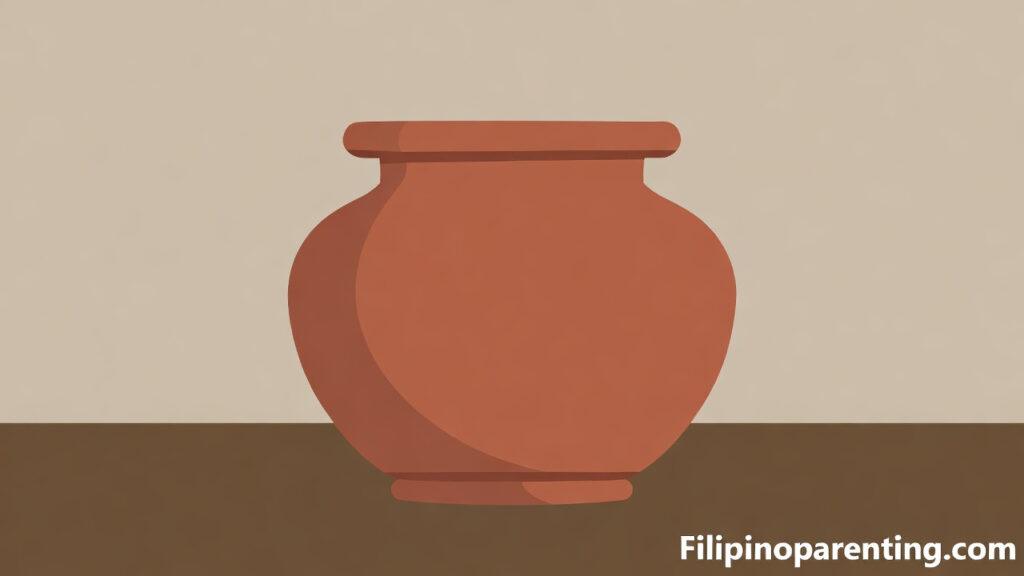
Table of Contents
🇵🇭 What is the Banga?
The Banga is a jar in Tagalog crafted from locally sourced clay. It is a symbol of domestic ingenuity often found in rural household items in Tagalog collections. While the term “Banga” often refers to larger water or storage jars, smaller versions specifically used for cooking over an open flame are frequently called palayok in Tagalog.
Key features include:
- Materials: Made from natural clay, shaped by hand or on a potter’s wheel.
- Uses: Cooking stews, soups, and rice; storing water; fermenting local foods like bagoong.
- Design: Retains heat and moisture, making it ideal for traditional dishes.
- Craftsmanship: Often handmade, showcasing Filipino skill, artistry, and practicality.
- Cultural Role: A staple in rural and heritage Filipino kitchens.
📜 History of the Banga Jar in Tagalog Tradition
The Banga has been integral to Filipino life for centuries. Long before modern plastic or metal containers, the jar in Tagalog households served as the primary vessel for survival.
Pre-colonial Roots: Early Philippine communities used clay pots for cooking, storing water, and fermenting food. Archaeologists have found various forms of pottery across the archipelago, proving that the jar in Tagalog history is deeply ancient.
Household Necessity: It was essential for daily cooking over firewood and storing water in hot climates. Because clay is porous, it allows for natural evaporation, which keeps the water inside remarkably cool even without refrigeration. In traditional homes, these jars were often kept on a banggera, which is a traditional bamboo kitchen shelf designed to hold and dry various household items in Tagalog homes.
Generational Tool: These jars were passed down as symbols of resourcefulness. They highlight the Filipino bond with the environment and traditional culinary practices. This legacy of inner resilience is reflected in how these tools have survived the test of time.
🌟 Symbolism of the Jar in Tagalog Heritage
The Banga represents more than just storage; it represents the heart of the home. It embodies:
- Filipino Craftsmanship: Handmade from natural clay with skill and care.
- Resourcefulness: Durable, multipurpose, and eco-friendly.
- Cultural Heritage: Integral to traditional Filipino cooking and fermentation.
- Sustainability: Biodegradable and made from locally sourced materials.
It remains a beautiful Tagalog word and object that represents Filipino identity and domestic wisdom.
🌿 Practical Uses for the Jar in Tagalog Homes
The Banga remains versatile in Filipino homes today. Whether you are in a province or a heritage-style kitchen, you will see its utility.
1. Cooking Traditional Dishes
It is perfect for stews and slow-cooked recipes. The clay enhances flavors in a way that metal pots cannot. It is often used to cook rice to achieve a specific aroma and texture. You can practice your vocabulary by saying, “Nagluluto ako sa banga” (I am cooking in the clay jar) or “Niluto sa palayok” (Cooked in the clay pot).
2. Water Storage
Keeping water cool in tropical climates was the Banga’s primary job before electricity. Many still prefer the taste of water stored in a clay jar in Tagalog provinces because of its natural mineral quality.
3. Fermentation
The Banga is the ideal vessel for making bagoong (fish paste) or fermented rice. The breathability of the clay allows the fermentation process to happen naturally and safely. For more on Filipino traditions, you can explore classic Tagalog salawikain that often mention these household tools.
🌏 Why the Jar in Tagalog Culture Still Matters
Even with modern cookware, the Banga remains an enduring emblem of Filipino tradition. It supports local artisans and rural economies by sustaining demand for handmade pottery.
Choosing a clay jar in Tagalog kitchens also encourages sustainability. Since they are made of natural materials, they are a great eco-friendly alternative to plastic. Using these items is a way to practice Filipino wisdom in our modern daily lives. To learn more about the technical aspects of pottery, you can visit the National Museum of the Philippines or research traditional Austronesian pottery techniques through UNESCO.
❓ Frequently Asked Questions (FAQ)
1. What is the meaning of the jar in Tagalog?
The most common word for a traditional clay jar is “Banga.”
2. How is a Banga made?
It is shaped from natural clay by hand or on a potter’s wheel and then fired in a kiln to make it durable.
3. Can you still cook with a Banga today?
Yes! Many people still use clay pots for slow-cooking because they retain heat and moisture better than modern pans.
4. Why does water stay cool in a clay jar?
Clay is naturally porous. Small amounts of water evaporate through the walls of the jar, which cools the remaining water inside.
5. Where can I find a Banga?
They are often sold in local “palengke” (markets) in the Philippines or at specialty cultural craft stores.
📌 Final Thoughts
The Banga is more than just a jar in Tagalog culture—it is a symbol of heritage, sustainable practices, and domestic ingenuity. By keeping its use alive, families honor the craftsmanship and practical living of those who came before us.
Whether you use it for decoration or for a delicious slow-cooked meal, the Banga remains an enduring emblem of everyday Filipino ingenuity.