Animals in Oklahoma are a vital part of the Sooner State’s natural beauty, thriving within diverse habitats that stretch from rolling prairies to lush eastern forests. Oklahoma boasts a rich ecosystem that supports a wide variety of wildlife, making it a paradise for nature enthusiasts and families. Whether you are a student or a parent exploring the outdoors, learning about these creatures helps us appreciate local biodiversity.
From majestic mammals and colorful birds to unique reptiles, this comprehensive guide features 24 common Oklahoma animals. We provide fascinating facts, specific locations where they thrive, and accurate coloration details to help with identification. Understanding our local mammals in Tagalog and other wildlife is a wonderful way for families to connect with nature.
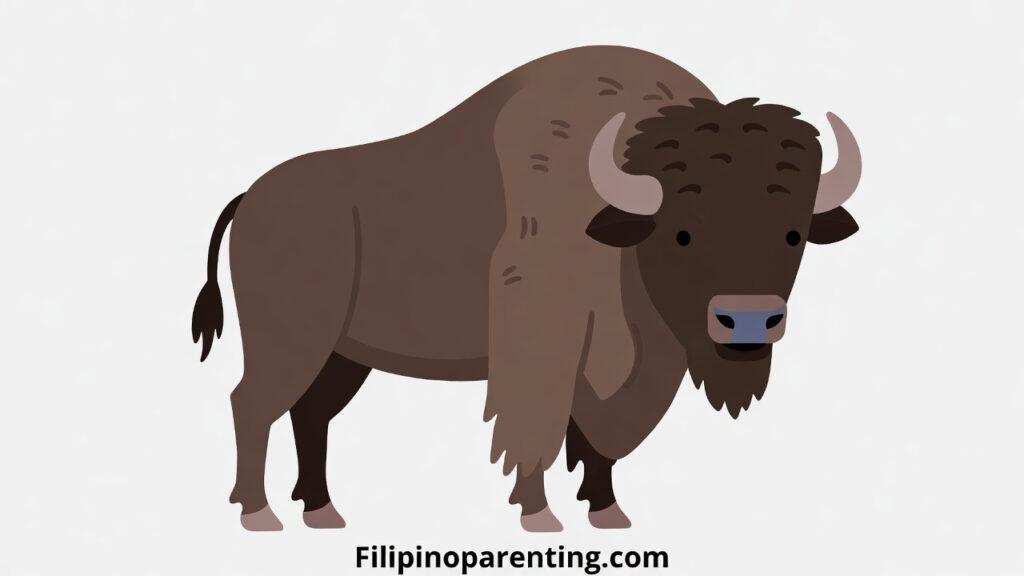
Table of Contents
Amazing Animals in Oklahoma Facts: Guide to Sooner State Wildlife
Animals in Oklahoma range from large grazers to small nocturnal creatures thriving across plains and woodlands. These animals have adapted to various environments, ensuring the state’s ecological balance remains strong. Understanding these local species is a fascinating way for families and learners to connect with the natural world.
In this guide, we explore 7 iconic species. From the massive state mammal to elusive mountain dwellers, these animals in Oklahoma represent the incredible biodiversity of the region.
1. White-tailed Deer
The White-tailed Deer is one of the most common animals in Oklahoma. These graceful herbivores stand 3-4 feet tall and weigh up to 300 pounds. They are named for their distinctive white tail that flashes when alarmed. They inhabit forests and fields statewide, and identifying them is a great way to practice beautiful Tagalog words related to nature.
- Coloration: Reddish-brown in summer, grayish-brown in winter with white underparts.
2. American Bison
The American Bison, Oklahoma’s state mammal, once roamed the Great Plains in massive herds. Adults can weigh over 2,000 pounds and feature a distinctive shoulder hump. They are vital to prairie ecosystems, primarily found in western Oklahoma refuges like the Wichita Mountains Wildlife Refuge.
- Coloration: Dark brown with a lighter head and legs.
3. Common Raccoon
Raccoons are adaptable omnivores found near water sources. Known for their “bandit mask” and ringed tail, they are nocturnal scavengers that eat fruits, insects, and small animals.
- Coloration: Grayish-brown fur with a black mask and ringed tail.
4. American Black Bear
Roaming the eastern forests, especially the Ouachita Mountains, these powerful mammals can weigh 500 pounds. Their diet includes berries, nuts, and small prey.
- Coloration: Mostly black with a brown muzzle.
5. Mexican Free-tailed Bat
These bats form large colonies in caves and bridges. As the state’s official flying mammal, they consume massive amounts of insects nightly, benefiting agriculture.
- Coloration: Dark gray to brown fur.
6. Nine-banded Armadillo
A unique creature with a bony armored shell, the armadillo digs burrows and feeds on grubs. They prefer sandy or clay soils in eastern and central regions.
- Coloration: Grayish-brown armored plates with yellowish sides.
7. Virginia Opossum
As North America’s only marsupial, the Virginia Opossum is common statewide in woodlands and suburbs. They have a prehensile tail and are famous for “playing dead” when threatened.
- Coloration: Grayish-white fur with a pinkish nose and tail.
Birds in Oklahoma Facts
Oklahoma’s skies host vibrant species year-round. Identifying birds in Tagalog and English can be an engaging activity for learners.
8. Bald Eagle
The Bald Eagle winters along rivers and lakes in the east and southeast. With a wingspan up to 7 feet, they are masterful hunters of fish and waterfowl.
- Coloration: White head and tail with a dark brown body.
9. Northern Cardinal
A favorite backyard bird, the male displays vivid crimson plumage while the female is olive-brown. They are common statewide in trees and gardens.
- Coloration: Bright red (males), olive-brown (females).
10. Scissor-tailed Flycatcher
Oklahoma’s state bird features long, forked tail feathers. These aerial insectivores perform acrobatic flights in open areas during breeding season.
- Coloration: Pale gray body with black wings and salmon-pink sides.
11. Red-tailed Hawk
This state raptor is widespread in open fields. They have broad wings used to hunt rodents and snakes from high perches.
- Coloration: Dark brown above with a distinctive reddish tail in adults.
12. Wild Turkey
Found in woodlands statewide, these large birds are the state game bird. They forage for acorns and insects.
- Coloration: Iridescent bronze-black body with white wing bars.
Amphibians and Reptiles in Oklahoma Facts
Oklahoma’s wetlands support fascinating cold-blooded creatures. Parents can use these facts to build Filipino proverbs character lessons about resilience and steady growth.
13. American Bullfrog
The largest frog in North America has a deep, resonant call. They inhabit ponds statewide and eat insects or small fish.
- Coloration: Green to olive with dark spots.
14. American Alligator
Found in the extreme southeastern corner, specifically McCurtain and Choctaw counties. Sites like Red Slough WMA host this stable population of “living dinosaurs.”
- Coloration: Grayish-black adults; juveniles have yellow and white stripes.
15. Western Diamondback
A venomous reptile found in western grasslands. It uses heat-sensing pits to hunt and a rattle to warn intruders.
- Coloration: Brown with diamond-shaped markings.
16. Eastern Collared Lizard
This colorful lizard runs on its hind legs in rocky central and western areas. It primarily eats insects.
- Coloration: Bright green or blue with black bands and yellow spots.
17. Common Snapping Turtle
These turtles lurk in ponds and rivers statewide. They are known for their powerful jaws and opportunistic feeding habits.
- Coloration: Dark brown to black shell with a rough texture.
18. Oklahoma Salamander
This lungless species lives in the clear, cool streams of eastern Oklahoma. It is a key indicator of high water quality.
- Coloration: Olive to reddish-brown with dark mottling.
Fish and Essential Invertebrates
19. Largemouth Bass: Thrives in reservoirs; dark green with a black lateral stripe.
20. Blue Catfish: Can exceed 100 pounds; blue-gray body with a white belly.
21. White Bass: The state fish; silvery with dark horizontal stripes.
22. Black Swallowtail: A beautiful butterfly in Tagalog (paru-paro) with black wings and yellow spots.
23. European Honey Bee: Vital pollinators for agriculture; golden-brown with black stripes.
24. Striped Bark Scorpion: Found under rocks and logs; yellowish-tan with dark stripes.
Frequently Asked Questions (FAQ)
What are the most common animals in Oklahoma?
The White-tailed Deer, Northern Cardinal, and Common Raccoon are among the most frequently spotted wildlife statewide.
Are there dangerous animals in Oklahoma?
While most wildlife is harmless, venomous snakes like the Western Diamondback and alligators in the southeast should be treated with respect and caution.
Where is the best place to see bison?
The Tallgrass Prairie Preserve and various wildlife refuges in western Oklahoma are excellent for spotting bison.
What is the state bird of Oklahoma?
The Scissor-tailed Flycatcher is the state bird, known for its long, beautiful tail.
Animals in Oklahoma: The Heart of Nature and Community
Exploring these 24 animals in Oklahoma reveals the incredible diversity of the Sooner State. Our connection to the land and its creatures mirrors the warmth and sincerity found in Filipino culture. We believe that life becomes richer when it is shared, and that includes sharing our environment with the wildlife around us. Learning about nature can bring a sense of gratitude and peace.
Hospitality and kindness are not just for guests; they extend to how we care for our natural heritage. Small gestures of consideration—like preserving a habitat or observing wildlife from a distance—carry enormous emotional weight. It reminds us that every living thing matters.
At the heart of our culture is the idea that no one should feel alone when others are near. By teaching the younger generation about biodiversity, we ensure a future where both nature and community flourish. This dedication to learning and preservation is part of our shared Filipino wisdom and persistence.