Candaba Swamp Facts are essential for any parent or learner wanting to understand the rich biodiversity of the Philippines. The Candaba Swamp, also known as Candaba Marsh or “Pinac,” is one of the most important wetlands in the country. Located in the provinces of Pampanga and Bulacan in Central Luzon, about 60 km northeast of Manila, this vast floodplain is a critical natural flood retention basin and a haven for wildlife.
I want to share these Candaba Swamp Facts in a “Real-Talk” way. This area is not just a bunch of water; it is a living ecosystem that supports thousands of migratory birds and local livelihoods.
Table of Contents
1. Location and Size of the Marshlands
Candaba Swamp lies near the towns of Candaba, San Miguel, and San Ildefonso. It spans approximately 32,000 hectares during the wet season, shrinking to about 10,000 hectares in the dry season.
Ang Candaba Swamp ay matatagpuan sa mga lalawigan ng Pampanga at Bulacan, mga 60 km hilagang-silangan ng Maynila. (Candaba Swamp is located in the provinces of Pampanga and Bulacan, about 60 km northeast of Manila.)
Ito ay sumasaklaw sa humigit-kumulang 32,000 hectares sa panahon ng tag-ulan. (It covers approximately 32,000 hectares during the rainy season.)
It sits at a low elevation of about 11 meters above sea level, making it the lowest point in Central Luzon. The swamp receives overflow from several rivers, eventually draining into the Pampanga River.
2. Historical Background of the Pinac
Historically, Candaba Swamp was part of a larger chain of lakes in Central Luzon. Over time, silting from river networks caused many to shrink. The area has long supported families through fishing and farming.
Noong unang panahon, ang Candaba Swamp ay bahagi ng isang malaking lawa na konektado sa iba pang mga lawa sa Gitnang Luzon. (In ancient times, Candaba Swamp was part of a large lake connected to other lakes in Central Luzon.)
Sa kasaysayan, ginamit ito ng mga tao para sa pangangaso at pangingisda. (Historically, it was used by people for hunting and fishing.)
Today, parts of the swamp transform into agricultural land during the dry season, showcasing how nature and people work together.
3. Biodiversity and Migratory Bird Wildlife
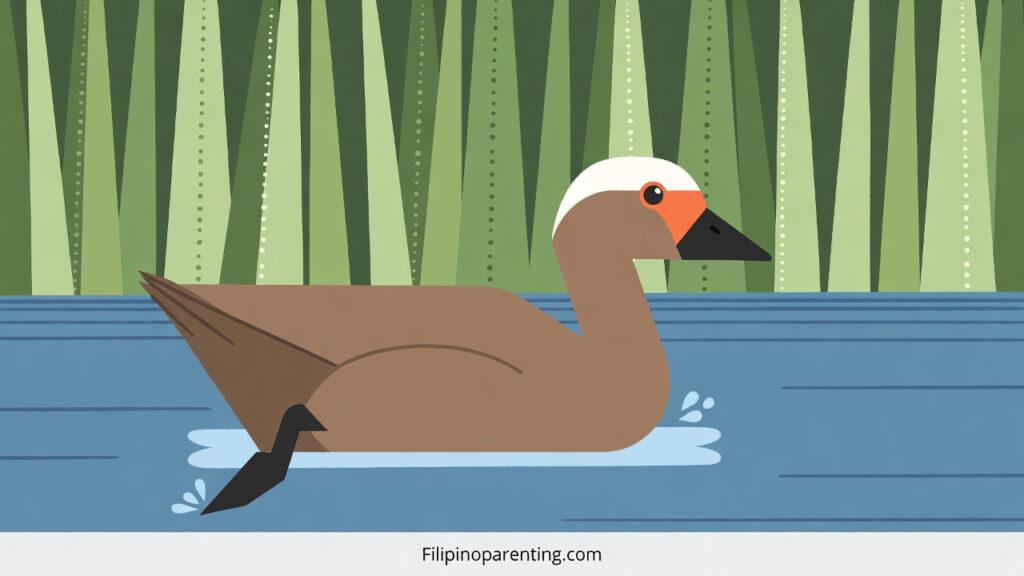
One of the most fascinating Candaba Swamp Facts is its role as a Key Biodiversity Area. It is a vital site along the East Asian-Australasian Flyway. It hosts over 200 bird species, including residents and thousands of winter visitors from Siberia and China.
Ang Candaba Swamp ay tahanan ng higit sa 200 uri ng ibon, kabilang ang mga migratory birds mula sa Siberia at China. (Candaba Swamp is home to over 200 bird species, including migratory birds from Siberia and China.)
Sa taglamig, libu-libong ibon ang dumarating dito upang magpalipas ng malamig na buwan. (In winter, thousands of birds arrive here to spend the cold months.)
According to the Amphibian Survival Alliance and BirdLife International, wetlands are crucial for global biodiversity. You can see species like the garganey, Eurasian wigeon, and the endemic Philippine duck here.
4. Ecological Importance: The Natural Flood Sponge
As a natural “flood sponge,” the swamp absorbs excess water during the wet season, preventing floods in nearby areas. This is one of the most practical Candaba Swamp Facts for families in Central Luzon.
Ang swamp ay nagsisilbing natural na basin para sa baha sa Central Luzon. (The swamp serves as a natural basin for floods in Central Luzon.)
Sa tag-ulan, puno ito ng tubig at nakakatulong upang maiwasan ang malaking pagbaha. (During the rainy season, it is full of water and helps prevent major flooding.)
Kapag tag-init, ginagamit ito para sa taniman ng palay at pakwan. (When it’s summer, it is used for planting rice and watermelons.)
5. Threats and Conservation Efforts
Despite its value, Candaba faces threats from land conversion and pollution. Recognizing these Candaba Swamp Facts is the first step toward protection.
Ang pangunahing banta ay ang pag-convert ng lupa para sa permanente na pagsasaka. (The main threat is the conversion of land for permanent farming.)
May mga proyekto na para protektahan ang swamp at ang mga ibon dito. (There are projects to protect the swamp and the birds here.)
We need to help nature to preserve its beauty so the younger generation can enjoy it too. You can learn more about local wildlife in our guide on the Heron in Tagalog or see other bird names.
6. FAQs: Your Quick Guide to the Swamp
Saan matatagpuan ang Candaba Swamp?
Ang Candaba Swamp ay matatagpuan sa mga lalawigan ng Pampanga at Bulacan, humigit-kumulang 60 km sa hilagang-silangan ng Maynila. It is the lowest point in Central Luzon, which is why it naturally becomes an imbakan ng tubig (water storage).
Ano ang laki ng Candaba Swamp?
Ang laki nito ay nagbabago depende sa panahon (the size changes depending on the season). In the rainy season, it reaches about 32,000 hectares. During summer, it shrinks to 10,000 hectares and becomes fertile land for farming.
Kailan ang pinakamagandang oras para bumisita?
For those who want to see migratory birds, the best time to visit is from Oktubre hanggang Abril. This is the “migration season” where thousands of birds from cold countries stay here.
Bakit mahalaga ang mga Candaba Swamp Facts para sa ating kalikasan?
Mahalaga ang mga impormasyong ito dahil ang swamp ay nagsisilbing “natural sponge.” It absorbs excess floodwater so nearby towns don’t drown, while providing a home to endangered birds like the Philippine Duck.
Ligtas ba ang mamasyal dito para sa mga pamilya?
Oo, it is a wonderful experience for families and those just starting to learn about nature. Just make sure to wear the right footwear and remember to respect the silence of the birds around you.
7. Conclusion: Preserve Our Natural Treasure
Discovering these Candaba Swamp Facts reminds us that the Philippines is made of amazing ecosystems that we should be proud of and protect. Ang swamp na ito ay hindi lamang isang simpleng basang lupa; it is a symbol of resilience and abundance in Central Luzon.
As parents and teachers of the younger generation, it is important to plant the seed of conservation in their minds. Every bird that flies and every hectare of water plays a huge role in balancing our world. Huwag nating hayaang mawala ang ganda ng Candaba dahil sa polusyon o illegal hunting.
Sana ay nakatulong ang mga Candaba Swamp Facts na ito upang mas lalo ninyong mahalin ang wildlife ng ating bansa. Let’s continue to learn, visit with respect, and support local initiatives. Maraming salamat for reading—may this inspire your next birdwatching adventure!