Flea in Tagalog is pulgas. Fleas are tiny, jumping parasites that feed on the blood of animals and sometimes humans. They are commonly found on pets, in farms, and in dark areas of the home.
Because of the Philippines’ warm and humid climate, fleas remain active throughout the year. This makes them a persistent concern in both rural and urban environments.
Understanding flea in Tagalog helps expand your vocabulary and allows you to describe common household and pet-related issues more clearly in everyday Filipino conversations.
This guide covers the meaning of flea in Tagalog, essential vocabulary words, practical example sentences, flea anatomy, and important information about flea infestations in the Philippines so you can speak and write about the topic with greater confidence and accuracy.
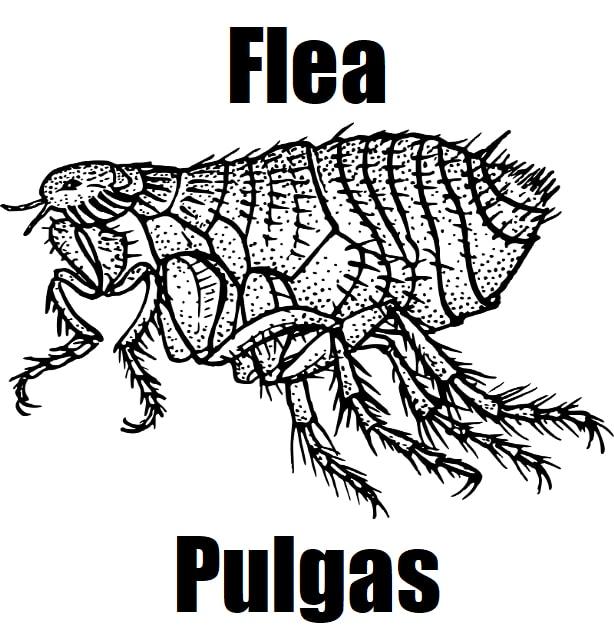
Table of Contents
Flea Vocabulary Words in Tagalog
Here are common Tagalog words connected to fleas and their environment. These terms help describe how fleas live, move, feed, and interact with animals and humans. By learning these words, you can better explain flea infestations, pet care concerns, and everyday situations related to insects in Filipino households and farms. Expanding this vocabulary also strengthens your understanding of health, hygiene, and environmental discussions in Tagalog.
- Pulgas – flea
- Insekto – insect
- Hayop – animal
- Parasitiko – parasite
- Kagat ng insekto – insect bite
- Tumatalon – jumping
- Kagat – bite
- Makati – itchy
- Bukid – farm
- Hayop na walang buto – invertebrate
These vocabulary words help describe flea behavior, feeding habits, habitat, and their effects on pets and people in everyday Filipino conversations.
Example Sentences Using “Flea” in Tagalog
Here are practical Tagalog sentences to help you understand how to use pulgas correctly:
Ang kagat ng pulgas ay napakakati.
The bite of a flea is very itchy.
Ang babaeng pulgas ay maaaring mangitlog hanggang limampung itlog kada araw.
A female flea can lay up to fifty eggs per day.
Ang pulgas ay maaaring tumalon ng napakataas.
A flea can jump very high.
Ang mga pulgas ay nagdudulot ng alerhiya.
Fleas can cause allergies.
Ang mga pulgas ay nagkakalat ng mga sakit.
Fleas can spread diseases.
Ang mga pulgas ay nagdadala ng mga parasito.
Fleas can transmit parasites.
Ang pulgas ay bulag.
A flea is blind.
Ang pulgas ay walang mga tainga.
A flea does not have ears.
Ang mga pulgas ay nakatira sa madilim na lugar.
Fleas live in dark places.
Ang mga pulgas ay sumisipsip ng dugo.
Fleas suck blood.
Practicing these examples strengthens your understanding of flea-related vocabulary while improving your confidence in using Tagalog in real-life situations. As you repeat and apply these sentences, you become more comfortable describing symptoms like itching, discussing pet care, or explaining household concerns in natural conversation. Over time, this practical usage helps you think in Tagalog rather than translate word-for-word, making your communication clearer, smoother, and more authentic.
🐜 Anatomy of a Flea (Pulgas)
Fleas are small but highly specialized insects. Their bodies are adapted for jumping, clinging to hosts, and feeding on blood.
Like other insects, a flea’s body has three main sections: head, thorax, and abdomen.
🧠 Head
- Small, flattened head
- Piercing and sucking mouthparts
- Short antennae
- No wings
Fleas use sharp mouthparts to pierce skin and feed on blood.
🦵 Thorax
- Three pairs of legs
- Powerful hind legs designed for jumping
- Hardened body structure for durability
A flea can jump many times its body length, allowing it to move quickly between hosts.
🫁 Abdomen
- Segmented and flexible
- Expands after feeding
- Contains reproductive organs
Female fleas can lay dozens of eggs daily, often after feeding on blood. These tiny eggs do not stay attached to the host for long; instead, they fall off into carpets, pet bedding, furniture, and small cracks in the floor. This is why infestations can spread quietly throughout a home, even if you only see a few adult fleas on a pet. Because eggs, larvae, and adults may all be present at the same time, flea populations can grow quickly if not addressed early.
Fleas in the Philippines
Fleas are a year-round concern in the Philippines due to the country’s tropical climate. Warm temperatures and humidity create ideal conditions for reproduction.
Most Common Species
Cat Flea (Ctenocephalides felis)
- Most widespread flea species in the Philippines
- Infests both cats and dogs
- Occasionally bites humans
Where Fleas Are Commonly Found
- On pets (belly, tail, lower back)
- Pet bedding
- Carpets and rugs
- Upholstered furniture
- Dark cracks and corners
While fleas are often associated with pets, infestations usually involve the surrounding environment as well. In fact, adult fleas make up only a small portion of the total population, while eggs, larvae, and pupae hide in carpets, bedding, upholstery, and floor cracks. This means that even if a pet is treated, fleas can continue developing in the home and reappear later. Effective control requires addressing both the animal and its environment to fully break the life cycle.
Prevention and Treatment in the Philippines
Managing fleas requires treating both animals and their living space.
1. Topical Treatments
Veterinary-approved spot-on treatments and flea collars are commonly used to control fleas on pets.
2. Household Hygiene
- Vacuum carpets regularly
- Wash pet bedding frequently
- Clean sofas and curtains
- Dispose of vacuum contents properly
3. Environmental Control
In densely populated areas, treating the surroundings is important, especially if nearby pets are also affected.
4. Regular Pet Checks
Inspect pets frequently:
- Behind the ears
- Around the neck
- On the belly
- Near the tail
Early detection helps prevent larger infestations.
❓ FAQ About Flea in Tagalog
1. What is flea in Tagalog?
Flea in Tagalog is pulgas.
2. Are fleas common in the Philippines?
Yes, fleas are active year-round due to the warm climate.
3. Can fleas bite humans?
Yes, although they prefer animal hosts, they can bite humans.
4. What is the most common flea species in the Philippines?
The Cat Flea (Ctenocephalides felis).
5. How high can a flea jump?
A flea can jump many times its body length.
6. Where do flea eggs usually fall?
Eggs fall into carpets, bedding, furniture, and floor cracks.
7. Why are fleas difficult to eliminate?
Because eggs, larvae, and adults may be present at the same time.
Conclusion
Learning how to say flea in Tagalog — pulgas — helps expand your vocabulary about insects, parasites, and common household concerns. Understanding flea behavior, reproduction, and prevention is especially important in the Philippines, where warm and humid conditions allow fleas to thrive throughout the year.
By combining vocabulary practice with real-life knowledge, you gain both language skills and practical awareness.