Gray in Tagalog is called abo.
In Tagalog, the color gray is kulay abo. It is commonly used to describe objects, animals, clothing, clouds, and even hair. Gray is often associated with calmness, balance, elegance, and wisdom in everyday conversations.
The word abo is practical and easy to use in daily speech. Learning this color helps you describe neutral tones and express ideas related to maturity, simplicity, and quiet strength.
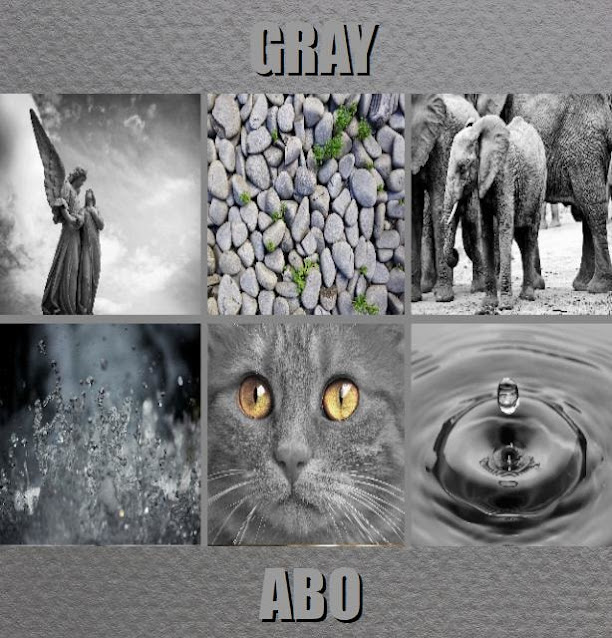
Complete Gray in Tagalog Guide – Table of Contents
What Is Gray?
Abo is the Tagalog word for the color gray. It refers to a neutral color that is a mixture of black (itim) and white (puti).
Grammatically, abo functions as an adjective. It can be used before a noun with the linker -ng (e.g., abong buhok) or as a predicate adjective (e.g., Abo ang ulap). When combined with kulay, it becomes kulay abo, meaning “color gray.”
Quick Facts
- Category: Adjective (color)
- Used For: Describing objects, animals, weather, clothing, hair
- Common Context: Clouds, fog, fashion, aging hair, neutral tones
- Related Root Word: Abo
Gray in Tagalog Vocabulary Words (Abo Word List)
Below is a related vocabulary chart connected to abo.
| # | English | Tagalog |
|---|---|---|
| 1 | Gray | Abo |
| 2 | Color | Kulay |
| 3 | Colors | Mga kulay |
| 4 | Cool/Calm | Mahinahon |
| 5 | Elegant | Elegante |
| 6 | Conservative | Konserbatibo |
| 7 | Quiet | Tahimik |
| 8 | Silence | Katahimikan |
| 9 | Wisdom | Katalinuhan |
| 10 | Balance | Balanse |
| 11 | Black | Itim |
| 12 | White | Puti |
| 13 | Cloud | Ulap |
| 14 | Fog | Hamog |
| 15 | Hair | Buhok |
| 16 | Elephant | Elepante |
| 17 | Cat | Pusa |
| 18 | Shirt | Kamiseta |
| 19 | Raincoat | Kapote |
| 20 | Sky | Langit |
Using Gray in Tagalog: Grammar and Examples
The word abo is commonly used to describe neutral-colored objects, weather conditions, and symbolic meanings.
1. Describing Objects
It is mainly used to describe the color of things.
Examples:
- Abo ang kotse.
- May abong pusa sa labas.
- Kulay abo ang sapatos niya.
This helps clearly describe neutral-colored items.
2. Talking About Weather
Gray is often associated with cloudy or foggy weather.
Examples:
- Kulay abo ang mga ulap.
- Abo ang langit bago umulan.
It helps describe natural scenes accurately.
3. Describing Hair and Age
Gray is commonly used when talking about aging hair.
For example, abong buhok refers to gray hair, often symbolizing wisdom.
4. Symbolism and Personality
Gray may represent calmness, balance, and conservatism.
Examples:
- Ang kulay abo ay simbolo ng balanse.
- Ang abo ay konserbatibong kulay.
It adds meaning beyond physical description.
5. Fashion and Style
Gray is often used in clothing for a simple and elegant look.
Examples:
- Nakasuot siya ng kulay abong kamiseta.
- Nagsuot siya ng abong kapote sa ulan.
It emphasizes simplicity and sophistication.
Importance and Practical Value of Gray
Learning abo improves descriptive vocabulary in Tagalog.
1. Communication Benefit
It helps describe weather, clothing, animals, and appearance clearly.
2. Cultural Relevance
Gray hair (abong buhok) is often associated with wisdom and respect for elders.
3. Learning Advantage
It expands your understanding of neutral and mixed colors.
4. Practical Everyday Use
Used when talking about clouds, fashion, animals, and aging.
5. Social or Emotional Impact
Gray can express calmness, maturity, and balance.
6. Professional or Academic Value
Useful in art discussions, writing, and descriptive language exercises.
How to Use Gray in Daily Life
You can use abo in many simple ways.
- Method 1: Describe cloudy skies or foggy mornings.
- Method 2: Talk about clothing colors.
- Method 3: Describe animals like elephants or cats.
- Method 4: Refer to gray hair respectfully.
- Method 5: Use it in art or design discussions.
Commonly Used Example Phrases in Tagalog
Below are commonly used sentences with abo.
- Gray is a mix of black and white.
Ang kulay abo ay kombinasyon ng itim at puti. - The cat is gray.
Abo ang pusa. - The clouds are gray.
Kulay abo ang mga ulap. - He is wearing a gray shirt.
Nakasuot siya ng kulay abong kamiseta. - The elephant is gray.
Kulay abo ang elepante. - Her hair is turning gray.
Nagiging abo ang kanyang buhok. - The fog looks gray.
Kulay abo ang hamog. - Gray is a calm color.
Ang abo ay mahinahong kulay. - He wore a gray raincoat.
Nagsuot siya ng kulay abong kapote. - The sky is gray today.
Abo ang langit ngayon.
Frequently Asked Questions (FAQ)
1. What is Gray in Tagalog?
Gray in Tagalog is abo.
2. What does Gray mean in English/Tagalog?
Abo means the color gray in English.
3. Is Gray formal or informal?
It is neutral and can be used in both formal and informal situations.
4. When should you use Gray?
Use abo when describing neutral-colored objects, cloudy skies, clothing, or hair.
5. How do you properly use Gray in a sentence?
Use abo before a noun with -ng (e.g., abong buhok) or as a predicate adjective (e.g., Abo ang ulap).
Conclusion: Mastering Gray in Tagalog (Abo)
Abo is the Tagalog word for gray and is widely used to describe weather, clothing, animals, and hair. It represents calmness, balance, and elegance in many contexts.
Learning how to use abo correctly strengthens your descriptive skills and expands your Filipino vocabulary. It is a practical and essential color word for everyday conversations.