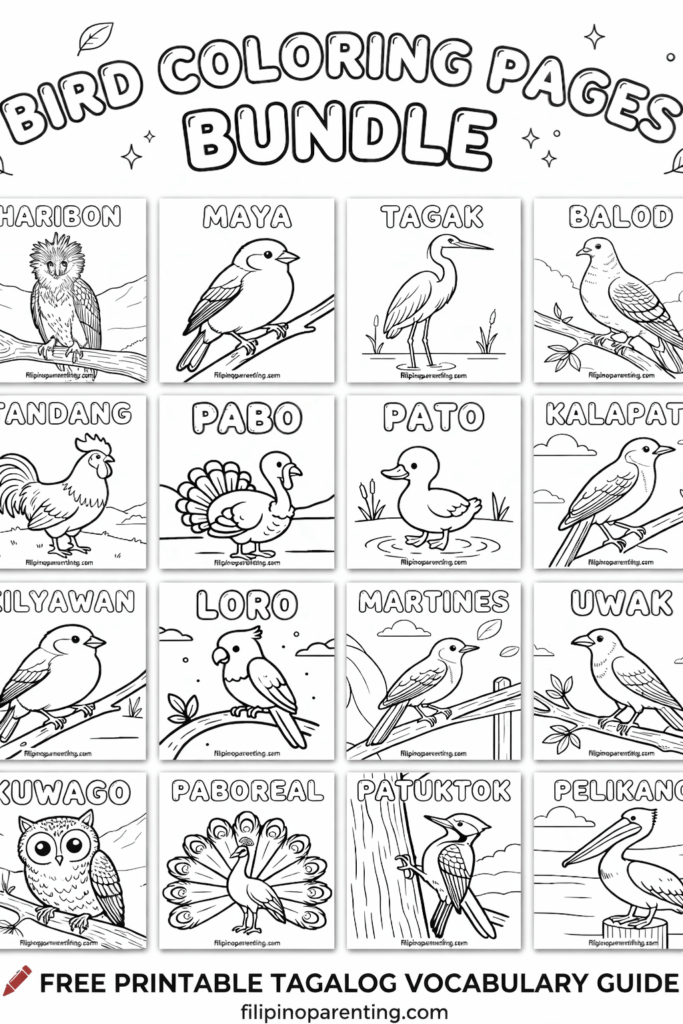
The Philippines is home to some of the most beautiful and unique birds in the world. From the majestic Haribon soaring over the rainforests to the humble Maya skipping along city fences, these creatures are a vibrant part of our daily life and folklore.
These free Philippine bird coloring pages offer high-quality, printable designs that celebrate our biodiversity while providing a relaxing pangkulay (coloring) activity for parents and adult learners. Whether you are practicing your Tagalog or looking for a screen-free way to connect with Filipino culture, these ibon coloring pages are the perfect addition to your collection.
Download our complete Bird Coloring Pages Bundle—a 16-page collection designed to help parents and the younger generation connect through Filipino heritage and Tagalog vocabulary.
Table of Contents
Why You’ll Love These Ibon Coloring Pages
In our Real-Talk parenting journey, we know that the younger generation learns best through hands-on engagement. These ibon coloring pages aren’t just simple sketches — they’re meaningful, culturally rooted learning tools designed to make Filipino language and heritage come alive.
Build Vocabulary Naturally
Each page features the bird’s Tagalog name in bold, easy-to-read letters. As children color, they’re strengthening their Filipino vocabulary at the same time. These ibon coloring pages turn pangkulay time into an effortless language lesson.
Celebrate Filipino Heritage
From the majestic Philippine Eagle (Haribon) to the vibrant Philippine Oriole (Kilyawan), these ibon coloring pages introduce birds that are deeply rooted in Pinoy identity. Learning about native wildlife helps children develop pride in their culture while appreciating the beauty of the Philippines.
Stress-Free, Screen-Free Learning
Perfect for quiet afternoons, homeschool activities, or Filipino cultural lessons, these ibon coloring pages provide a calm and creative way to connect with tradition. Just print, color, and learn — no pressure, no screens, just meaningful engagement.
If you’re looking for culturally rich and educational ibon coloring pages, this collection is a beautiful addition to your Filipino learning resources.
🦅 The Kings of the Sky: Philippine National Symbols
The birds in this category represent the strength, resilience, and spirit of the Filipino people. These iconic species are powerful symbols of national pride and are an important part of any meaningful collection of ibon coloring pages.
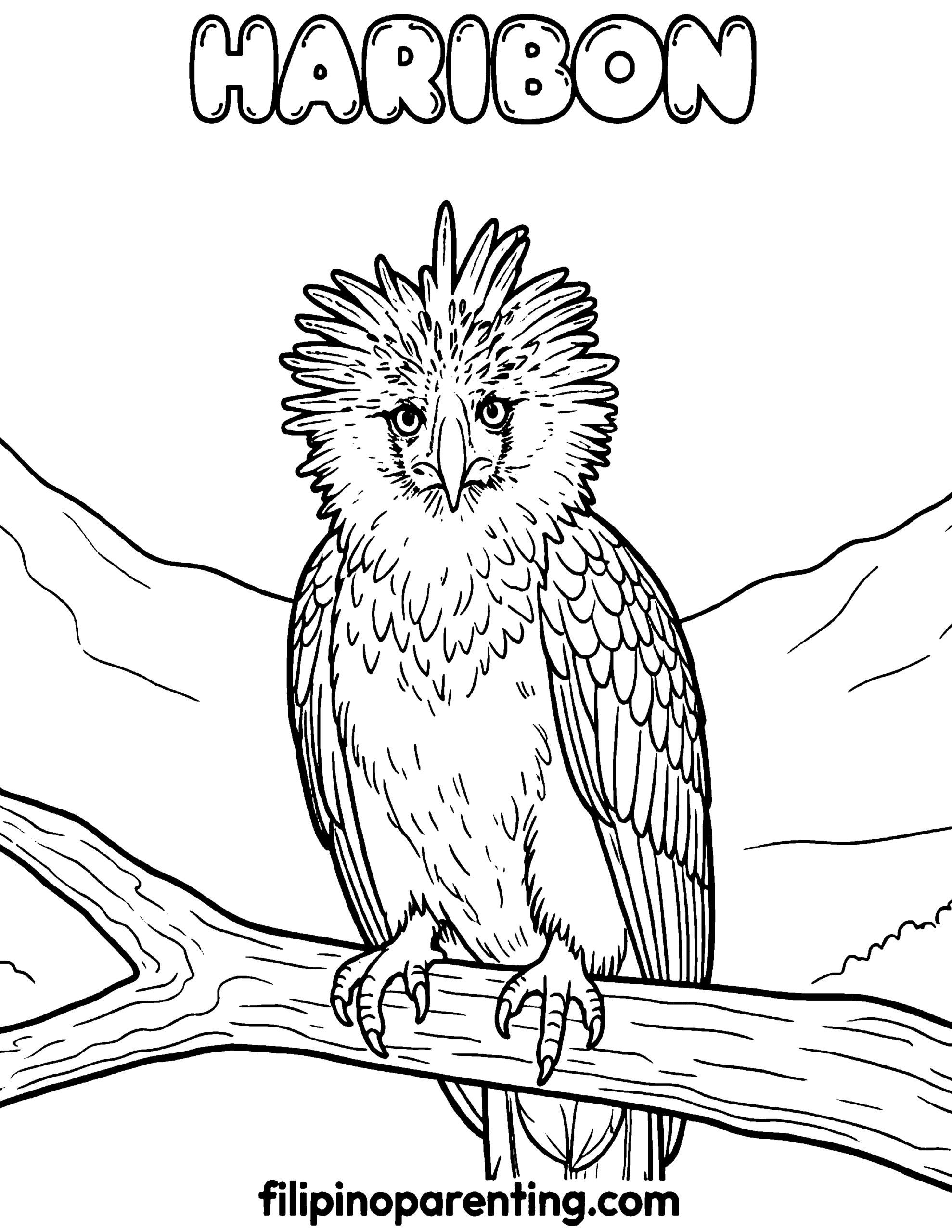
Haribon (Philippine Eagle)
The Philippine Eagle, locally known as the Haribon, is the National Bird of the Philippines and one of the largest and most powerful eagles in the world. Often called the “King of Birds,” it symbolizes the majesty and rich biodiversity of our tropical rainforests.
Including the Haribon in your ibon coloring pages collection gives children and learners the opportunity to discover an Endangered National Treasure while strengthening their Tagalog vocabulary. As they color, they connect not only with language, but with a deeper appreciation for Philippine wildlife and conservation.
Master Tagalog animal names with our printable series. This Haribon (Philippine Eagle) guide is perfect for parents providing culturally relevant activities for language learners.
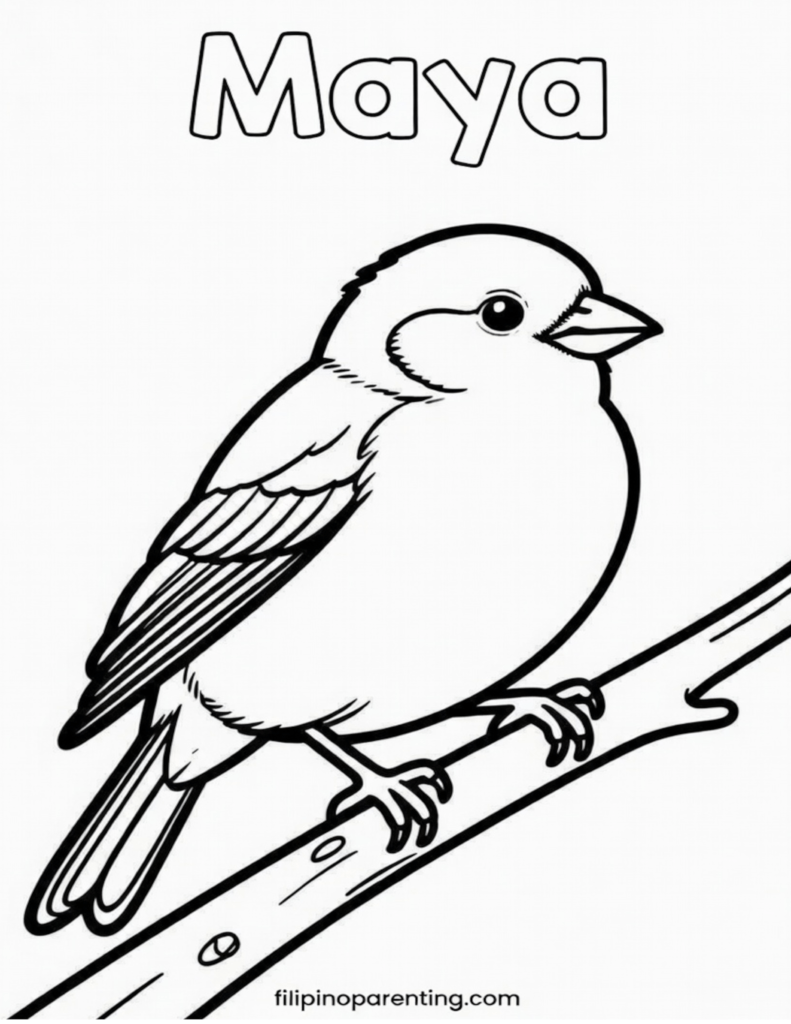
Maya (Eurasian Tree Sparrow)
The Eurasian Tree Sparrow, locally known as the Maya, was considered the national bird of the Philippines for decades before being officially replaced by the Philippine Eagle. Even today, the Maya remains a powerful symbol of resilience, adaptability, and everyday Filipino life.
Commonly seen perched on fences, rooftops, and city streets, the Maya represents the strength of ordinary people — small yet enduring. Including the Maya in your ibon coloring pages collection helps children connect with a bird they see in their daily surroundings while learning its Tagalog name and cultural significance.
Through these ibon coloring pages, learners don’t just color — they build vocabulary, cultural awareness, and pride in the birds that shape Filipino identity.
Master Tagalog animal names with our printable series. This Maya (Eurasian Tree Sparrow) guide is perfect for parents providing culturally relevant activities for language learners.
🐓 Sa Bukid: Familiar Birds of the Filipino Farm
Life in the probinsya wouldn’t be complete without the sounds of these familiar feathered friends. These everyday farm birds are part of Filipino childhood memories, early mornings, and festive gatherings.
Tagalog Name
English Name
Cultural Fact
Tandang
Rooster
The natural alarm clock of every Filipino village.
Pabo
Turkey
Often a centerpiece in festive Filipino gatherings.
Pato
Duck
The source of our famous balut and itlog na maalat.
Kalapati
Dove
A universal symbol of peace and a common sight in town plazas.
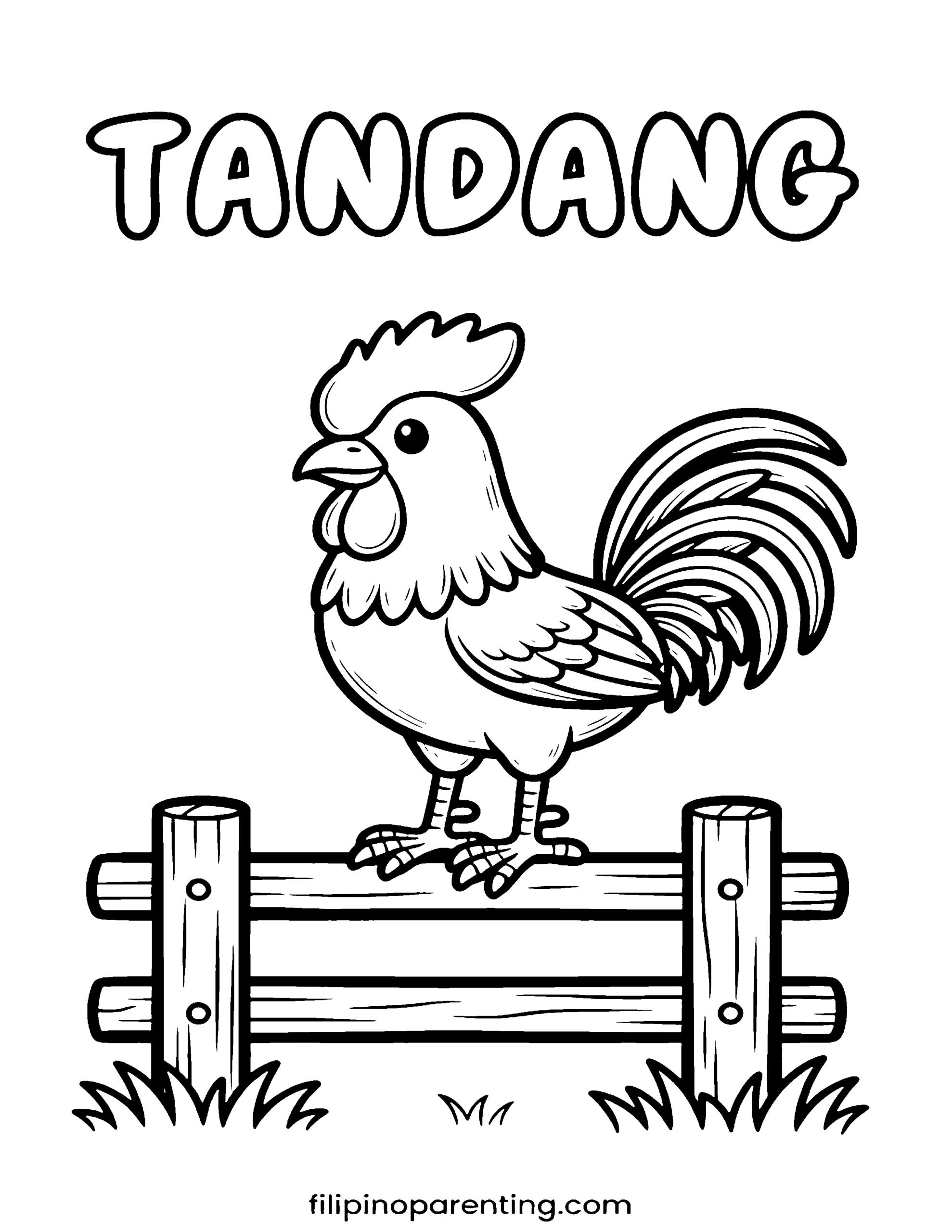
Including these farm favorites in your ibon coloring pages collection helps children connect language learning with real-life Filipino experiences. From the crow of the tandang at sunrise to the quacking of the pato by the rice fields, these birds make Tagalog vocabulary feel familiar, meaningful, and rooted in everyday culture.
As learners color each page, they’re not just practicing pangkulay — they’re strengthening cultural identity, storytelling, and appreciation for life in the Filipino countryside.
Master Tagalog animal names with our printable series. This Tandang (Rooster) guide is perfect for parents providing culturally relevant activities for language learners.
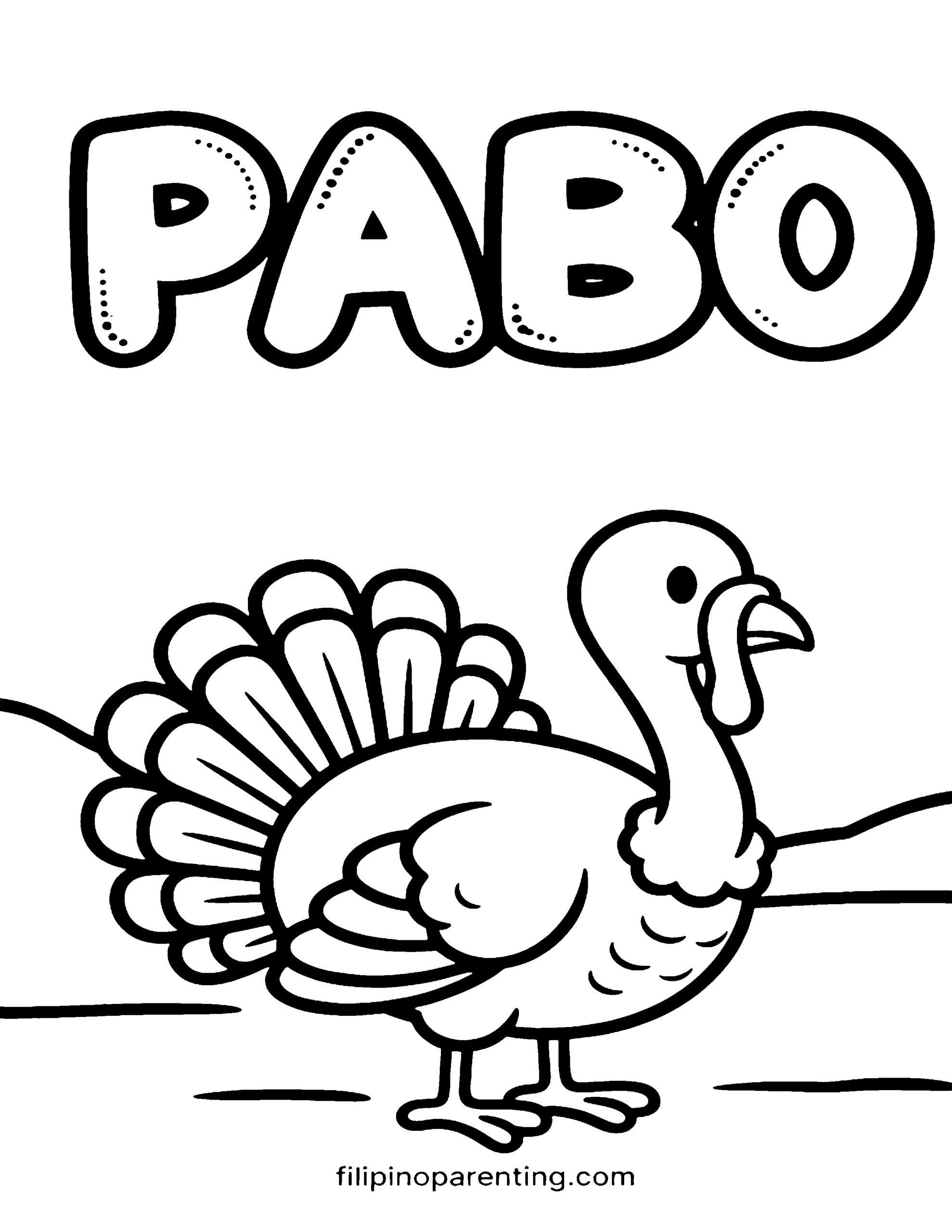
Pabo (Turkey)
The Turkey, known in Tagalog as the Pabo, is a familiar sight during special occasions and festive gatherings in many Filipino homes. Often served as a centerpiece dish during celebrations, the pabo represents abundance, hospitality, and togetherness.
Including the Pabo in your ibon coloring pages collection helps learners connect language with real cultural experiences. As children color the pabo’s wide feathers and proud stance, they reinforce their Tagalog vocabulary while understanding its role in Filipino traditions.
Through these ibon coloring pages, even farm birds like the pabo become meaningful tools for cultural storytelling and language development.
Master Tagalog animal names with our printable series. This Pabo (Turkey) guide is perfect for parents providing culturally relevant activities for language learners.
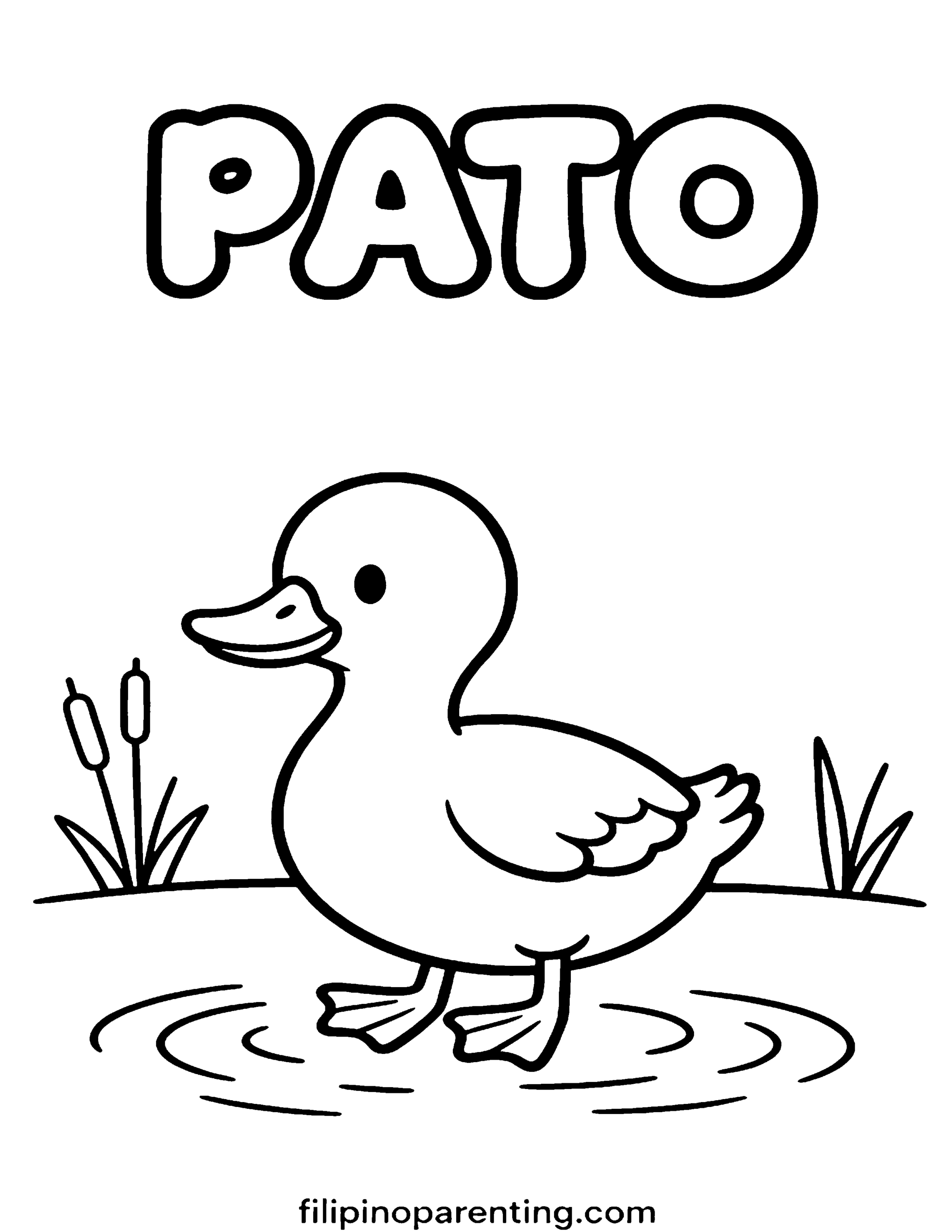
Pato (Duck)
The Duck, called Pato in Tagalog, is a staple of the Filipino countryside and a key part of traditional cuisine, famously linked to balut and itlog na maalat. Ducks are often seen waddling in rice fields or farm ponds, making them a familiar and beloved sight in everyday Filipino life.
Including the Pato in your ibon coloring pages collection allows children and learners to connect language with daily life in the Philippines. As they color the Pato, they practice Tagalog vocabulary while appreciating the role these birds play in Filipino culture, cuisine, and rural traditions.
These ibon coloring pages turn simple pangkulay activities into opportunities for cultural learning and meaningful storytelling.
Master Tagalog animal names with our printable series. This Pato (Duck) guide is perfect for parents providing culturally relevant activities for language learners.
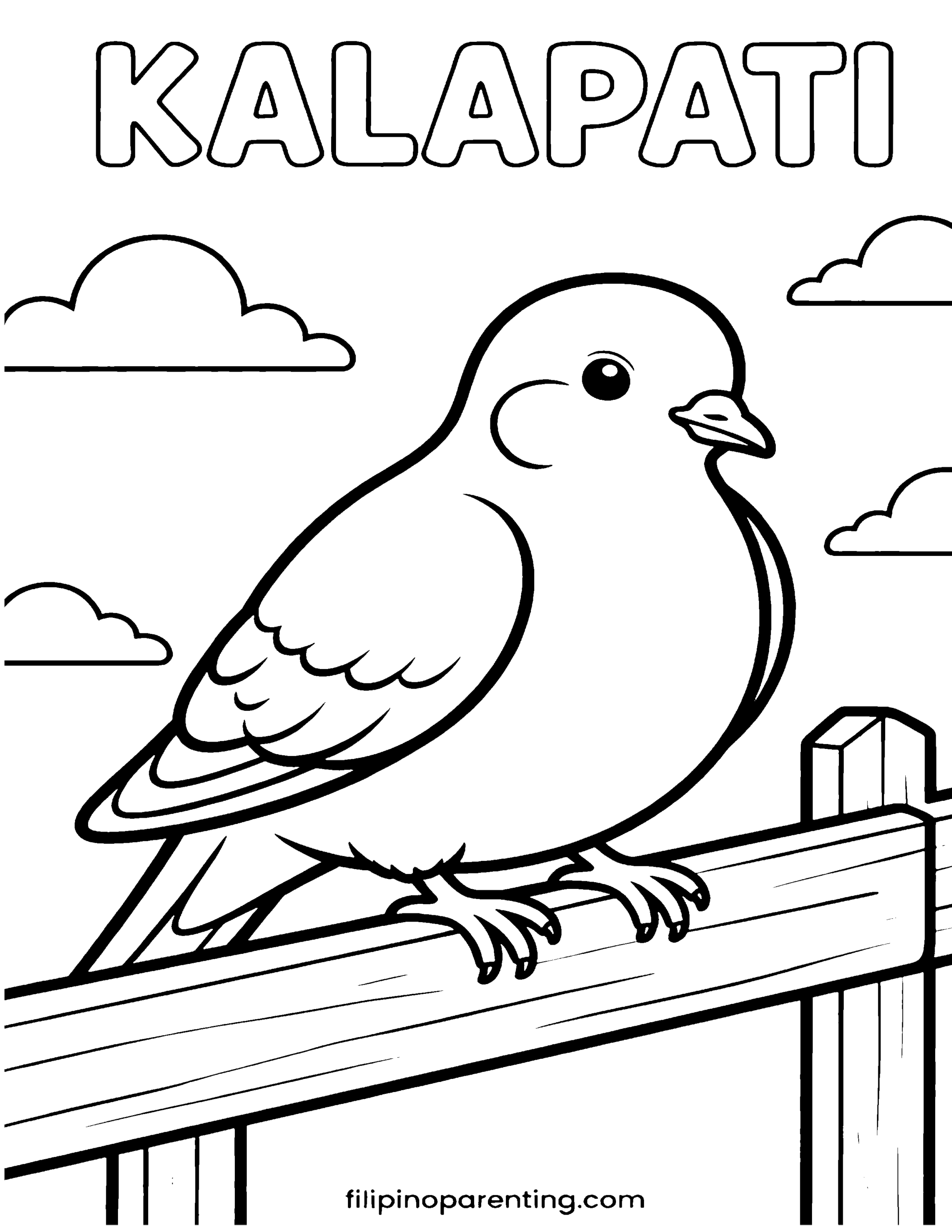
Kalapati (Dove)
The Dove, known as Kalapati in Tagalog, is a universal symbol of peace and love, often seen cooing softly in town plazas, gardens, and farms across the Philippines. Its gentle presence makes it a familiar and comforting bird in everyday Filipino life.
Including the Kalapati in your ibon coloring pages collection helps learners connect Tagalog vocabulary with cultural symbols. As children color the dove, they not only practice language skills but also learn about its role in Filipino traditions, from peaceful town squares to symbolic gestures in celebrations.
With Kalapati and other farm birds, these ibon coloring pages make language learning, culture, and creativity come together in a fun and meaningful way.
Master Tagalog animal names with our printable series. This Kalapati (Dove) guide is perfect for parents providing culturally relevant activities for language learners.
To keep your “Ultimate Guide” look clean and professional, removing the bullets makes the text feel more like a high-end cultural guide. Here is the revised section with your images integrated:
🎶 The Forest Choir: Philippine Songbirds and Forest Dwellers
These birds are celebrated for their vibrant colors and distinct calls that echo across the Philippine islands. Adding them to your ibon coloring pages collection introduces learners to the rich sounds and beauty of our native forests while strengthening Tagalog vocabulary.
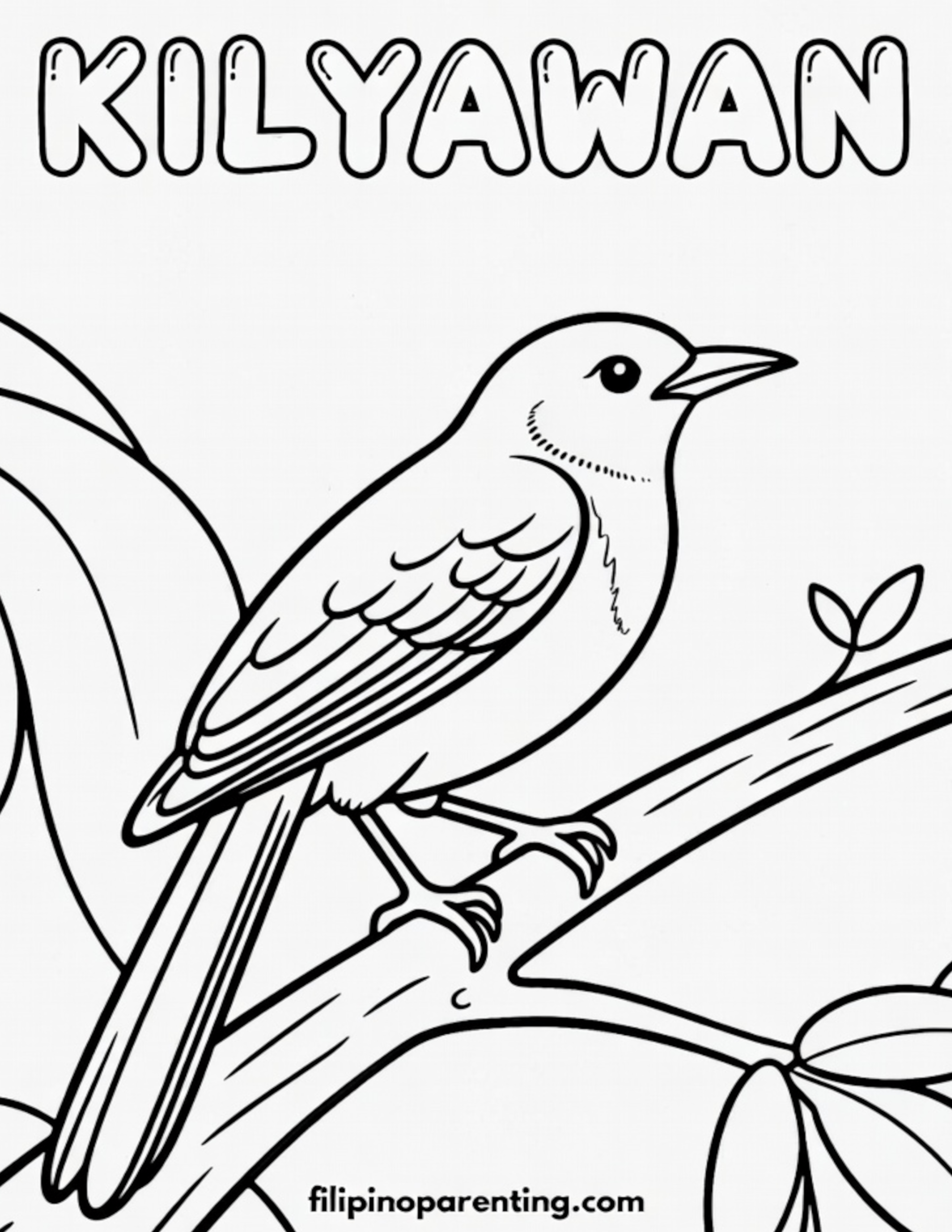
Kilyawan (Golden Oriole)
The Philippine Oriole, commonly known as the Kilyawan, is instantly recognizable for its brilliant yellow feathers and its clear, whistling “kilyaw” call. Often heard before it is seen, this forest songbird represents the lively rhythm of the Philippine countryside.
Including the Kilyawan in your ibon coloring pages allows children and adult learners to explore one of the country’s most colorful native birds while practicing pronunciation and cultural appreciation. As they color its striking plumage, they connect language learning with the natural music of the islands.
Master Tagalog animal names with our printable series. This Kilyawan (Golden Oriole) guide is perfect for parents providing culturally relevant activities for language learners.
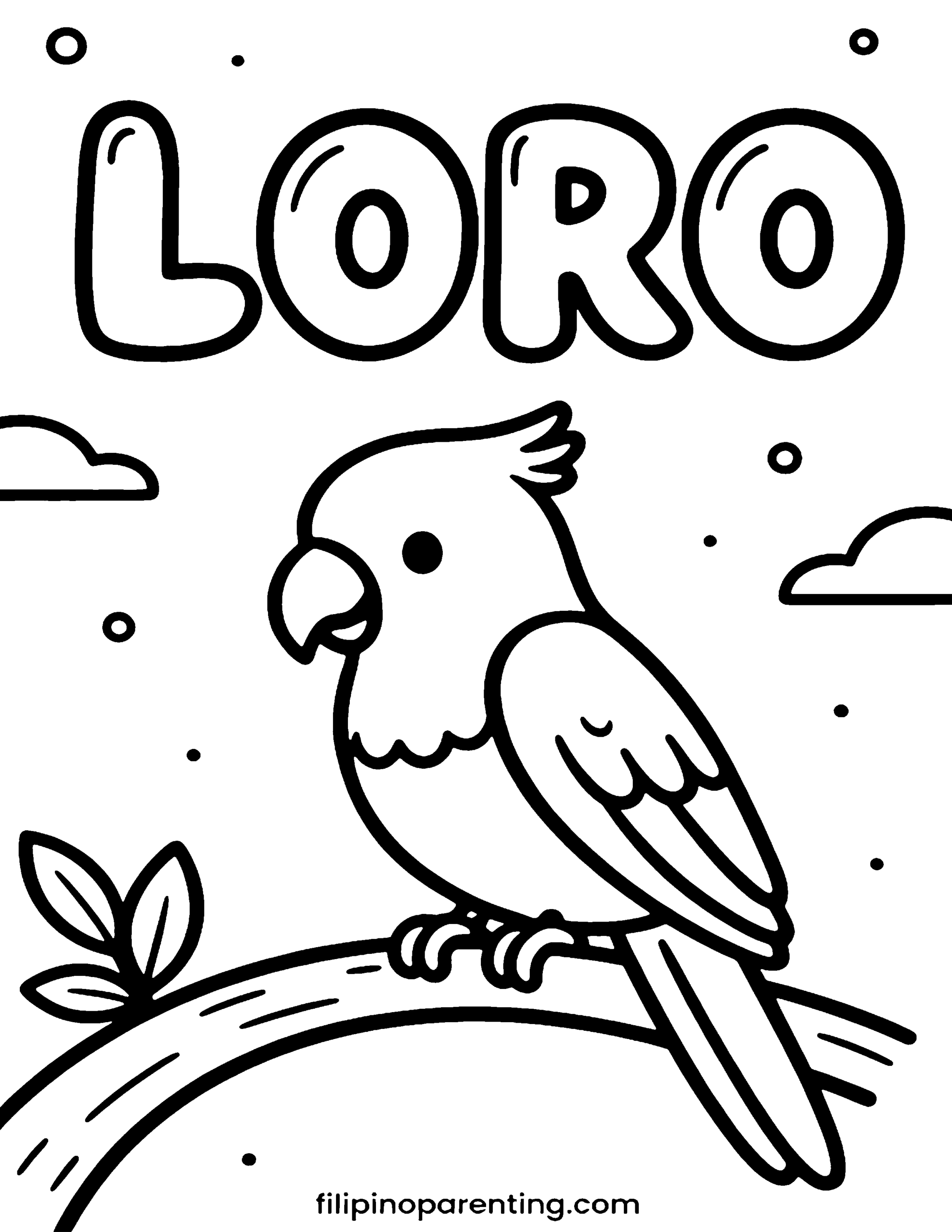
Loro (Parrot)
The Parrot, called Loro in Tagalog, is a vibrant and playful bird that showcases the tropical beauty of the Philippine islands. Known for its bright feathers and lively personality, the Loro is a favorite among children and bird enthusiasts alike.
Including the Loro in your ibon coloring pages collection allows learners to practice Tagalog vocabulary while exploring the stunning colors and characteristics of native wildlife. As children color each feather, they connect language learning with appreciation for the Philippines’ rich biodiversity and natural wonders.
These ibon coloring pages make cultural learning fun, interactive, and visually engaging, turning each coloring session into a memorable educational experience.
Master Tagalog animal names with our printable series. This Loro (Parrot) guide is perfect for parents providing culturally relevant activities for language learners.
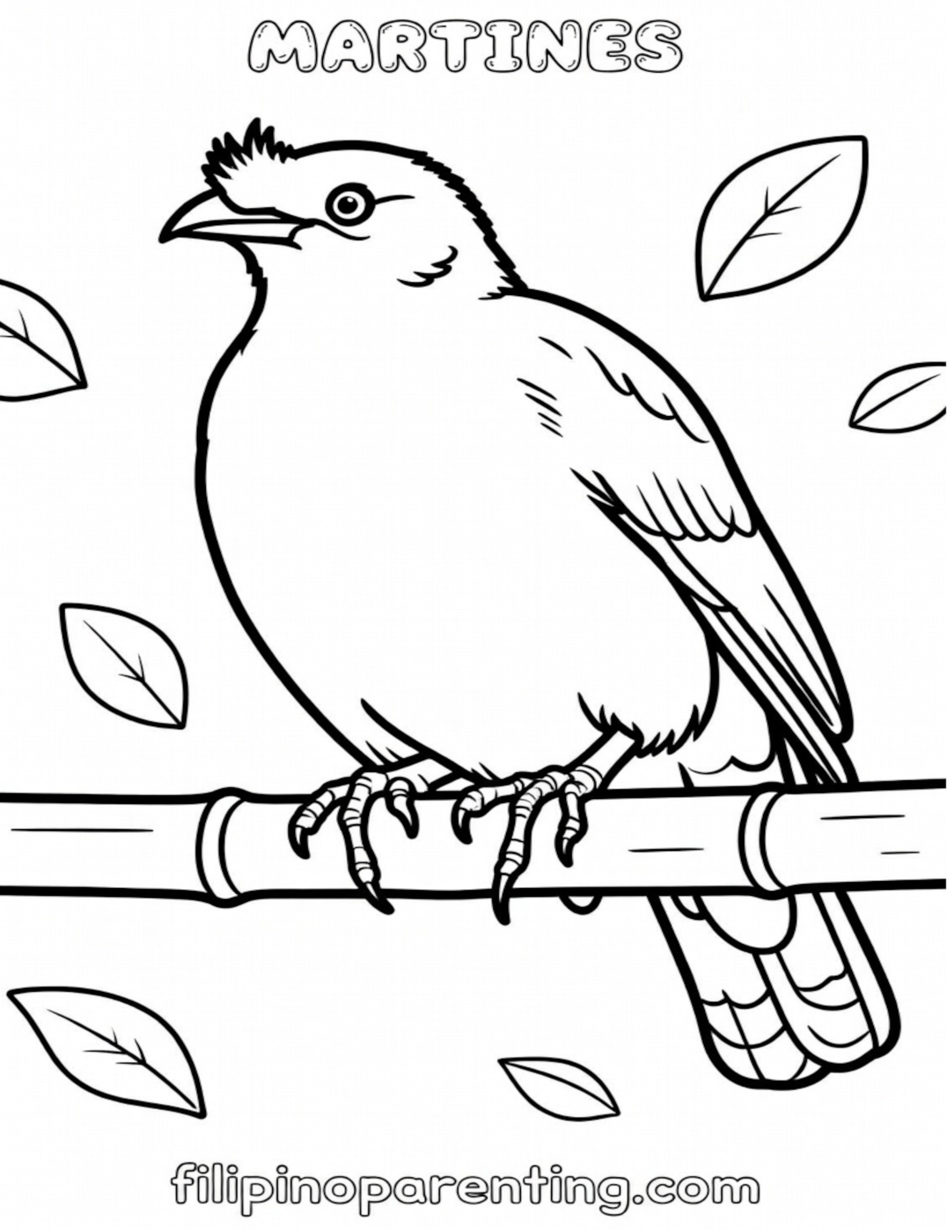
Martines (Common Myna)
The Common Myna, known as Martines in Tagalog, is famous for being madaldal (talkative) and can even mimic human speech. This clever and social bird is often seen in towns and villages, adding life and chatter to everyday Filipino streetscapes.
Including the Martines in your ibon coloring pages collection helps learners connect Tagalog vocabulary with real-life wildlife they might encounter daily. As children color its dark feathers and bright beak, they reinforce language skills while discovering the playful and curious nature of this Filipino bird.
With Martines and other forest and town birds, these ibon coloring pages turn pangkulay time into a rich, interactive cultural experience.
Master Tagalog animal names with our printable series. This Martines (Common Myna) guide is perfect for parents providing culturally relevant activities for language learners.
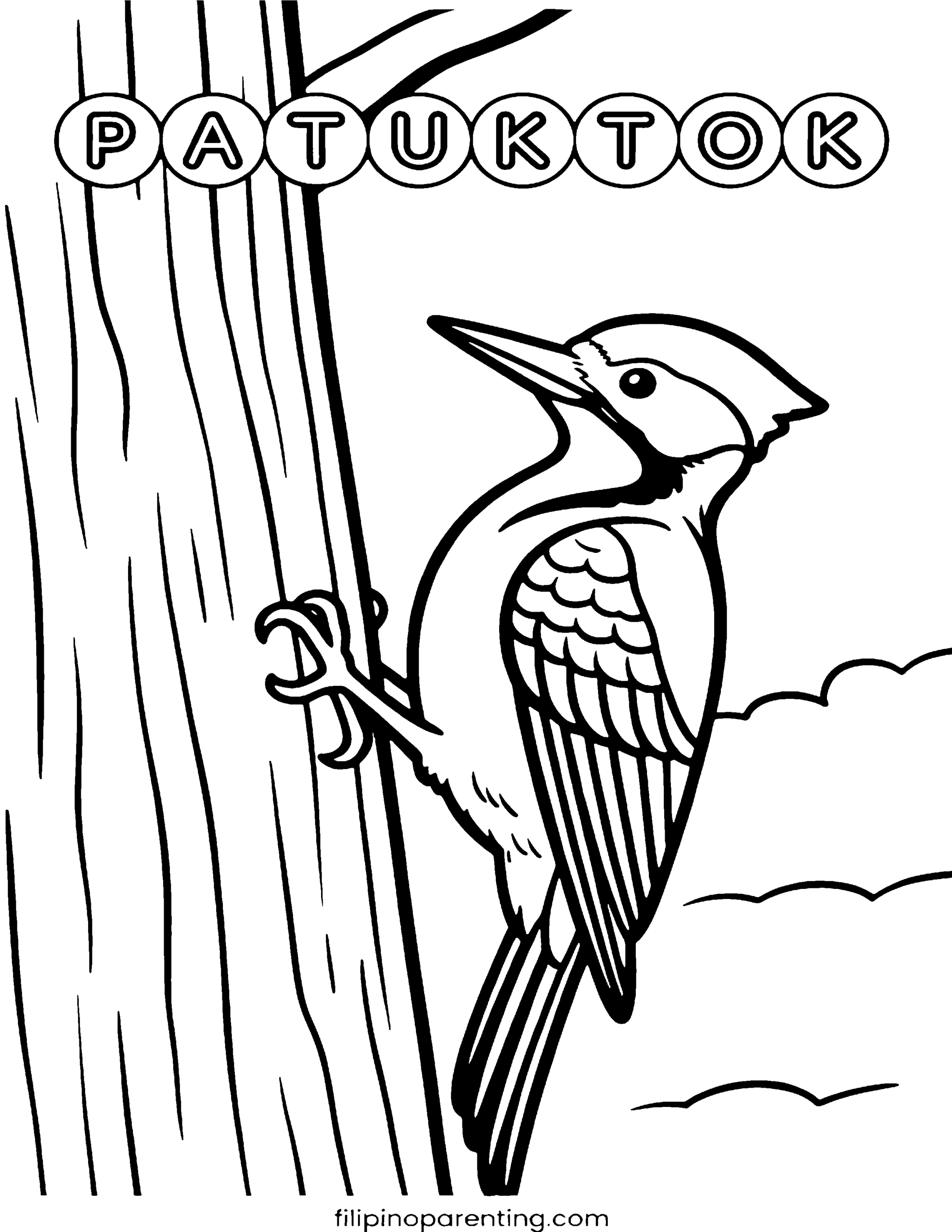
Patuktok (Woodpecker)
The Woodpecker, called Patuktok in Tagalog, gets its name from the sound it makes—tuktok, meaning to knock or tap. Often seen pecking at tree trunks in forests or backyard gardens, the Patuktok is a lively reminder of nature’s rhythms.
Adding the Patuktok to your ibon coloring pages collection allows learners to connect Tagalog vocabulary with the sounds and habits of Philippine wildlife. As children color this energetic bird, they practice language, observe nature, and explore cultural storytelling tied to forest life.
These ibon coloring pages make pangkulay more than an art activity—they transform it into an educational journey through the forests and sounds of the Philippines.
Master Tagalog animal names with our printable series. This Patuktok (Woodpecker) guide is perfect for parents providing culturally relevant activities for language learners.
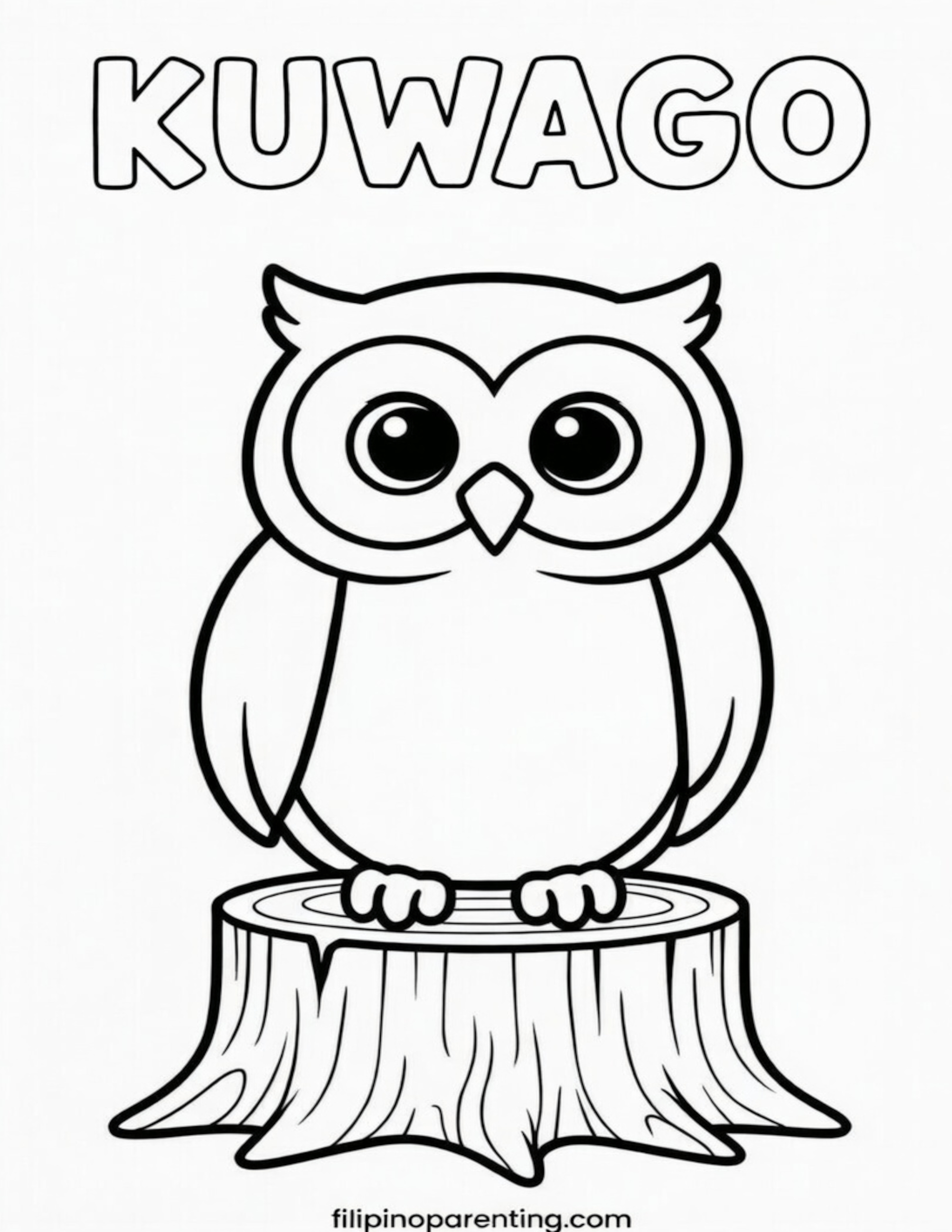
Kuwago (Owl)
The Owl, known as Kuwago in Tagalog, is often associated with wisdom, mystery, and folklore in Filipino culture. Seen perched silently at night, the Kuwago sparks curiosity and storytelling, making it a fascinating bird for learners of all ages.
Including the Kuwago in your ibon coloring pages collection helps children connect Tagalog vocabulary with cultural symbols and traditional stories. As they color its distinctive eyes and feathers, they practice language while exploring the myths and mysteries that surround this nocturnal bird.
Through these ibon coloring pages, the Kuwago brings a sense of wonder, imagination, and cultural learning into every coloring session.
Master Tagalog animal names with our printable series. This Kuwago (Owl) guide is perfect for parents providing culturally relevant activities for language learners.
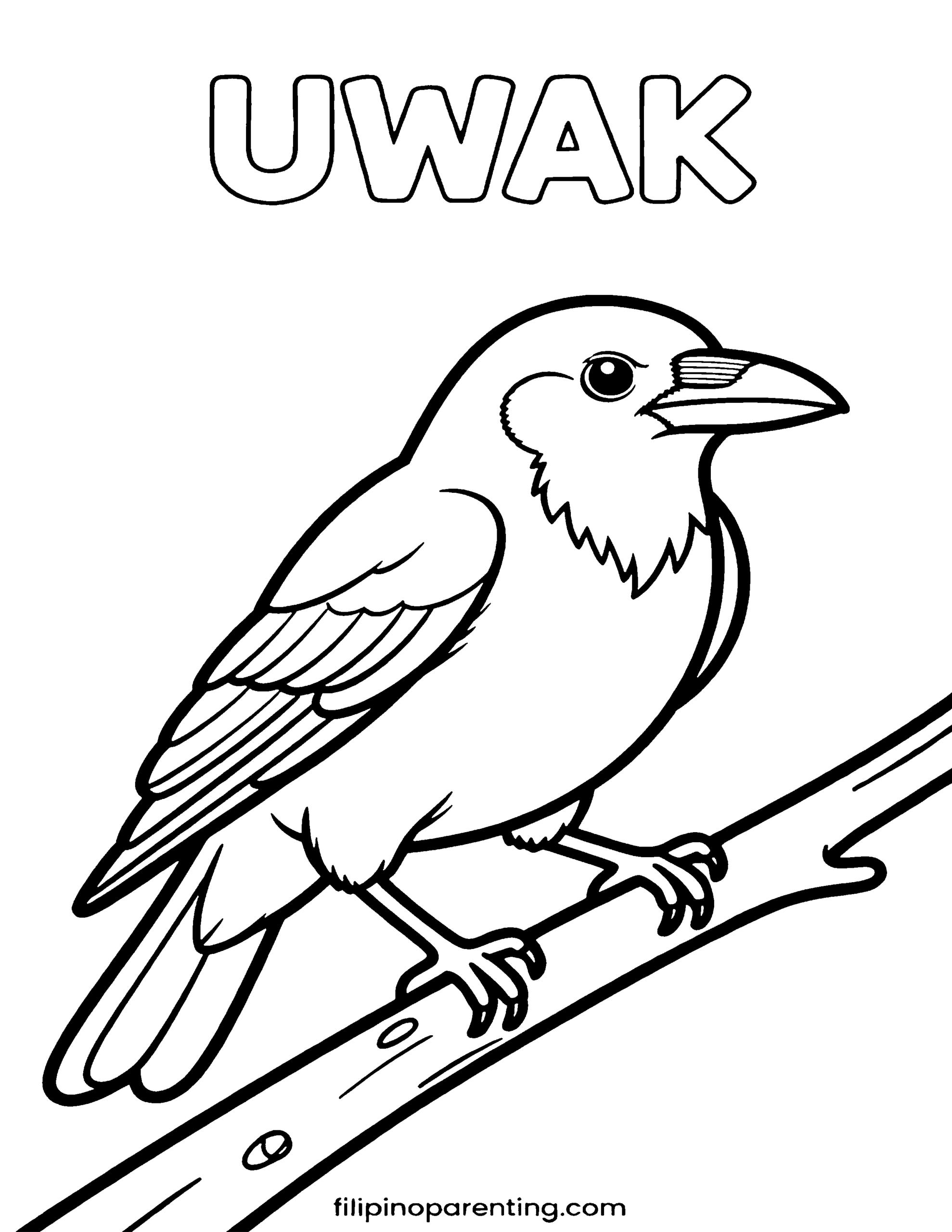
Uwak (Crow)
The Crow, called Uwak in Tagalog, is a clever and resourceful bird that appears frequently in traditional Filipino myths and folktales. Known for its intelligence and adaptability, the Uwak often symbolizes wisdom, cunning, and mystery in Pinoy culture.
Including the Uwak in your ibon coloring pages collection allows learners to connect Tagalog vocabulary with cultural stories and symbolism. As children color its sleek black feathers, they practice language while discovering the rich folklore surrounding this intriguing bird.
These ibon coloring pages turn coloring time into an engaging cultural lesson, blending creativity, language, and Filipino storytelling.
The Uwak (Crow) is often seen as a symbol of intelligence and mystery in Filipino folklore.
🌊 Near the Water: Egrets and Water Birds
From rice paddies to coastal shores, these birds are essential to the Philippine ecosystem.
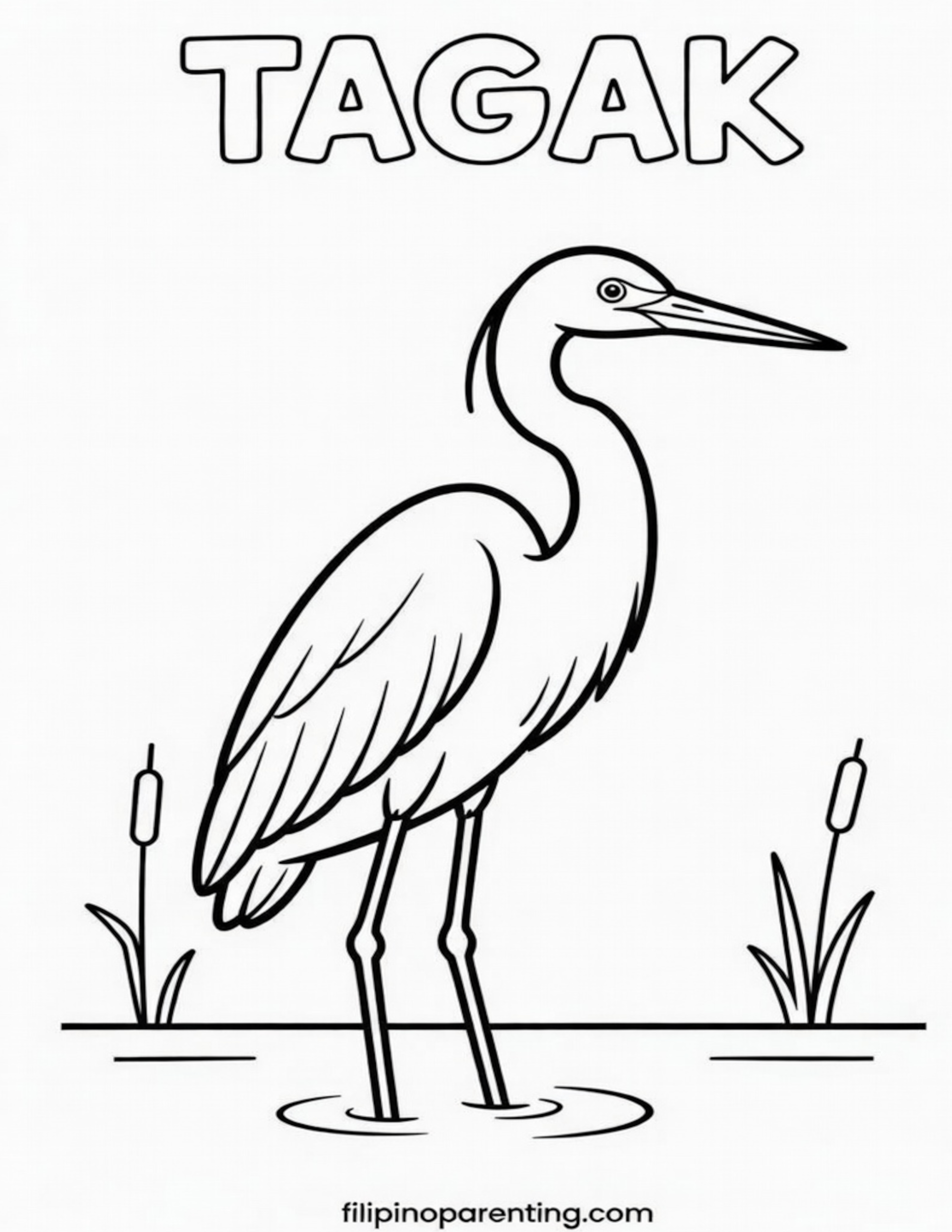
Tagak (Egret)
The “best friend” of the Kalabaw. You will often see them resting on a carabao’s back in the rice fields.
Real-Talk Tip: If you’re teaching the younger generation about farming, don’t forget to check out our 9 Free Kalabaw Coloring Pages to complete the scene!
Master Tagalog animal names with our printable series. This Tagak (Egret) guide is perfect for parents providing culturally relevant activities for language learners.
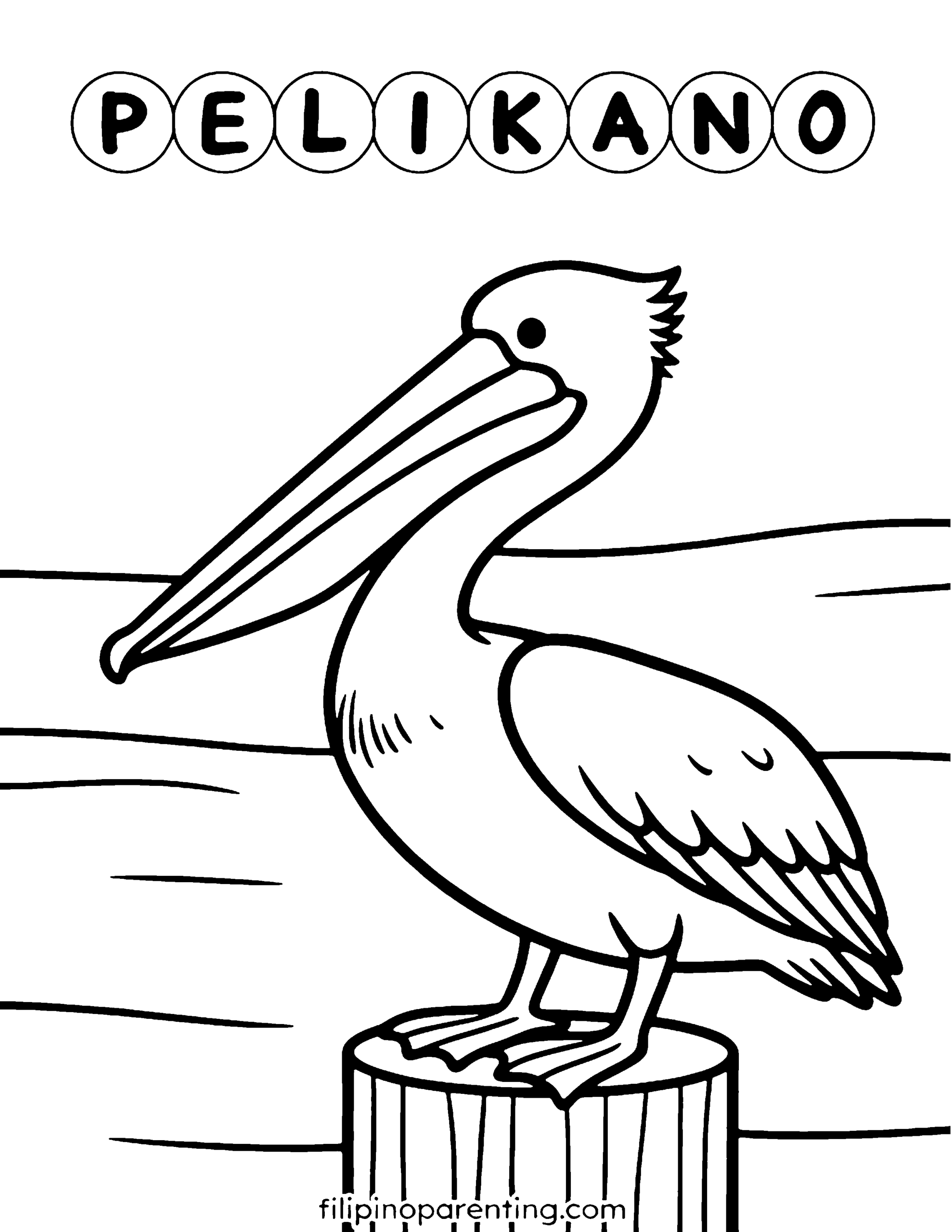
Pelikano (Pelican)
The Pelican, known as Pelikano in Tagalog, is a majestic coastal bird often seen gliding gracefully over the Philippine seas. With its large bill and distinctive silhouette, the Pelikano symbolizes patience, teamwork, and the harmony of coastal ecosystems.
Adding the Pelikano to your ibon coloring pages collection allows learners to connect Tagalog vocabulary with the stunning wildlife of the Philippines’ shorelines. As children color its unique features, they engage in language practice while exploring the beauty and ecological importance of coastal birds.
These ibon coloring pages make coloring both educational and culturally meaningful, connecting learners to the natural wonders of the islands.
Master Tagalog animal names with our printable series. This Pelikano (Pelican) guide is perfect for parents providing culturally relevant activities for language learners.
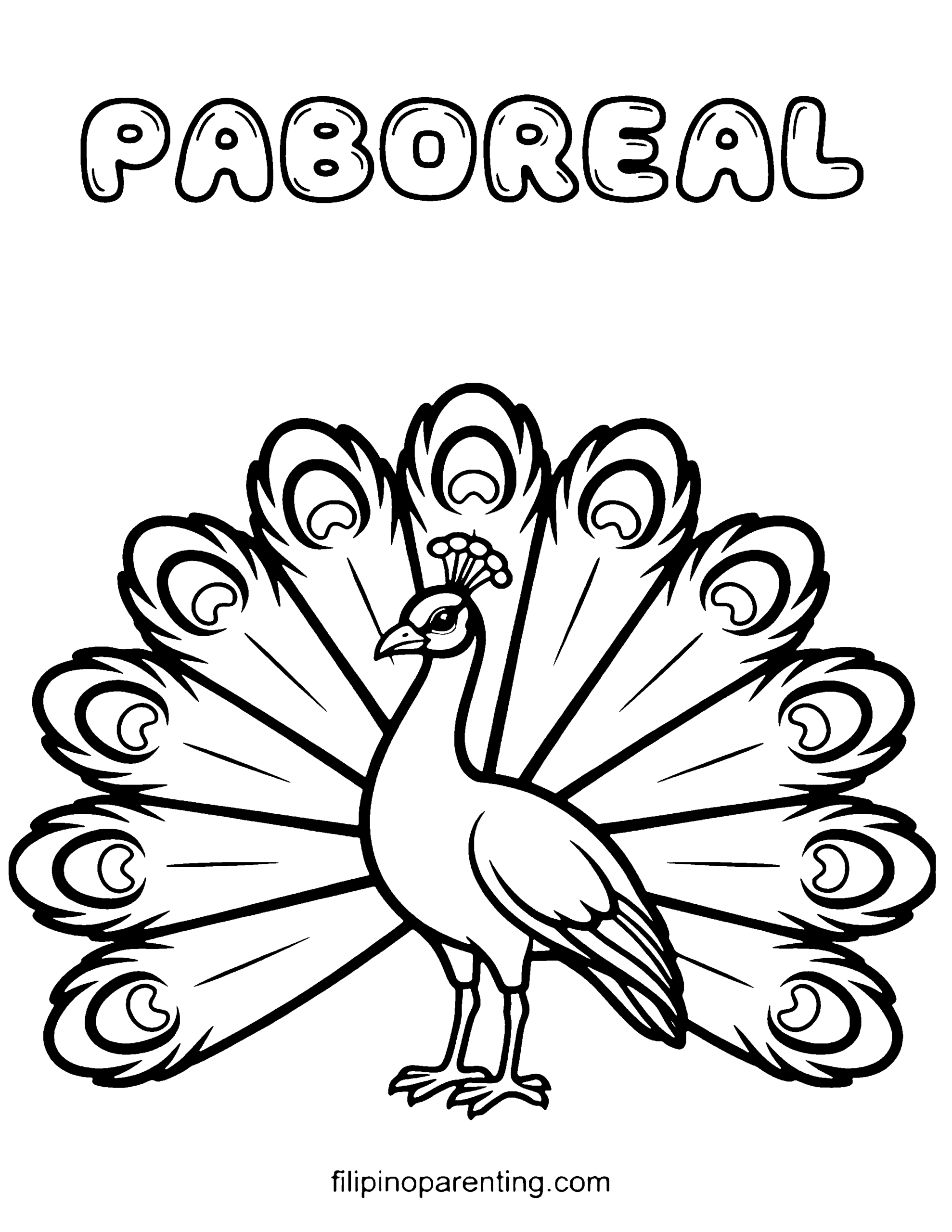
Paboreal (Peacock)
The Peacock, called Paboreal in Tagalog, is a rare and striking bird whose “royal” name, pavo real, reflects the Philippines’ Spanish linguistic heritage. Known for its vibrant, iridescent tail feathers, the Paboreal symbolizes beauty, elegance, and cultural history.
Including the Paboreal in your ibon coloring pages collection lets learners explore Tagalog vocabulary while appreciating the artistic and historical significance of this magnificent bird. As children color its brilliant plumage, they combine creativity with cultural learning, connecting language to visual storytelling.
These ibon coloring pages turn every coloring session into an opportunity to celebrate Philippine biodiversity and heritage.
Master Tagalog animal names with our printable series. This Paboreal (Peacock) guide is perfect for parents providing culturally relevant activities for language learners.
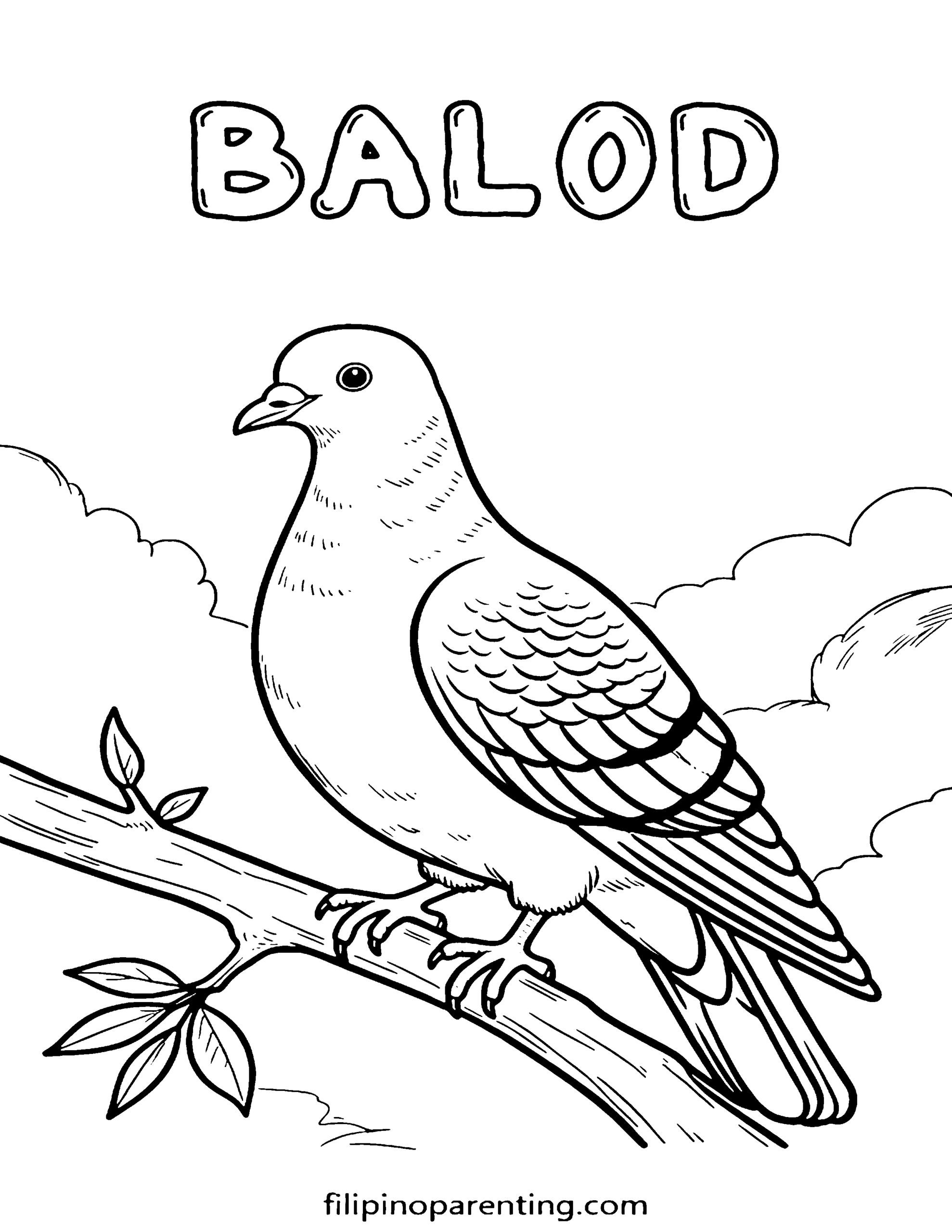
Balod (Wild Pigeon)
The Wild Pigeon, known as Balod in Tagalog, is a native forest pigeon admired for its sturdy build and beautiful plumage. Often seen in wooded areas and rural landscapes, the Balod represents resilience and the quiet beauty of Philippine forests.
Adding the Balod to your ibon coloring pages collection helps learners connect Tagalog vocabulary with native wildlife they might encounter in nature. As children color its graceful feathers, they practice language skills while developing an appreciation for the Philippines’ rich biodiversity.
These ibon coloring pages make pangkulay a fun, educational, and culturally meaningful activity that brings Filipino wildlife to life.
Master Tagalog animal names with our printable series. This Balod (Wild Pigeon) guide is perfect for parents providing culturally relevant activities for language learners.
Mga Salitang Tagalog na Kaugnay ng Ibon
Use this chart to master your bird-related vocabulary while you color. Practice these words with your beginners to make the lesson stick!
Tagalog
English
Ibon
Bird
Pakpak
Wings
Buntot
Tail
Tuka
Beak
Pugad
Nest
Lumipad
To Fly
Huni
Bird Chirp/Song
How to Use These Filipino Bird Coloring Pages
At FilipinoParenting.com, we love multi-purpose resources. Here is how to make the most of your printables:
Nature Journaling: Print the Haribon or Tagak and have learners write three facts about their habitat on the back.
Flashcards: Scale down the images to create bilingual bird flashcards.
Wall Art: Frame the Paboreal or Kilyawan once colored to brighten up a home office.
Build Your Filipino Cultural Library
If you loved these Philippine bird coloring pages, don’t stop here! Continue your journey into our heritage by exploring our other guides:
To provide the best experiences, we use technologies like cookies to store and/or access device information. Consenting to these technologies will allow us to process data such as browsing behavior or unique IDs on this site. Not consenting or withdrawing consent, may adversely affect certain features and functions.
Functional
Always active
The technical storage or access is strictly necessary for the legitimate purpose of enabling the use of a specific service explicitly requested by the subscriber or user, or for the sole purpose of carrying out the transmission of a communication over an electronic communications network.
Preferences
The technical storage or access is necessary for the legitimate purpose of storing preferences that are not requested by the subscriber or user.
Statistics
The technical storage or access that is used exclusively for statistical purposes.The technical storage or access that is used exclusively for anonymous statistical purposes. Without a subpoena, voluntary compliance on the part of your Internet Service Provider, or additional records from a third party, information stored or retrieved for this purpose alone cannot usually be used to identify you.
Marketing
The technical storage or access is required to create user profiles to send advertising, or to track the user on a website or across several websites for similar marketing purposes.