Classic Tagalog Salawikain Life Human Nature are the foundational stones of the Filipino psyche, offering a “Real-Talk” mirror to our collective character and the inevitable cycles of the world. In our culture, a “salawikain” (proverb) isn’t just a catchy phrase; it is an ancestral download of survival, ethics, and “tibay ng loob” (inner strength). For adults and the younger generation, these linguistic treasures act as a bridge to a time when wisdom was measured by one’s observation of the natural world and the complexities of the human heart. These reflections prove that while technology and lifestyles evolve, the fundamental “pagkatao” (character) of a person remains as predictable as the tides.
When we lean into Classic Tagalog Salawikain Life Human Nature, we are reclaiming a sense of “dangal” (honor) that is often lost in the modern “hustle.” These proverbs teach us that life is a delicate balance of “sipag” (hard work) and “pagpapakumbaba” (humility). By studying these ancestral truths, we find inner peace in the face of adversity and a deeper understanding of self-discovery and growth. They remind us that our roots are deep and that the lalim ng Pinoy experience is rooted in a reality that is both harsh and beautiful.

Table of Contents
The Ancestral Echo: Classic Tagalog Salawikain Life Human Nature
Wisdom is the ability to see the harvest within the seed and the character within the silence.

- “Ang hindi lumingon sa pinanggalingan, hindi makakarating sa paroroonan.” (He who does not look back at where he came from will not reach his destination.) This is perhaps the most famous Tagalog proverb for heritage.

- “Habang maikli ang kumot, matutong mamaluktot.” (While the blanket is short, learn to bend.) A “Real-Talk” reminder about inner resilience and adapting to one’s circumstances.
Observing the Soul: Classic Tagalog Salawikain Life Human Nature
As you navigate the social and professional landscapes of this year, let these Classic Tagalog Salawikain Life Human Nature serve as your cultural compass.

- “Ang lumalakad nang matulin, kung matinik ay malalim.” (He who walks fast, when pricked by a thorn, it goes in deep.) This warns against the dangers of the modern “hustle” without intentional rest.

- “Walang mapait na tutong sa taong nagugutom.” (There is no bitter burnt rice to a hungry person.) A raw reflection on human necessity and the drive for success and hard work.
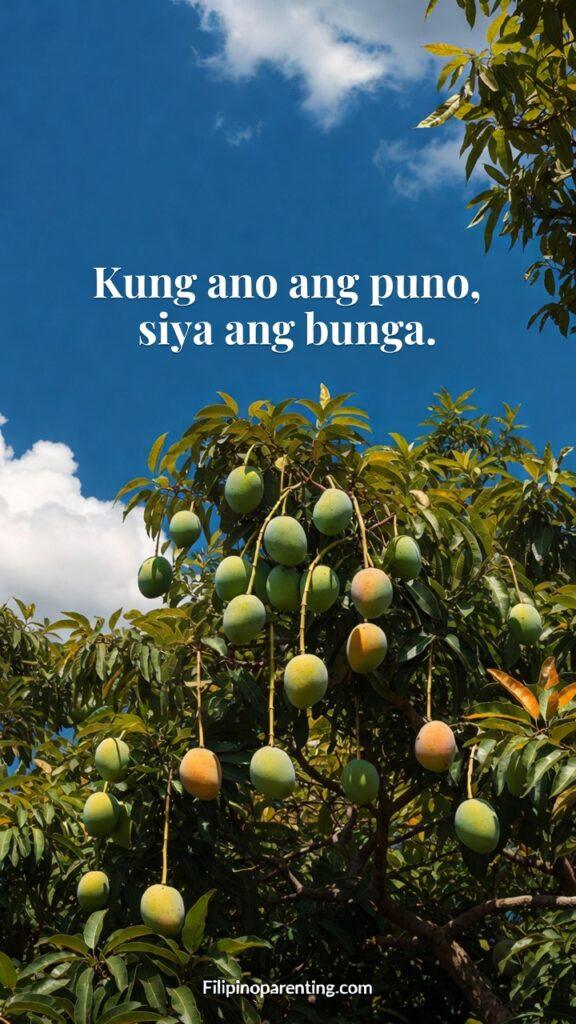
- “Kung ano ang puno, siya ang bunga.” (Whatever the tree is, so is the fruit.) A timeless observation on lineage, influence, and self-worth and pride.
Why Classic Tagalog Salawikain Life Human Nature Matter Today
These Classic Tagalog Salawikain Life Human Nature resonate because they strip away the superficial layers of modern life to reveal the “katotohanan” (truth) underneath. For parents and learners, these proverbs are essential for maintaining our cultural identity. We understand that “biyaya” (grace) is often found in the simplest of lessons. When we live by these truths, we find the courage to face new chapters with the wisdom of those who walked before us.
As you reflect on these sayings, consider how they apply to your current “lalim.” You can find more academic studies on Filipino folklore at The National Commission for Culture and the Arts or explore the Biblical parallels of wisdom at BibleGateway. Your journey is part of a much larger story, one that began long before you and will continue through the younger generation.